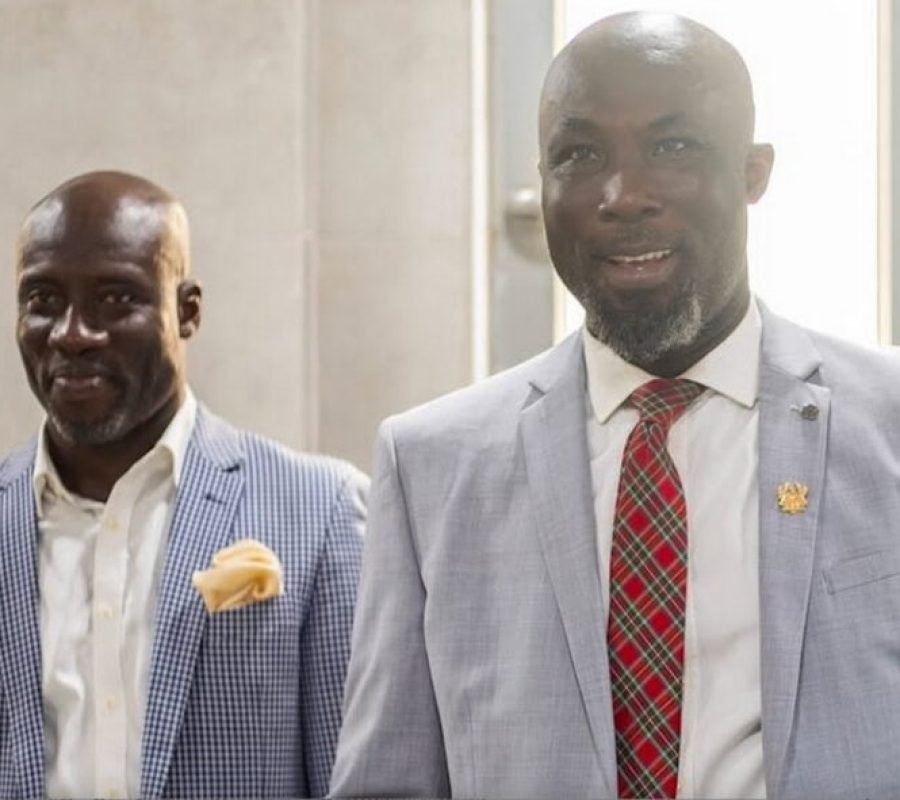
Edem Agbana Welcomes $300m World Bank Support for Secondary Education Reform

Eric Edem Agbana, the Member of Parliament for Ketu North and a member of the Parliamentary Select Committee on Education, has welcomed the World Bank’s approval of a $300 million facility to overhaul Ghana’s secondary education system, calling it a significant opportunity to address long-standing infrastructure deficits in the country’s schools.
The funding, disbursed under the Secondary Education Reform and Resilience Project — known as STARR-J — is specifically designed to upgrade Category B and Category C senior high schools across Ghana, which have borne the brunt of overcrowding, inadequate dormitory accommodation, and limited laboratory facilities since the expansion of the Free Senior High School programme.
“This intervention presents a real opportunity to address the infrastructure deficits that continue to affect many of our Category B and Category C schools,” Mr Agbana said. “If implemented effectively, it will leave a lasting impact on educational outcomes and national development.”
The STARR-J project has a broader objective: phasing out the controversial double-track system by 2027. Introduced as a stopgap measure when the Free SHS policy overwhelmed existing school capacity, the system has been widely criticised for reducing contact hours between teachers and students. The $300 million package is intended to build enough infrastructure — classrooms, dormitories, laboratories — to make the double-track arrangement obsolete.
The World Bank’s approval of the $300 million package was announced earlier this month, and Mr Agbana’s response signals that parliamentary oversight of the project’s implementation will be active and engaged.
The Ketu North MP commended Minister for Education Haruna Iddrisu and his team for their role in securing the investment, and praised the World Bank and all stakeholders who contributed to bringing the project to fruition.
Four senior high schools in the Ketu North Constituency have been identified as priority beneficiaries under the project, and Mr Agbana pledged to monitor the rollout closely to ensure that the promised improvements materialise on the ground.
Beyond infrastructure, the MP framed the investment as a statement of intent about the country’s commitment to its young people. “Beyond infrastructure, this investment represents a commitment to quality, equity and the future of Ghana’s young people,” he said.
The STARR-J project arrives at a critical juncture for Ghana’s education sector. The Free SHS policy, launched in 2017, dramatically expanded access to secondary education but placed enormous strain on existing facilities. Schools that were built for a few hundred students now accommodate thousands, and the quality of teaching and learning has suffered as a result.
If the infrastructure upgrades proceed as planned, the phase-out of the double-track system could restore a more coherent academic calendar and improve the overall learning experience for hundreds of thousands of students nationwide.
Image Source: MYJOYONLINE