Bank of Ghana Pauses MMFL's Proposed Wallet-to-Bank Transfer Fee
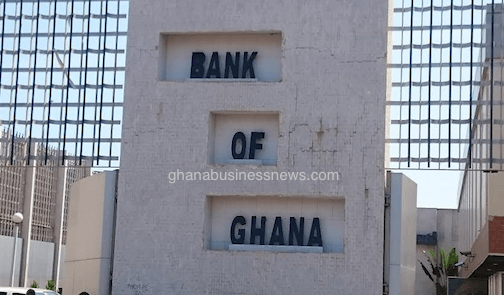
The Bank of Ghana has intervened to halt the implementation of a controversial 0.75 per cent fee on mobile money wallet-to-bank transfers, directing Mobile Money Fintech Limited to pause the charge that had been scheduled to take effect on June 1.
The central bank’s move, announced in a statement issued in Accra on Tuesday, came just four days after MMFL circulated a notice to customers informing them of the new fee, capped at GH₢5, on all direct wallet-to-bank transfers. The Bank of Ghana said it had asked MMFL to hold off to allow for further consultations, framing the decision as part of its commitment to ensuring that changes to charges in the mobile financial services ecosystem are introduced fairly, protect consumers, and support their financial wellbeing.
The proposed fee had drawn immediate and sharp criticism from industry observers, consumer advocates, and digital finance experts, who warned it could undermine the interoperability gains that Ghana’s mobile money ecosystem has made in recent years. Mobile money has become the backbone of financial inclusion in a country where millions of Ghanaians rely on digital wallets for everyday transactions — from paying school fees to settling utility bills and receiving remittances.
The timing of the proposed charge was particularly sensitive. Ghana’s digital payments landscape has been expanding rapidly, driven by regulatory reforms and a growing appetite for cashless transactions. A fee on wallet-to-bank transfers — the mechanism by which users move money from their mobile wallets into traditional bank accounts — risked creating a friction point at precisely the moment the industry was trying to reduce barriers.
MMFL had justified the fee by telling customers it was necessary to “continue to serve customers better,” a framing that did little to mollify critics. The proposed 0.75 per cent charge had already drawn sharp criticism over financial inclusion concerns, with industry voices arguing that the fee disproportionately affects lower-income users who depend on mobile money as their primary financial tool.
The Bank of Ghana’s decision to step in reflects a broader regulatory philosophy that has characterised the central bank’s approach to mobile financial services: encouraging innovation and market expansion while maintaining oversight to prevent practices that could exclude the most vulnerable users. By pausing the fee rather than outright banning it, the central bank has left the door open for MMFL to return with a revised proposal after consultations — a compromise that allows all parties to regroup.
For consumers, the pause offers temporary relief. For the industry, it raises questions about how mobile money operators will balance the need to generate revenue with the imperative to keep digital financial services accessible. And for regulators, it underscores the delicate act of governing a sector that has become too important to fail — and too complex to manage through ad hoc interventions alone.
Image Source: GHANA BUSINESS NEWS