Bank of Ghana Mobile Money Fee Suspended: 5 Powerful Reasons the 0.75% Transfer Charge Was Halted
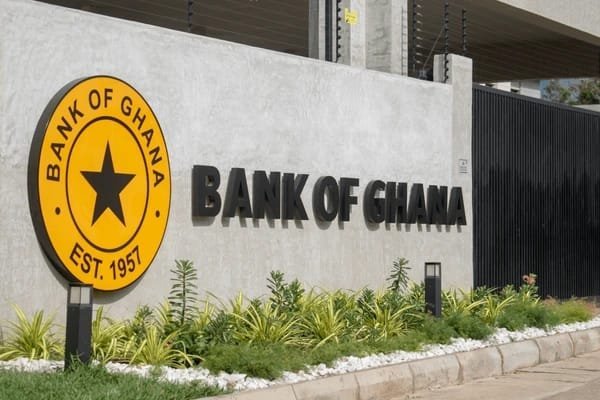
The Bank of Ghana mobile money fee controversy took a dramatic turn on Monday when the central bank directed Mobile Money Fintech Limited (MMFL) to immediately suspend its proposed 0.75 percent charge on direct wallet-to-bank transfers. The decision, announced through a press release from the Bank’s Communications Department, halts a levy that was scheduled to take effect on June 1, 2026, and signals the regulator’s intent to shield consumers from what many viewed as an unjustified financial burden.
The proposed Bank of Ghana mobile money fee had generated significant public backlash in the weeks leading up to its planned implementation, with consumer advocates, fintech analysts, and ordinary Ghanaians questioning the rationale behind imposing additional costs on digital financial transactions at a time when the government is actively promoting a cashless economy.
Why the Bank of Ghana Mobile Money Fee Sparked National Outrage
The 0.75 percent levy on wallet-to-bank transfers would have affected millions of Ghanaians who rely on mobile money platforms for daily transactions. For a worker transferring GHS1,000 from their mobile wallet to a bank account, the Bank of Ghana mobile money fee would have resulted in a GHS7.50 charge — a modest sum in isolation but a significant cumulative expense for the millions of Ghanaians who conduct multiple such transfers monthly.
Mobile money has become the backbone of Ghana’s financial inclusion strategy. According to the Bank of Ghana’s own data, mobile money transactions have grown exponentially over the past decade, with registered accounts now exceeding the country’s adult population. The platform serves as the primary banking channel for rural communities, small-scale traders, and informal sector workers who lack access to traditional banking infrastructure.
Consumer protection groups argued that the Bank of Ghana mobile money fee would disproportionately impact low-income users, effectively taxing the very demographic that digital finance was designed to empower. The proposed charge also raised questions about the transparency of fee structures in Ghana’s rapidly evolving fintech landscape.
Bank of Ghana Mobile Money Fee Suspension: What the Central Bank Said
In its official statement, the Bank of Ghana emphasized that the suspension was intended to allow for further engagement on the matter. The central bank framed the decision as part of its broader commitment to ensuring that any changes in charges within the mobile financial services sector are introduced fairly and in a way that protects consumers.
Notably, the Bank of Ghana did not provide a timeline for when a final decision on the proposed charge would be announced, leaving the door open for potential modifications, permanent cancellation, or reintroduction with adjusted terms. This ambiguity has kept industry stakeholders on alert, with many calling for a comprehensive review of the fee structure before any future implementation.
The central bank’s intervention reflects a growing recognition that regulatory decisions in the digital finance space carry enormous social implications. As Ghana continues its push toward a digitally driven economy, the balance between industry sustainability and consumer affordability remains a delicate one.
How the Bank of Ghana Mobile Money Fee Debate Reflects Broader Fintech Challenges
The Bank of Ghana mobile money fee saga is emblematic of the tensions facing regulators across Africa as they navigate the rapid expansion of digital financial services. On one hand, fintech companies require sustainable revenue models to maintain and expand their infrastructure. On the other, excessive fees risk undermining the financial inclusion gains that mobile money has achieved over the past decade.
Ghana’s mobile money ecosystem has been a continental success story. The interoperability framework introduced by the Bank of Ghana, which allows seamless transfers between different mobile money platforms and bank accounts, was hailed as a landmark achievement. However, the Bank of Ghana mobile money fee controversy has exposed gaps in how such policy changes are communicated and implemented.
Industry analysts have pointed out that the lack of extensive public consultation before the announcement contributed to the backlash. The International Monetary Fund has consistently advised emerging economies to adopt transparent and inclusive approaches when introducing new financial regulations, a principle that appears to have been tested in this instance.
What Happens Next After the Bank of Ghana Mobile Money Fee Suspension
With the Bank of Ghana mobile money fee now suspended, all eyes are on the central bank’s next move. Stakeholders across the financial services spectrum are calling for a structured consultation process that includes consumer representatives, fintech operators, civil society organizations, and academic researchers.
The suspension also raises questions about the broader regulatory framework governing mobile money in Ghana. As the digital finance ecosystem continues to expand — incorporating services such as micro-insurance, savings products, and credit facilities — the need for clear, predictable, and fair regulatory guidelines becomes increasingly urgent.
For now, Ghanaians can continue to transfer funds from their mobile wallets to bank accounts without incurring the proposed 0.75 percent charge. But the underlying questions about who bears the cost of digital financial infrastructure, and how those costs should be distributed, remain unresolved.
The Bank of Ghana mobile money fee episode serves as a reminder that in an increasingly digital economy, regulatory decisions are never purely technical — they are deeply personal, affecting the daily financial lives of millions. How the central bank navigates this challenge will set the tone for Ghana’s digital finance policy for years to come.
Source: Ghanaian Times