At Least 15 Migrant Bodies Wash Ashore in Eastern Libya
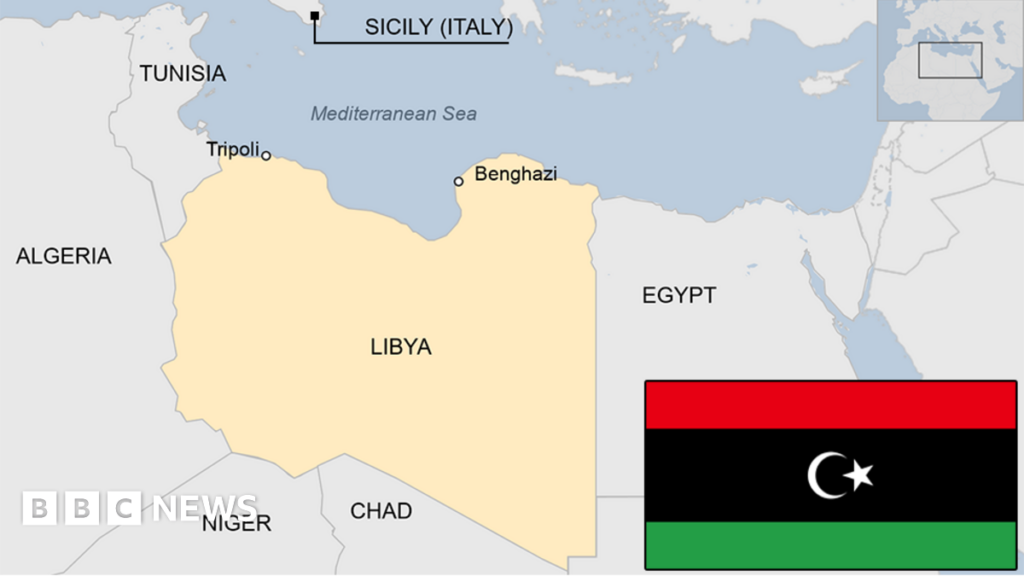
The recent recovery of at least 15 migrant bodies along Libya’s eastern Mediterranean coast serves as a grim reminder of the enduring human cost of migration routes that have remained perilous for over a decade. The bodies, including that of a young girl, were found scattered near Tobruk, a city close to the Egyptian border, after the vessel carrying approximately 61 people is believed to have capsized. Ten survivors recounted the ordeal, while security officials warned that more bodies could still be recovered due to the advanced state of decomposition.
This tragedy is not an isolated incident but a symptom of Libya’s prolonged instability since the 2011 NATO-backed uprising that toppled Muammar Gaddafi. The country has since become a major transit point for migrants fleeing conflict, poverty, and repression across Africa and the Middle East, seeking passage to Europe via the dangerous Central Mediterranean route. Libya’s fractured governance, competing militias, and strained resources have left little capacity to ensure the safety of those passing through its territory, let alone to deter the smuggling networks that profit from human desperation.
The international response to such tragedies often follows a familiar pattern: expressions of sorrow, calls for investigation, and then a return to the status quo. Yet the underlying drivers remain unaddressed. European migration policies that prioritize externalization of borders—such as agreements with Libyan authorities to intercept and return boats—have been criticized for trapping migrants in abusive detention centers and fueling the very militias that control the smuggling trade. Meanwhile, safe and legal pathways for asylum seekers remain severely limited, pushing more people into the hands of traffickers.
Libya’s interim government, struggling to assert control over its territory, lacks the capacity to conduct effective search-and-rescue operations or to dismantle smuggling rings without broader security sector reform. The European Union, which has invested millions in training the Libyan Coast Guard, faces a moral dilemma: its support risks enabling interceptions that return migrants to inhumane conditions, yet disengagement could leave a vacuum exploited by even more dangerous actors.
A sustainable solution requires a multifaceted approach. First, there must be a genuine effort to stabilize Libya through inclusive political dialogue and security reform, enabling the state to assert authority over its borders and territorial waters. Second, European nations must expand humanitarian visas and resettlement programs to provide genuine alternatives to dangerous journeys. Third, independent monitoring of migrant detention centers in Libya is essential to ensure adherence to human rights standards. Finally, addressing the root causes of migration—investing in peacebuilding, governance, and economic development in origin countries—is crucial for long-term reduction of irregular flows.
The bodies washing ashore near Tobruk are not merely statistics; they represent lives cut short, families left in anguish, and a collective failure to uphold the duty to protect those fleeing harm. Until the international community moves beyond reactive responses to confront the structural forces driving these tragedies, the Mediterranean will continue to claim innocent lives as a bitter testament to our shared shortcomings.
Image Source: MYJOYONLINE