Algerian Parliament Speaker Arrives in Ghana for UN Resolution Conference on Enslaved Africans
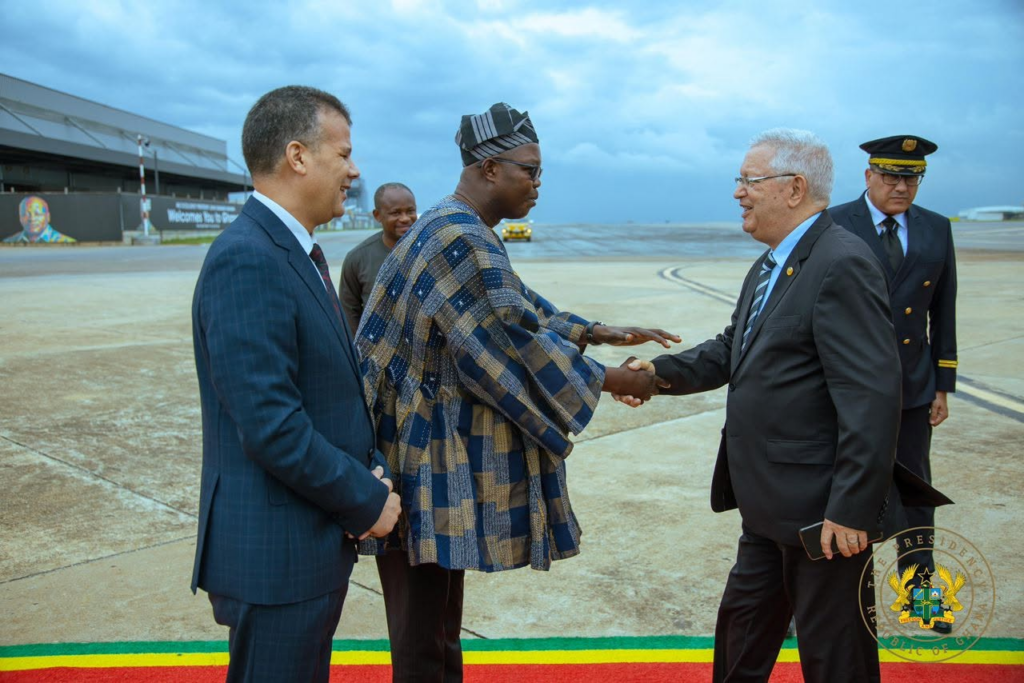
The Speaker of the Algerian Parliament, Azouz Nasri, arrived in Accra on Tuesday to participate in a high-level international conference aimed at advancing the implementation of a landmark United Nations resolution on the trafficking of enslaved Africans.
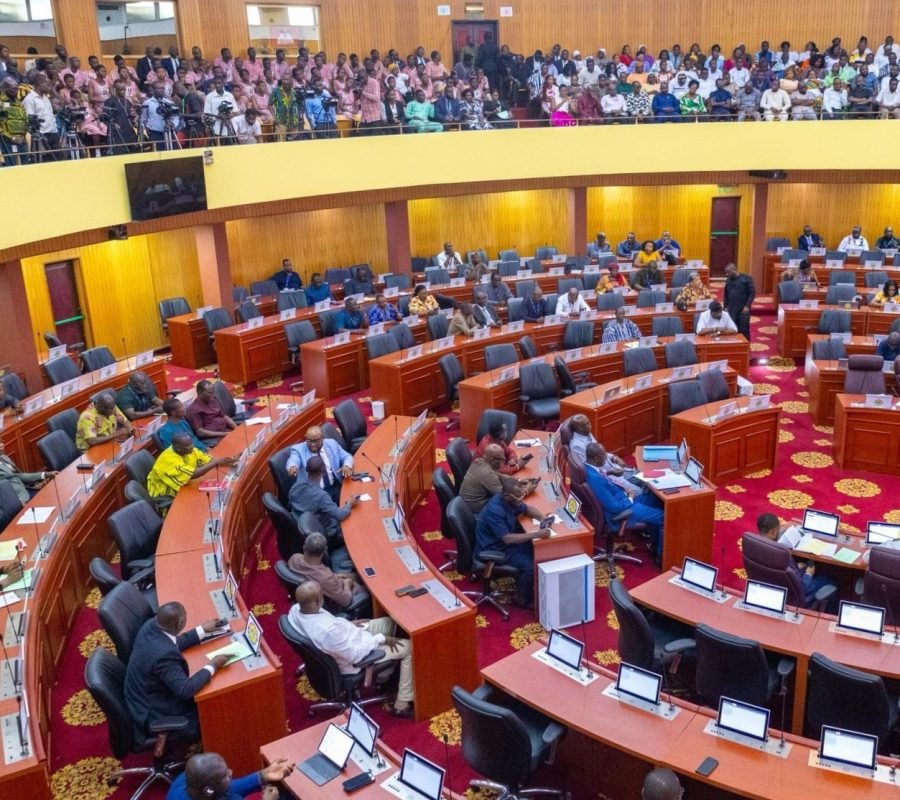
Mr Nasri was received at the Jubilee Lounge of Kotoka International Airport by Bernard Ahiafor, the First Deputy Speaker of Ghana’s Parliament, in a brief ceremony that signalled the diplomatic weight of the three-day gathering to follow.
Next Steps for a Landmark Resolution
The Next Steps High-Level Consultative Conference, scheduled from 17 to 19 June 2026, is expected to bring together political leaders, policymakers, academics, and civil society organisations from across the globe. Its central mandate: to translate the UN resolution from paper into practice.
The conference will focus on the implications of the resolution for Africans and people of African descent worldwide, while exploring practical measures for its implementation. Participants are expected to draft a coordinated framework and advocacy strategies that can be adopted internationally.
Ghana’s decision to host the gathering places the country at the centre of global discussions on historical reparatory justice — a role it has increasingly embraced in recent years, building on initiatives such as the Year of Return in 2019 and the broader Beyond the Return campaign.
Africa’s Reckoning with History
The UN resolution, which addresses the trans-Atlantic slave trade and its enduring legacies, represents one of the most significant international acknowledgements of historical injustice against people of African descent. Its implementation, however, remains a work in progress — one that conferences like this seek to accelerate.
Ghana’s hosting of the event is consistent with its longstanding positioning as a focal point for the African diaspora. The country has long welcomed people of African descent seeking to reconnect with the continent, and its role in this conference extends that commitment to the diplomatic arena.
Broader Diplomatic Implications
The arrival of Algeria’s parliament speaker also reflects the strengthening of intra-African diplomatic ties around shared historical narratives. While Algeria and Ghana occupy different corners of the continent, the conference demonstrates a growing continental consensus that the legacies of slavery and colonialism demand coordinated action rather than isolated national responses.
The three-day conference is expected to produce concrete recommendations for governments, international organisations, and civil society groups working on reparatory justice, heritage preservation, and the economic empowerment of communities affected by the slave trade’s generational consequences.
Image Source: MYJOYONLINE