Accra Flooding Crisis: Mahama Blames Climate, Drainage, Urban Development
Accra’s Flooding Crisis: A Convergence of Climate Extremes and Human Failure
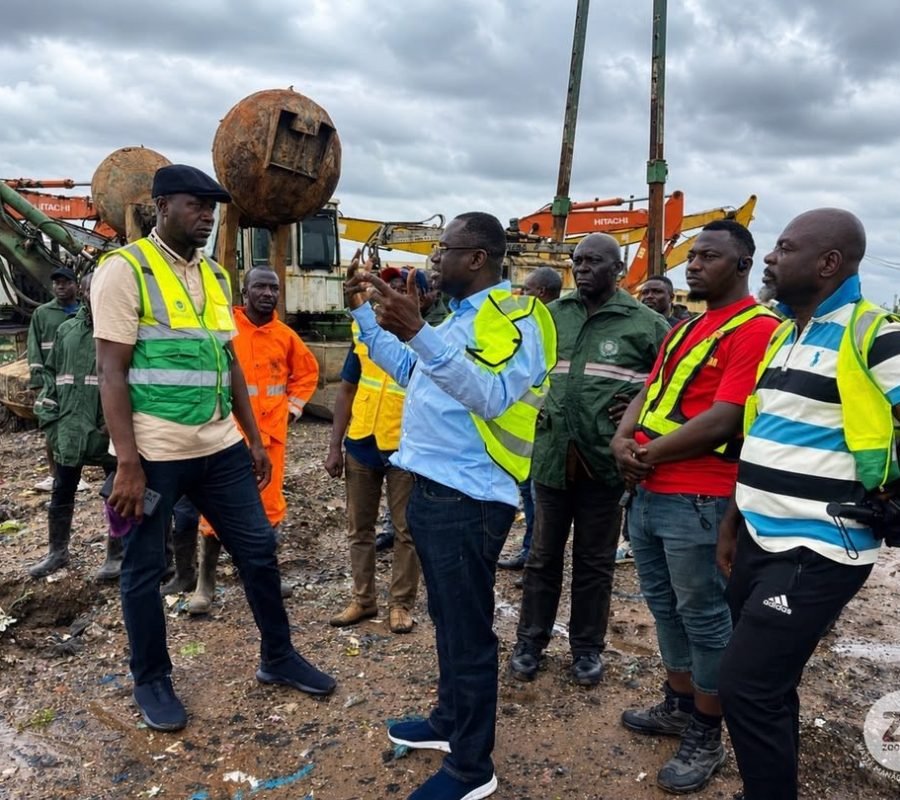
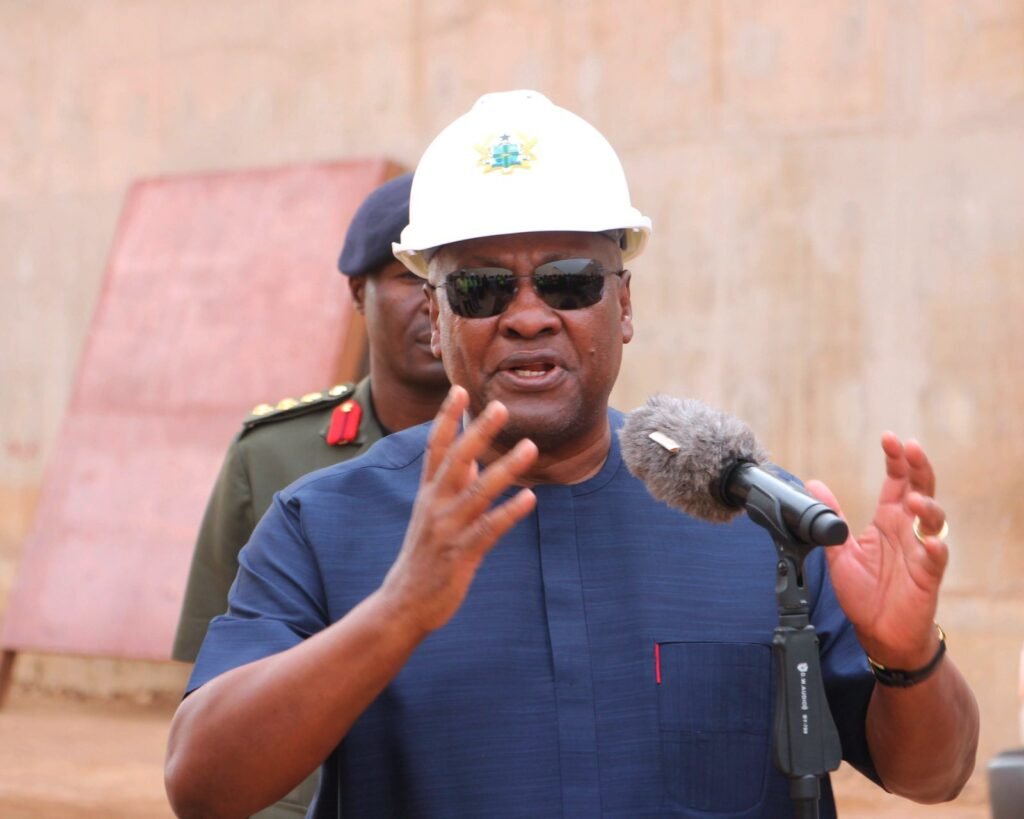
President John Dramani Mahama has identified a dangerous trifecta behind the devastating floods that inundated Accra last Monday: record-shattering rainfall, chronically inadequate drainage infrastructure, and years of unchecked urban development that has choked the city’s natural waterways.
Speaking after an aerial tour of the hardest-hit neighborhoods, Mahama revealed that meteorological stations recorded approximately 140 millimeters of rainfall in a single day — more than double the previous annual high of 56 millimeters measured just twelve months earlier. This extreme precipitation event is part of a troubling pattern; June rainfall totals have climbed from 85 millimeters in 2024 to 172 millimeters in 2025, reaching a staggering 333 millimeters this year alone.
“This is not merely an act of God,” Mahama stated bluntly. “What we are witnessing is the collision of climate change with systemic failures in urban planning and environmental stewardship.”
The President’s assessment goes beyond meteorological anomaly to indict specific human decisions that have transformed periodic heavy rains into catastrophic flooding. He pointed to drainage systems narrowed by sediment and debris, natural watercourses constricted by illegal construction, and wetlands converted into dumping grounds before being sold for residential development.
“These waterways were never designed to handle today’s volumes of stormwater,” Mahama explained. “Yet we continue to permit construction that blocks these vital channels, then express surprise when the water has nowhere to go.”
Of particular concern to the President is the pervasive practice of refuse disposal in drainage channels. “Indiscriminate dumping of garbage into drains is not just unsanitary — it is actively sabotaging our flood defenses,” he said, describing how plastic bags, construction waste, and household refuse accumulate to form impenetrable barriers during heavy rains.
The aerial survey also revealed what Mahama termed “wetland laundering” — a process where developers illegally fill wetlands with trash, allow the site to stabilize, then sell the reclaimed land for housing projects. This practice eliminates the city’s natural sponges that once absorbed excess rainwater during storms.
Mahama’s prescription for addressing this recurring crisis requires simultaneous action on two fronts. First, major engineering interventions to widen and deepen drainage channels, clear obstructions, and upgrade capacity to handle increasing rainfall intensities. Second, rigorous enforcement of existing planning and environmental regulations to prevent further encroachment on waterways and wetlands.
The government’s response aligns with recent initiatives outlined in official statements, including comprehensive anti-flood measures currently being implemented across Accra and Tema. These efforts recognize that sustainable flood management requires both infrastructural investment and strict adherence to environmental protections — particularly as commercial districts work to protect vital economic interests amid increasingly volatile weather patterns, as seen in recent initiatives to safeguard businesses during flood emergencies.
“We cannot keep treating each flood as an isolated emergency,” he warned. “Without confronting the root causes — both the changing climate and our own destructive habits — we will simply rebuild only to flood again.”
The human toll of Monday’s deluge continues to mount. Rescue teams from NADMO, the fire service, military, and police worked through submerged streets to evacuate residents from homes and vehicles. While official casualty figures remain pending, numerous neighborhoods reported missing persons, and widespread property damage has left countless families facing uncertain recoveries.
As climate projections indicate increasing rainfall volatility across West Africa, Accra’s flooding dilemma presents a stark warning for coastal cities worldwide: adaptation requires not just concrete and pumps, but the political will to confront uncomfortable truths about how we build and inhabit our urban environments.
Image Source: MYJOYONLINE