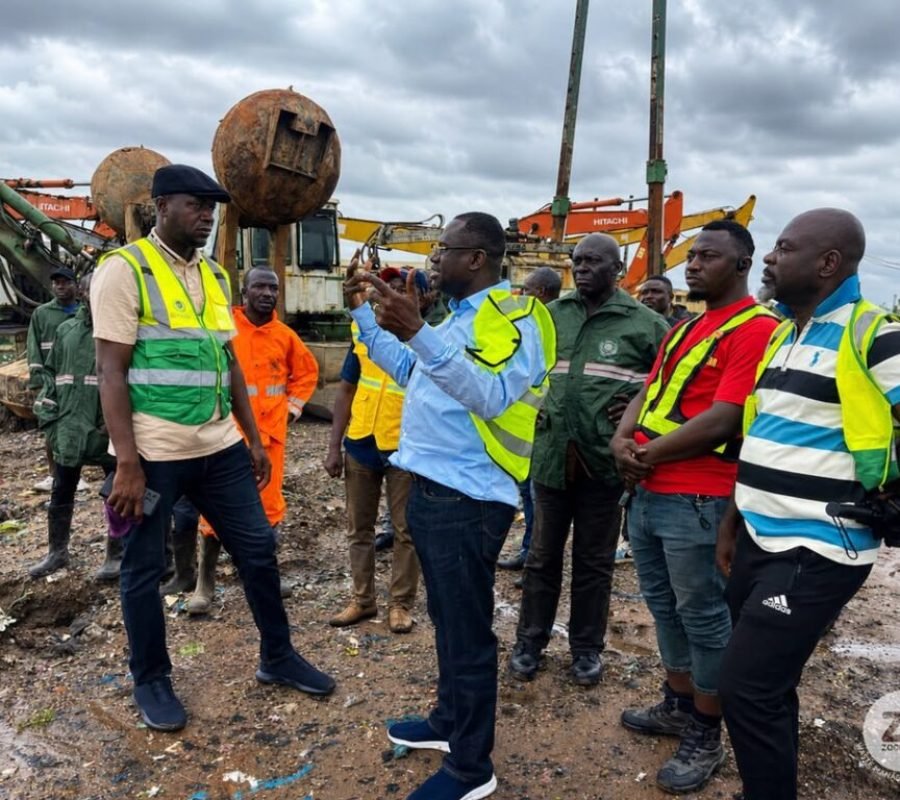
Dr. Siaw Agyapong inspects flood-prone zones as Accra battles drainage challenges
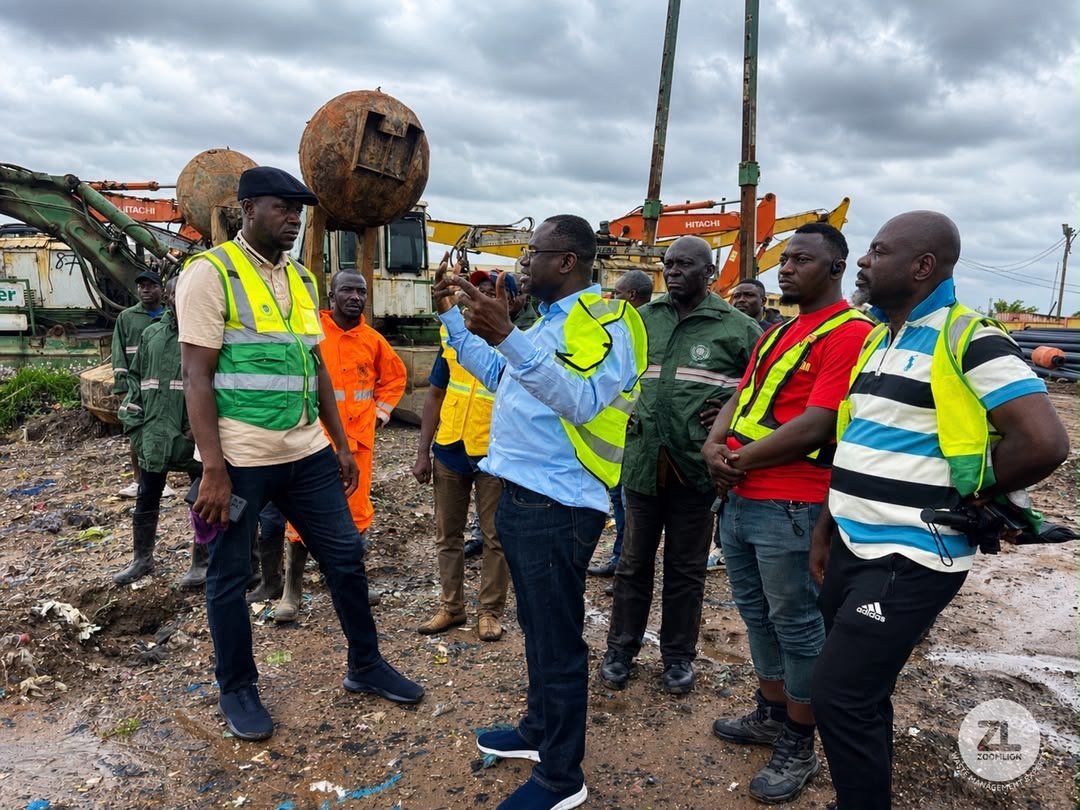
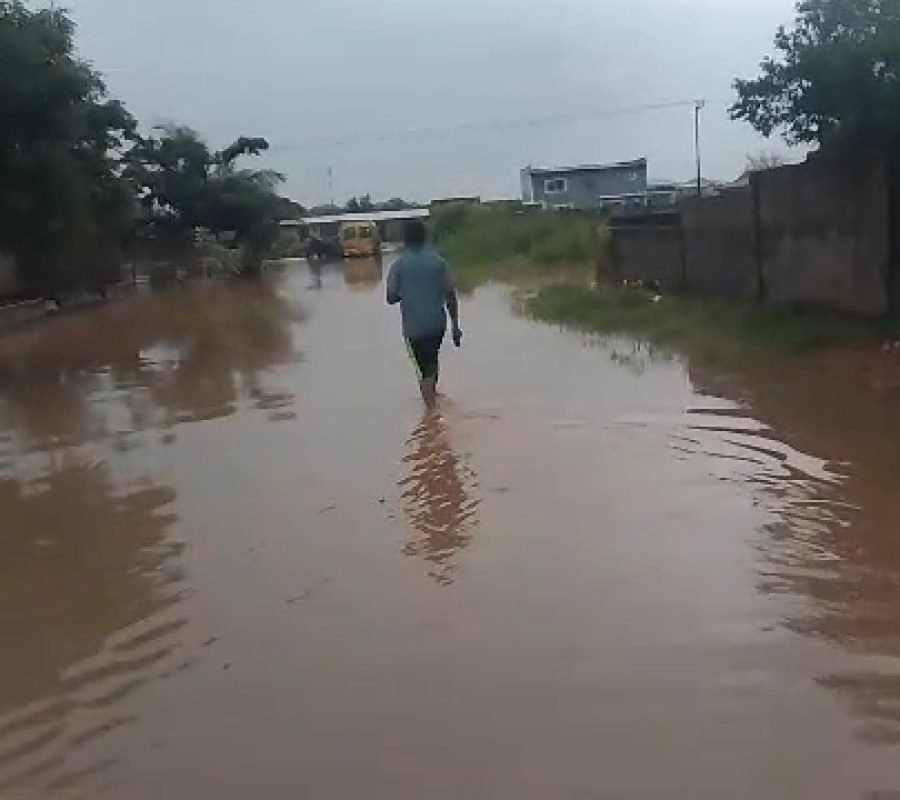
As Accra grapples with the recurrent threat of seasonal flooding, recent inspection tours by civic and business leaders offer critical insights into both the city’s vulnerabilities and emerging strategies for building urban resilience. Dr. Joseph Siaw Agyepong’s examination of the capital’s flood-prone zones—including Jamestown, Korle Lagoon, Kaneshie First Light, Darkuman Junction, Atico, and Abossey Okai—reveals not merely the immediate symptoms of clogged drains but points to deeper systemic challenges in how rapidly growing African cities manage the intersection of urbanization, climate variability, and infrastructure maintenance.
The timing of this inspection is particularly significant. Conducted at the onset of peak rainy season, it underscores a growing recognition that effective flood management cannot rely solely on emergency response. Instead, it demands sustained, preventive approaches that address the root causes of inundation: silted waterways choked by years of accumulated sediment, drainage systems overwhelmed by plastic waste and refuse, and urban planning that often fails to account for increased runoff from expanding impervious surfaces.
What makes this initiative noteworthy is its multi-stakeholder approach. By bringing together Zoomlion Ghana Limited’s technical expertise in waste management and dredging, the National Disaster Management Organisation’s emergency coordination capabilities, the Ghana Police Service’s role in maintaining order during crises, and the local knowledge of Metropolitan, Municipal and District Assemblies, the effort reflects an evolving understanding of flood resilience as a shared responsibility. This collaborative model acknowledges that while institutions must provide leadership and resources, effective flood prevention ultimately depends on community engagement—particularly in promoting responsible waste disposal practices that prevent drains from becoming clogged in the first place.
The selection of inspection sites tells its own story about Accra’s development trajectory. Jamestown, with its historic coastal settlement, faces unique challenges from both sea-level rise and aging infrastructure. Korle Lagoon, once a vital ecological buffer, has suffered from decades of pollution and encroachment. Areas like Kaneshie First Light and Darkuman Junction represent the pressures of commercial and residential expansion, where paved surfaces increase runoff while drainage upgrades often lag behind. Even newer developments like Atico and Abossey Okai are not immune, suggesting that flooding vulnerabilities are embedded in the city’s growth patterns rather than confined to specific neglected zones.
The focus on removing accumulated silt, plastic waste, and other debris from drains and waterways addresses a critical but often neglected aspect of urban infrastructure: the need for regular maintenance. Too often, cities invest in impressive drainage projects only to see their effectiveness diminish within months due to lack of upkeep. By framing desilting as an ongoing exercise rather than a one-time intervention, this approach recognizes that urban waterways function as living systems requiring consistent attention—much like the streets, power grids, and public buildings that constitute a city’s vital infrastructure.
Dr. Agyepong’s emphasis on proactive measures strikes at the heart of effective disaster risk reduction. Rather than waiting for floods to occur and then mounting costly relief efforts, investing in preventive infrastructure and community education represents both a humanitarian imperative and an economic safeguard. The World Bank estimates that every dollar spent on disaster preparedness saves between $4 and $7 in response and recovery costs—a calculation that takes on added urgency for cities like Accra, where flooding threatens not just lives and homes but also vital economic activity in markets, industrial zones, and transportation corridors.
The economic stakes are substantial. Beyond the immediate costs of property damage and emergency response, recurring floods disrupt commerce, damage infrastructure, and deter investment. Market traders lose inventory, factories halt production, and commuters face hours-long delays—all of which accumulate into significant losses for the city’s economy. By viewing flood prevention as an investment rather than an expense, Accra can protect not only lives and homes but also its economic future.
Yet as the inspection revealed, technical solutions alone cannot solve Accra’s flooding challenges. Dr. Agyepong’s call for ‘responsible environmental practices from residents’ highlights the behavioral dimension of urban water management. No amount of infrastructure investment will succeed if citizens continue to treat waterways as convenient disposal sites for plastic bags, electronic waste, and other refuse that ultimately obstruct flow and create breeding grounds for disease vectors during stagnant periods.
This insight points toward a more holistic vision of urban resilience—one that combines engineering solutions with public education campaigns, incentive programs for proper waste segregation, and potentially even innovative approaches to waste-to-value conversion that could transform the very materials clogging drains into economic resources. Cities that have made strides in managing flood risk often pair hard infrastructure with soft measures: creating green spaces that absorb rainwater, implementing early warning systems, and fostering community-based monitoring networks that can quickly identify emerging blockages before they escalate into crises.
As Ghana’s capital continues to grow—both in population and economic significance—the lessons from these inspection tours will prove invaluable. Building true flood resilience requires viewing drainage not as an isolated technical issue but as an integral component of urban planning that touches on public health, environmental sustainability, and economic development. Only through such integrated thinking can cities like Accra hope to transform their relationship with seasonal rains from one of destructive threat to manageable natural occurrence, ensuring that the city’s development proceeds in harmony with its environment rather than in spite of it.
Image Source: STARR FM