Ghana's Unsung Heroes Fuel Food Security
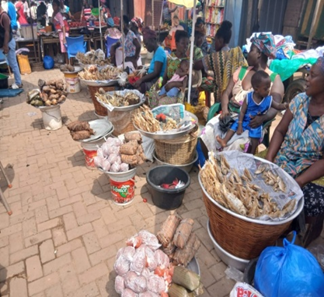
The vibrant Agona Nkwanta market, brimming with the aromas of spicy pepper, sweet fruits, earthy yam and cassava, and the salty tang of the Atlantic, is a microcosm of a national ambition: Eat Ghana, Grow Ghana, and Secure the Future.
This powerful drive for self-reliance isn’t dictated by policy, but fueled by the daily grind of ordinary Ghanaians. To truly understand Ghana’s food systems, one must step beyond macro-level reports and meet the people at the heart of it all.
Among the bustling stalls, Rebecca Noah stands out. For 25 years, she has been a fixture in the market, selling fresh, locally-sourced fish directly to consumers. “I have no store or shade,” she explains, her voice firm. “Whether it is rain or shine, I must be here.” Her weathered hands expertly sort the morning’s catch, a testament to a life dedicated to connecting Ghana’s waters to its tables.
Rebecca’s business is a crucial link in the supply chain, providing essential protein – tilapia, mackerel, and salmon – to thousands of families in Agona Nkwanta and surrounding areas. This direct link from fishermen to market embodies the “GrowGhana” ideal.
“The quality of the fish is everything,” Rebecca asserts emphatically above the market clamor. “People trust me because they know I sell fresh, local fish. They trust my hands, and the hands of the fishermen who brought it in.”
However, this seemingly simple trade faces significant hurdles. Challenges begin at the coastal level, with galamsey impacting fish stocks, fluctuating fuel costs for canoes, and the constant need for ice to preserve freshness during transport.
Waste is Rebecca’s biggest concern. “If the ice melts or there are delays, the fish spoils. That isn’t just a financial loss for me; it represents food lost to the community,” she laments.
The pursuit of food security isn’t solely reliant on the persistence of vendors like Rebecca. Citizens are also contributing through new investments and a shift in mindset. Emmanuel Yeboah, an accountant in Agona Nkwanta, is a prime example, planning a transition into farming.
Emmanuel explains the “GrowGhana” campaign’s core message: “It’s about promoting awareness and focusing on domestically produced goods – to grow, eat, and support everything made in Ghana.”
He adds that the “Eat Ghana” element centers on achieving self-sufficiency and reducing dependence on expensive imports. “We must lessen our expenditure on foods we can cultivate right here,” he stated.
Several challenges hinder the realization of this potential. Emmanuel points to a prevailing preference for imported goods, often perceived as higher quality. Poor road networks in rural areas impede the efficient transportation of produce to urban markets, and inadequate storage facilities lead to post-harvest losses.
“The government must prioritize road infrastructure development and invest in storage facilities,” Emmanuel advises, offering a path forward.
Ghana’s food security isn’t a lofty aspiration; it’s woven into the daily lives of its people – from Rebecca Noah’s 25 years of dedicated work to the conscious choices of citizens like Emmanuel Yeboah. The answer to feeding the nation lies in the resources readily available, moving from the sea to the market and ultimately to every Ghanaian home, a testament to the strength and resilience of its unsung heroes.
Image Source: MYJOYONLINE