High Court Protects Key Witness in Charles Bissue Corruption Case
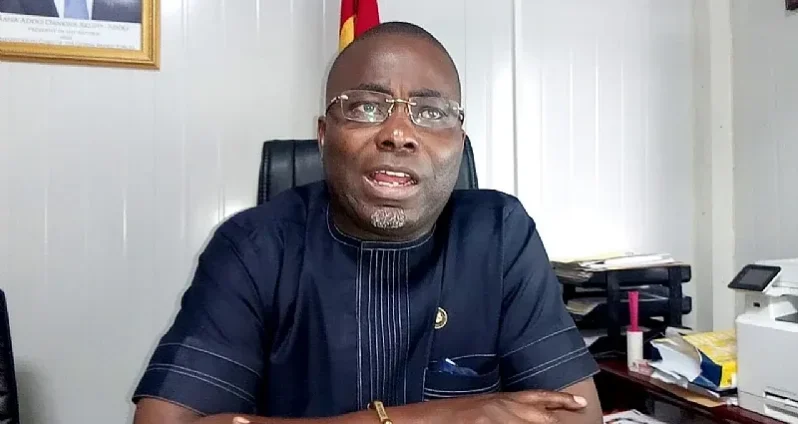
The Criminal Division of the High Court has granted the Office of the Special Prosecutor (OSP) a key application to protect the identity of its first prosecution witness in the corruption trial involving former Inter-Ministerial Committee on Illegal Mining (IMCIM) Secretary, Charles Bissue, and two others.
Justice Audrey Kocuvie‑Tay approved the OSP’s request for the witness to testify in camera, citing substantial risks to their life if their identity were made public. The witness, identified as Benjamin Agyepong in court documents, is an undercover investigator.
The OSP argued that this measure was crucial given the volatile nature of illegal mining, commonly known as ‘galamsey’, and the potential for violence associated with it. “The safety of the witness is paramount, considering the dangerous environment surrounding illegal mining activities,” a source close to the OSP stated.
The trial centers around three former IMCIM figures: Charles Cromwell Nanabanyin Onuawonto Bissue, facing six counts of corruption and abuse of office; Raphael Mensah, former Systems Manager of the GalamStop software, charged with abetment of corruption and using public office for profit; and Dr Naa Dedei Tagoe, former Project Coordinator for IMCIM, also charged with abetment of corruption. All three have pleaded not guilty.
The prosecution alleges that the accused bypassed established IMCIM procedures to benefit a company that did not meet the required qualifications. The case originates from the investigative documentary “Galamsey Fraud Part I,” produced by Tiger Eye P.I.
Defense counsel vehemently opposed the in-camera testimony, questioning the necessity of secrecy and the legitimacy of the undercover investigator’s employment. They maintained that the constitutional principles of transparency and public access to trials should not be easily overridden.
The defense also challenged a separate request by the prosecution to have an investigative journalist involved in the exposé testify. However, the court, relying on Article 19(5) of the Constitution and Section 102 of the Courts Act, upheld the need to protect individuals involved in the case. The trial has been adjourned to January 12, 2026, to allow proceedings to begin under these secure conditions.
This case is widely regarded as a significant test of the OSP’s ability to effectively prosecute high-level corruption linked to illegal mining. Success in this endeavor is vital for Ghana’s economic well-being, as ‘galamsey’ causes extensive environmental damage – polluting water sources and destroying agricultural lands – and leads to substantial revenue losses. These lost funds could be used to address critical public service needs, such as the employment of thousands of unposted graduate nurses and midwives who are planning protests over their prolonged unemployment.
The decision to protect the witness also draws attention to the tragic murder of investigative journalist Ahmed Suale, highlighting the dangers faced by those who expose corruption in Ghana. The outcome of this trial could have far-reaching implications for the fight against corruption and the safety of investigative journalists in the country.
Image Source: MYJOYONLINE