Jerome Okyere: Black Stars' Round of 32 Exit Was Expected Given Recent Form

Ghana’s exit from the FIFA World Cup at the Round of 32 stage, following a 1-0 loss to Colombia, was met with widespread disappointment among supporters. Yet, for those who have observed the Black Stars’ recent trajectory, the outcome was scarcely surprising. Sports journalist Jerome Okyere, speaking on Citi Eyewitness News, articulated a sentiment that had been building over years: the current squad simply does not measure up to the standards set by previous generations.
“The Black Stars I have seen in the last six to seven years haven’t been anywhere close to the Black Stars I saw 15 years ago,” Okyere stated. This comparison is not merely nostalgic; it reflects a tangible decline in performance, cohesion, and perhaps most critically, in the expectations that once surrounded the team. During the nation’s golden era, characterized by quarter-final appearances in 2006 and 2010, the team blended individual brilliance with tactical discipline, inspiring a belief that they could compete with any side. Today, that belief has eroded, replaced by a sobering recognition of the gaps in preparation, execution, and institutional support.
Okyere’s assessment was grounded in the team’s recent performances, not a lack of patriotism. He recalled advising caution throughout the tournament, emphasizing that his stance was rooted in realism rather than pessimism. The preparation and management of Ghana football, he argued, had further constrained what could be reasonably expected from the team at this World Cup. “Given the circumstances the team prepared and how the team and generally speaking our football has been run, there wasn’t anything to expect,” he said. This candid evaluation points to systemic issues that extend beyond the players on the pitch, touching on administrative and strategic decisions that have shaped the team’s trajectory. Recent years have seen frequent changes in coaching staff, disputes over player bonuses, and questions about the effectiveness of youth development programs — all contributing to an environment where consistency is hard to achieve.
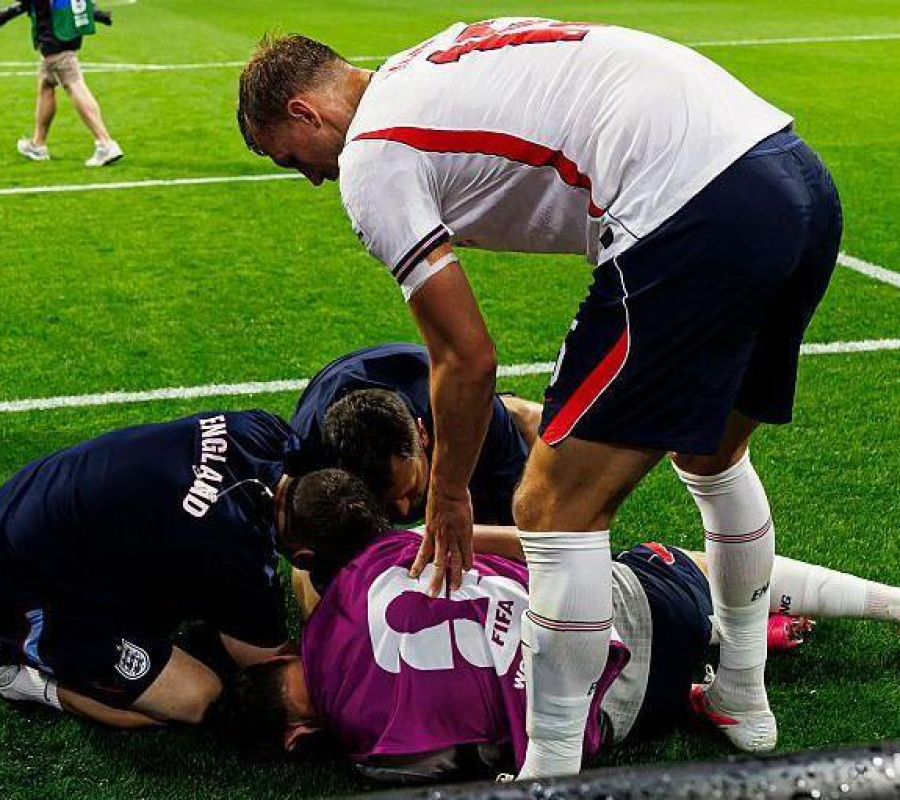
Despite the overarching pessimism, Okyere acknowledged a glimmer of hope during the group stage. The match against England, he noted, presented an opportunity for the Black Stars to exceed expectations. “If there was any hope at all, it would be dependent on what the coach does and who starts, especially in the game against England,” he remarked. That encounter, a 0-0 draw, showcased a resilient defensive performance and offered fans a momentary respite from the prevailing doubts. It suggested that, with the right tactics and selection, the team could frustrate even formidable opponents. Yet, Okyere was quick to temper this optimism, noting that progressing beyond the knockout stages remained a formidable challenge given the broader context of the team’s shortcomings.
The loss to Colombia, with Jhon Arias’ goal in the 14th minute, underscored the limitations of the current setup. For Okyere, reaching the Round of 32 had always appeared to be the likely endpoint of Ghana’s campaign, making the result a confirmation of prior expectations rather than a shocking upset. The team struggled to create clear-cut chances and appeared vulnerable to quick transitions, a pattern that had plagued them in recent friendlies and qualifiers. While individual players showed flashes of quality, the collective effort fell short of what is required to advance deep in a tournament of this magnitude.
The journalist’s perspective invites reflection on the state of Ghanaian football. While individual talent exists, the collective ability to compete at the highest level appears to have diminished. The World Cup exit, therefore, should not be viewed in isolation but as a symptom of deeper issues requiring attention from policymakers, administrators, and stakeholders. Investing in grassroots development, ensuring stable leadership, and fostering a culture of accountability are essential steps toward revival. Without such measures, the cycle of unmet expectations may continue.
As the nation processes this outcome, the focus must shift from lamenting a missed opportunity to addressing the foundational elements that enable sustained success. Only through honest appraisal and concerted effort can the Black Stars hope to reclaim their former stature on the global stage. The road to redemption will demand patience and persistence. It will require rebuilding trust between the federation, the players, and the public, as well as establishing a clear, long-term vision that transcends the disappointments of any single tournament. For a nation that lives and breathes football, the stakes are nothing less than restoring pride and joy to a cherished national pastime.