FDA warns public against consuming food recovered from floodwaters
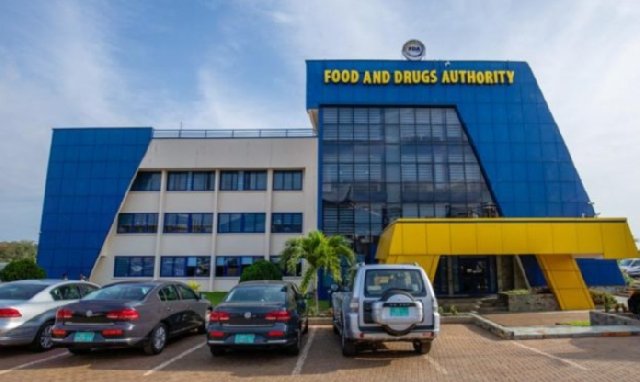
In the wake of devastating floods that swept through Accra and surrounding regions, the Food and Drugs Authority (FDA) has issued a urgent public health warning: under no circumstances should members of the public consume, sell, distribute, or even handle food or other regulated products retrieved from floodwaters. The advisory comes after reports and social media posts showed individuals scavenging items from inundated areas, with some expressing intent to redistribute these goods to unsuspecting consumers, including students.
“The FDA cannot vouch for the safety or quality of these products, as they may have been contaminated by floodwaters and mishandling, which could pose a serious risk to public health,” the authority stated in a formal alert issued on July 2. Floodwaters are not merely rainwater; they are a hazardous cocktail of sewage, industrial chemicals, waste products, and pathogenic microorganisms capable of causing severe illness. Consuming anything that has come into contact with such water is tantamount to ingesting a potential biohazard.
The risks are not hypothetical. Contaminated food and water can trigger outbreaks of life-threatening diseases such as cholera, typhoid fever, dysentery, and hepatitis A. With sanitation systems often overwhelmed or damaged during floods, the likelihood of cross-contamination increases exponentially. The FDA emphasized that the recent deluge has significantly heightened the threat of foodborne and waterborne illnesses across affected communities.
To mitigate these dangers, the FDA issued clear, actionable guidance. First and foremost: discard any food item—whether packaged, canned, or fresh—that has been exposed to floodwater. Do not attempt to salvage or “clean” such items, as contaminants can penetrate packaging and persist despite washing. Second, consume only water known to be safe; if there is any doubt about a water source’s purity, boil it vigorously for at least five minutes before drinking or using it for food preparation.
Personal hygiene is equally critical. Hands must be washed thoroughly with soap and safe water before preparing meals, eating, or handling any items that may have come into contact with floodwaters. This simple act can prevent the transfer of harmful pathogens from contaminated surfaces to the mouth. Furthermore, all food preparation surfaces, utensils, refrigerators, and storage areas that may have been exposed to floodwater should be cleaned and disinfected using appropriate sanitizers. To avoid cross-contamination, raw and cooked foods must be kept strictly separate during storage and preparation.
The FDA also urged vigilance when purchasing food in the aftermath of the disaster. Consumers should inspect products carefully for signs of water damage, such as swelling, leakage, or unusual odors, and avoid anything that appears compromised. Suspicious sales or distributions of flood-damaged goods should be reported immediately to the FDA via its social media channels or by calling the hotlines at 0551112224 or 0551112225.
This warning is not isolated; it forms part of a broader public health response to the floods. Earlier, health officials had already urged communities to reinforce handwashing and face mask usage to prevent disease outbreaks in stagnant water conditions—a reminder that flood safety extends beyond immediate physical dangers to include invisible microbial threats. Similarly, public advisories encouraging vigilance for FDA food hygiene permits at food establishments remain relevant, as they help ensure that commercial eating establishments maintain safe practices even during crises.
The authority stressed that it is working in tandem with other governmental agencies to monitor food safety in flood-affected zones and will take necessary regulatory actions to protect the public. However, individual responsibility is paramount. As the FDA bluntly advised: “If you are not sure, don’t eat. Don’t purchase.” In the aftermath of disaster, when resources may be scarce and temptations to salvage goods strong, this simple rule could be the difference between safety and severe illness—or worse.
Image Source: MYJOYONLINE