Public health officers push for face masks and handwashing amid post-flood risks
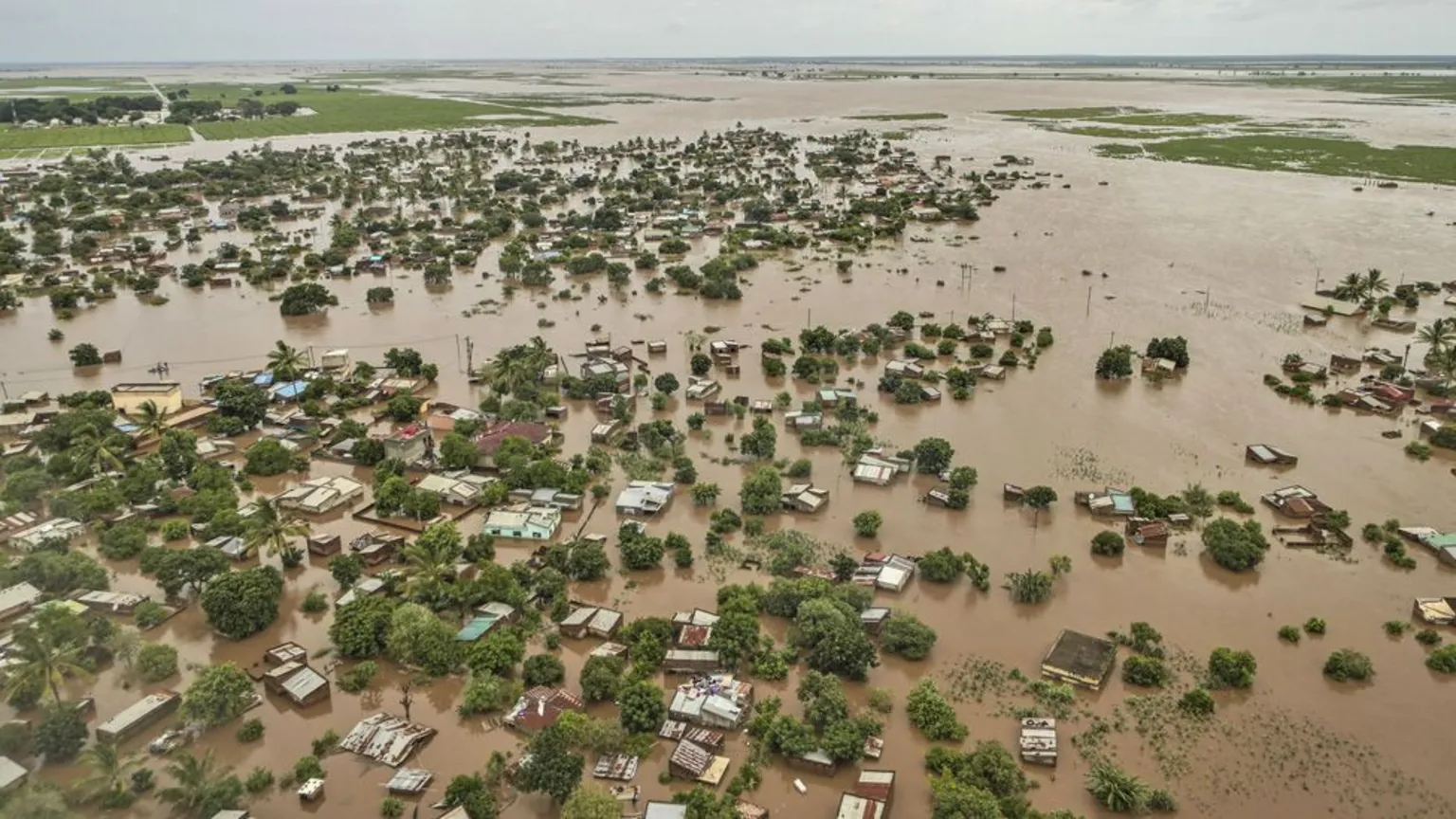
Public health officials in Ghana are urging immediate action to prevent disease outbreaks in the wake of recent floods that have devastated communities across the Greater Accra Region. The Ghana Association of Public Health Technical Officers (GAPHTO) has emphasized the critical need for renewed focus on handwashing and face mask usage as essential barriers against waterborne illnesses that thrive in contaminated floodwaters.
Speaking on JoyNews’ The Pulse, GAPHTO National President Joseph Owusu Asante warned that floodwaters often contain a dangerous mixture of sewage, industrial waste, chemicals, and pathogenic microorganisms capable of triggering outbreaks of cholera, typhoid fever, diarrheal diseases, and leptospirosis. He stressed that while emergency rescue and relief efforts remain vital, equal attention must be directed toward preventing secondary public health crises that could exacerbate the suffering of flood-affected populations.
“We urge the government to enforce handwashing and face mask protocols,” Asante declared, noting that the preventive measures widely adopted during the COVID-19 pandemic should be temporarily revived in flood-hit communities. “Hand washing and the use of nose masks must be introduced and made as one of the major community barriers to make sure that pathogens that are mixed up do not get a chance to thrive and cause outbreaks within these times,” he explained. “I think we would want to entreat government that in doing all this we also have to ensure that there’s a bit of policy behind what is going on.”
Asante also cautioned residents against using floodwater for household cleaning, describing the practice as highly dangerous due to the water’s contamination level. “Not at all. Not at all. And I think providing water is one of the basics,” he said, adding that even hands that appear clean can harbor harmful microorganisms, making visibly polluted floodwater an even greater health hazard. “In fact, even your hands that do not appear dirty carry pathogens or disease-causing organisms. How much more floodwater that is obviously looking turbid and seriously contaminated, and would carry so much to harm your life.”
The public health expert further urged authorities to provide adequate personal protective equipment (PPE) for sanitation workers and volunteers engaged in post-flood cleanup operations, emphasizing that reliance on contaminated floodwater for cleaning could expose survivors to serious health complications even after escaping the immediate effects of the disaster. “We must get people PPEs to be doing this work. Otherwise, if you have to do that at home, then you must observe a high level of hygiene practice,” he stated. “You want to use the contaminated water for your cleaning. You just trying to make the worst happen to you after you have survived the disaster. That is not advisable.”
As health authorities intensify surveillance following the devastating floods that claimed lives, displaced hundreds, and submerged homes and businesses, Asante called for heightened vigilance. He advised the public to consume only safe drinking water, maintain proper hand hygiene, avoid contact with contaminated floodwater where possible, and promptly report symptoms of diarrhoea, vomiting, or fever to the nearest health facility. Public health experts have repeatedly warned that the days immediately after flooding present the greatest risk for disease outbreaks due to contaminated water sources, damaged sanitation facilities and increased exposure to infectious pathogens.
The appeal comes as Ghana grapples with the aftermath of Monday’s torrential rains, which have left communities vulnerable to disease outbreaks due to compromised water sources and damaged sanitation facilities. Public health experts warn that the days immediately after flooding present the greatest risk for such outbreaks, underscoring the urgency of preventive measures. They have therefore urged the public to consume only safe drinking water, maintain proper hand hygiene, avoid contact with contaminated floodwater where possible and promptly report symptoms of diarrhoea, vomiting or fever to the nearest health facility.
This call to action follows recent events where the flood death toll rose to nine as rescue teams intensified operations (see related coverage on the rising death toll). Meanwhile, engineering bodies have long advocated for comprehensive flood management strategies, proposing a 19-point plan to tackle perennial flooding in the region (refer to the engineering institution’s flood prevention plan).
As the nation works to recover from the immediate devastation, the focus must now shift to safeguarding public health through proven, community-level interventions that can prevent the floodwaters from leaving a lasting legacy of illness and despair. The true measure of our resilience will not be found solely in how quickly we drain the waters, but in how effectively we protect the health of those who have already endured so much. In an era of increasing climate volatility, such proactive public health measures are not merely advisable but essential for community survival and long-term recovery.
Image Source: MYJOYONLINE