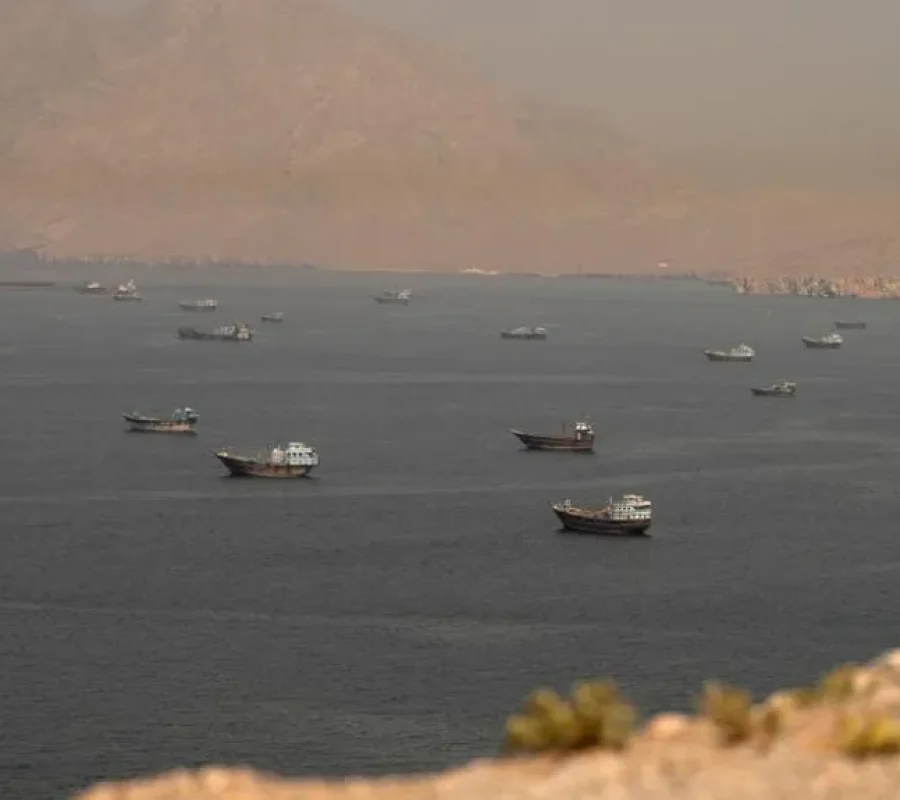
Chronic Container Delays at Tema Port Threaten Ghana's Trade Competitiveness
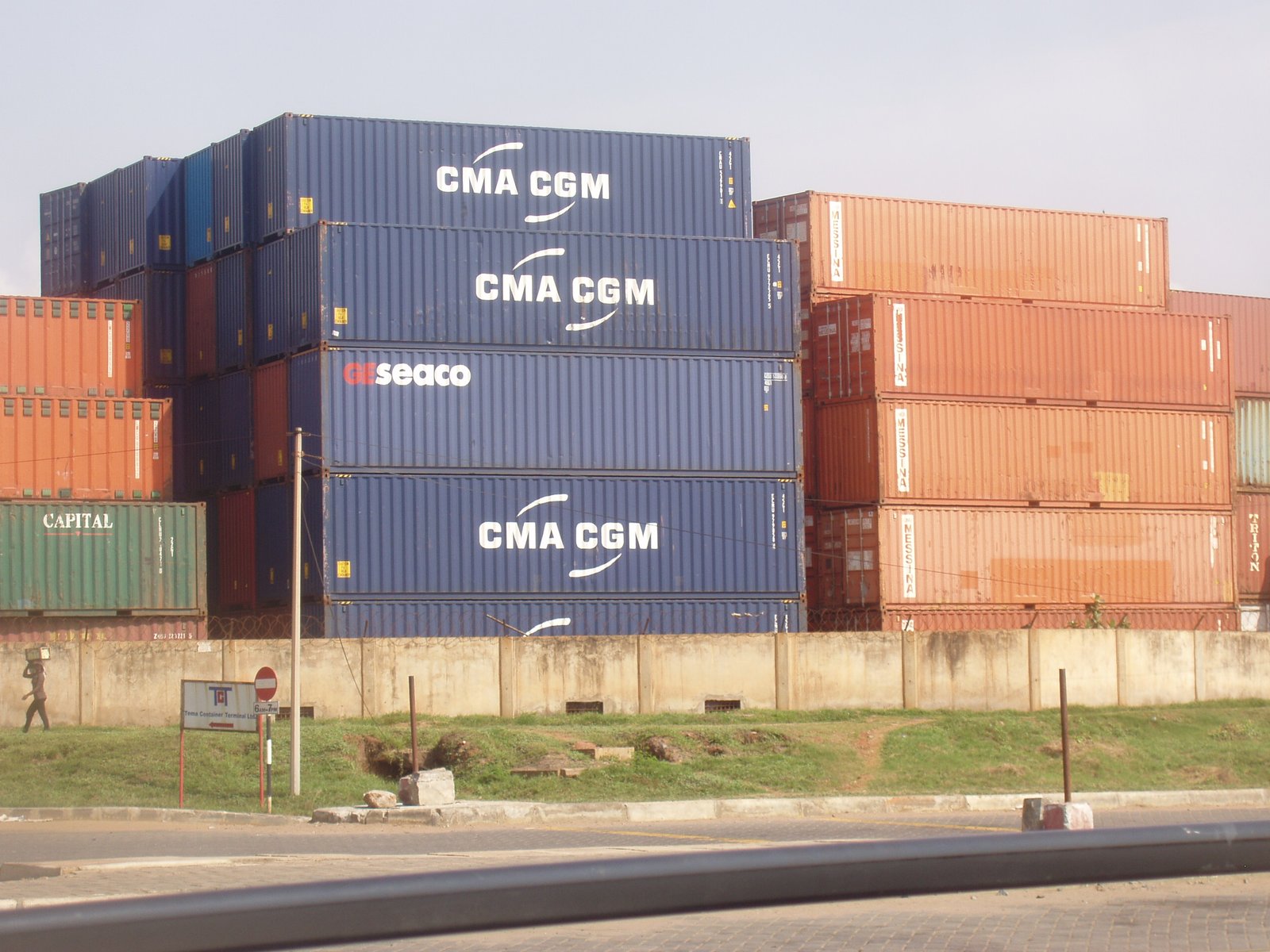
Ghanaian importers and exporters are facing mounting financial pressures due to chronic delays in evacuating containers from the Port of Tema’s Terminal 3 to inland depots, a persistent bottleneck that threatens to undermine the country’s competitiveness as a regional trade hub.
The issue took center stage at the Second Quarter Bronze and Trade Associations’ Shipper Committee meeting, convened by the Ghana Shippers’ Authority in Accra on July 2, 2026. Representatives from various sectors including aviation, maritime, logistics, standards, and communications joined traders with annual import and export volumes under one million dollars to address the growing crisis.
According to a statement from the Ghana Shippers’ Authority, the core problem lies in the extended dwell time of containers designated for inland facilities such as the Golden Jubilee Terminal. Despite importers fulfilling all statutory clearance requirements, these containers frequently remain stranded at Meridian Port Services’ Terminal 3 for weeks before being moved to their final destinations.
This protracted evacuation process triggers a cascade of avoidable expenses for businesses. As containers idle at the port, accumulated storage fees, demurrage charges, and other time-related costs continue to mount, directly eroding profit margins. More fundamentally, the unpredictability of clearance timelines disrupts supply chain planning and compromises the reliability that international trading partners demand.
“The prolonged clearance and evacuation process continues to affect supply chain efficiency, increase operational costs and undermine the competitiveness of Ghanaian businesses,” the Authority’s statement noted, highlighting how these inefficiencies reverberate through the broader economy.
Industry representatives called for concrete solutions, urging port authorities and regulatory bodies to establish realistic timelines for container evacuation and improve inter-agency coordination. The current situation, where bureaucratic procedures and logistical bottlenecks combine to create unpredictable delays, has become increasingly untenable for businesses trying to maintain just-in-time inventory systems and meet international delivery commitments.
Despite framing the challenges starkly, participants acknowledged the Ghana Shippers’ Authority’s role in creating a vital forum for dialogue between the public and private sectors. The committee commended the Authority for its persistent efforts to bring together regulators, service providers, and industry players to address systemic impediments to efficient trade facilitation.
In response to the discussions, Professor Ransford Edward Gyampo, Chief Executive Officer of the Ghana Shippers’ Authority, announced several initiatives aimed at alleviating the crisis. Most significantly, he revealed that registrations with the Authority would henceforth remain valid for 12 months before requiring renewal—a change designed to provide greater certainty and reduce administrative burdens for traders.
Gyampo explained that this extended validity period would enable businesses to more effectively leverage the benefits of the Integrated Customs Management System (ICUMS) and other trade facilitation programs, reducing the frequency of procedural interactions that can contribute to delays. He urged importers and exporters who had not yet registered to do so, emphasizing the protections available under the Ghana Shippers’ Authority Act, 2024 (Act 1122).
Reiterating the organization’s commitment to continuous engagement, Gyampo pledged that the Authority would sustain its stakeholder outreach efforts to foster an business environment conducive to efficient cargo movement and robust international trade. As part of this commitment, the Ghana Shippers’ Authority launched the Ghana EasyPASS initiative—a digital platform designed to streamline regulatory compliance procedures, minimize processing delays, and enhance transparency through standardized electronic documentation.
Industry analysts note that while terminal operations at Tema have seen significant investment in recent years, the interface between port facilities and inland transportation networks remains a critical vulnerability. The disconnect between efficient ship-to-shore operations and the subsequent movement of cargo to distribution centers creates a costly chokepoint that diminishes Ghana’s advantages as a gateway to West Africa’s landlocked nations.
Addressing this challenge will require coordinated action across multiple stakeholders: port operators must optimize yard planning and equipment allocation; customs agencies need to coordinate inspection schedules to prevent redundant examinations; and transportation providers must improve the reliability of inland haulage services. The Ghana EasyPASS platform represents a step toward digital integration, but its effectiveness will depend on widespread adoption and interoperability with existing port management systems.
As global supply chains continue to evolve toward greater speed and reliability, Ghana’s ability to minimize dwell times and reduce transaction costs at its ports will be increasingly determinant of its success in attracting and retaining international trade flows. The concerns raised at the Tema Port committee meeting serve as an important reminder that infrastructural investments alone cannot guarantee competitiveness—equally vital are the procedural efficiencies and institutional coordination that transform physical capacity into economic value.
Image Source: GHANA BUSINESS NEWS