Children, Elderly, and Persons with Disabilities Prioritized in Ghana's Flood Response
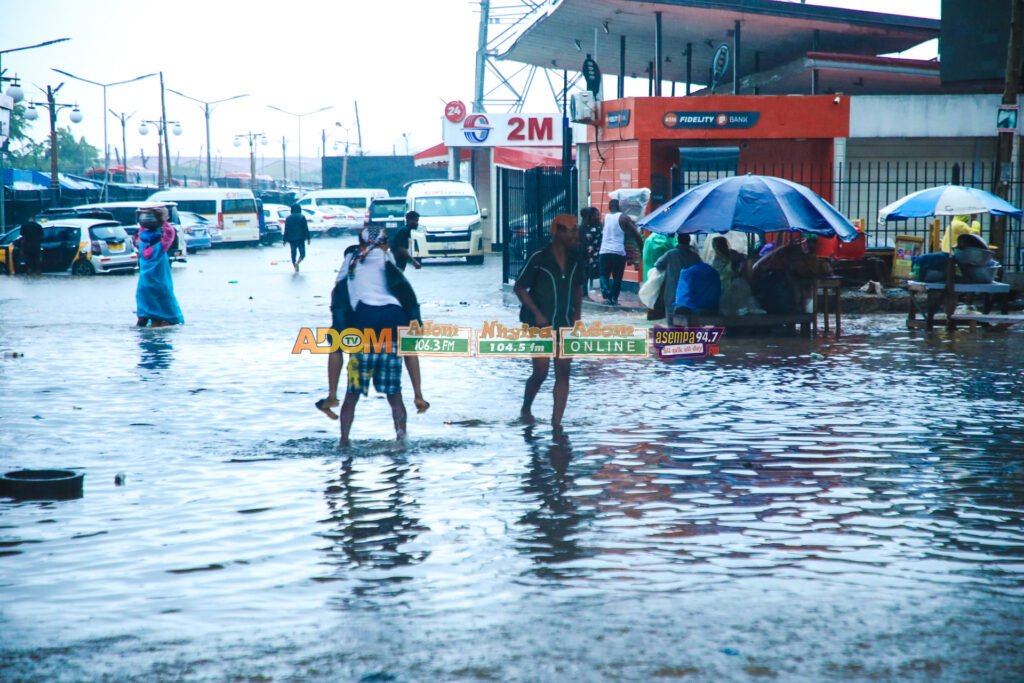
In the wake of devastating floods that have swept through parts of Ghana, the Ministry of Gender, Children and Social Protection has affirmed its commitment to shielding the most vulnerable members of society from the crisis. The ministry’s statement, issued on June 29, 2026, comes as floodwaters continue to inundate communities, particularly in the Greater Accra Region, where electrocution from submerged electrical systems has tragically claimed lives.
The ministry acknowledged the collective efforts of emergency responders, local authorities, security personnel, volunteers, and community members, praising their resilience and unity. It emphasized that social protection must remain at the forefront of both immediate relief and long-term recovery strategies. To this end, the ministry is coordinating with state institutions to ensure that children, the elderly, persons with disabilities (PWDs), and other at-risk groups receive targeted support.
“Government remains committed to safeguarding the welfare, dignity and wellbeing of those most at risk,” the statement declared, underscoring a principle that has guided national disaster response policies. The ministry urged families and communities to adopt simple but critical preparedness measures: securing important documents, maintaining updated emergency contact lists, and regularly checking on elderly neighbors and those living alone, especially persons with disabilities.
Parents and guardians were reminded to educate children on basic safety precautions during floods, while employers were encouraged to consider flexible working arrangements for staff affected by the disaster. Timely communication and emotional support for employees were also highlighted as essential components of workplace resilience.
The ministry’s focus on vulnerable groups is particularly pertinent given the circumstances in Alajo, a suburb of Accra where floodwaters entered homes, leading to electrocution incidents that resulted in three confirmed deaths. In Alajo, where floodwaters entered homes and caused electrocution fatalities [see related coverage](/church-in-alajo-flooded-residents-trapped-as-water-reaches-neck-level), the situation remains dire. The Greater Accra Regional Minister has directed MMDCEs to intensify rescue operations [as previously reported](/greater-accra-regional-minister-orders-mmddces-to-intensify-rescue-operations-following-widespread-flooding), underscoring the severity of the crisis.
As the nation grapples with the immediate aftermath, the ministry’s call for community cooperation serves as a reminder that effective disaster response extends beyond government action. Faith-based organizations, civil society groups, and individual citizens all have roles to play in bolstering social protection systems. By centering the needs of children, the elderly, and PWDs in both response and recovery efforts, Ghana aims not only to address the current crisis but to build a more inclusive and resilient society prepared for future challenges.
The recurring nature of flooding in Ghana’s urban centers underscores the urgent need for adaptive infrastructure and proactive disaster planning. As climate variability increases the frequency and intensity of extreme weather events, investments in early warning systems, resilient housing, and community-based disaster preparedness become indispensable. The ministry’s emphasis on protecting vulnerable populations aligns with global best practices in disaster risk reduction, which advocate for inclusive approaches that leave no one behind.
Image Source: MYJOYONLINE