Gov't to recruit 550 Arabic teachers to tackle staffing gap in Islamic schools
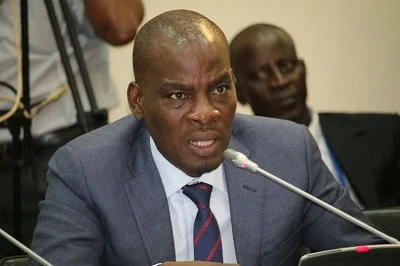
Ghana’s commitment to strengthening Islamic education received a significant boost as the government announced plans to recruit 550 Arabic teachers over the coming months to address a critical shortage affecting Islamic basic schools nationwide.
The initiative, unveiled by Education Minister Haruna Iddrisu during a meeting with the Conference of Regional Chief Imams in Accra, aims to bridge a substantial gap in instructional capacity. Current assessments reveal that while Ghana operates 1,299 Islamic basic schools, the country requires approximately 3,033 Arabic teachers to provide adequate instruction—yet only 706 such teachers are presently on the government payroll, leaving a deficit of roughly 2,512 instructors.
“The government has announced plans to recruit 550 Arabic teachers over the next several months to help address the critical shortage of instructors in Islamic schools across the country,” the announcement stated. The rollout will occur in phases, with an initial cohort of 50 teachers expected to be recruited by the end of July 2026, followed by an additional 500 permanent positions to be filled through the Ghana Education Service in January 2027.
This recruitment drive represents more than just a numerical fix; it signals a renewed commitment to preserving and enhancing Islamic educational traditions within Ghana’s diverse academic landscape. Minister Iddrisu emphasized the government’s dedication to “strengthening Islamic education and improving teaching and learning in Islamic basic schools,” while pledging close collaboration with the Conference of Regional Chief Imams and the Islamic Education Unit.
The timing of this initiative is particularly significant given the broader challenges facing Islamic education in Ghana. Beyond the immediate teacher shortage, officials have identified several systemic issues that undermine educational quality: the absence of a standardized Arabic curriculum and textbooks at the primary level, inadequate resources for effective monitoring and supervision, and insufficient office infrastructure for educational administrators.
These challenges collectively contribute to uneven learning outcomes across Islamic schools, where students often lack access to the same quality of Arabic language instruction available in other educational contexts. The teacher shortage exacerbates these issues, forcing existing instructors to handle larger class sizes or teach outside their areas of expertise.
Education experts note that addressing teacher shortages in specialized subjects like Arabic requires more than just recruitment—it demands comprehensive support systems including ongoing professional development, adequate teaching materials, and proper administrative backing. The government’s acknowledgment of curriculum and infrastructural deficiencies suggests an awareness that recruitment alone will not suffice.
Interestingly, this initiative comes at a time when Ghana is simultaneously pushing for educational innovation in other sectors. Recent initiatives promoting digital literacy and technological integration in schools—such as programs aimed at merging athletic excellence with digital skills development—highlight a broader modernization agenda within the education sector. The Arabic teacher recruitment drive could be seen as part of this dual-track approach: preserving traditional educational strengths while embracing contemporary pedagogical advances.
For the Muslim community, which has long advocated for greater investment in Islamic education, this development represents a tangible response to persistent concerns about educational equity. The ability to access quality Arabic instruction not only supports religious education but also preserves linguistic and cultural heritage that enriches Ghana’s societal fabric.
As the implementation phases unfold over the coming months, stakeholders will be watching closely to see whether this initiative successfully addresses both the immediate staffing gaps and the deeper systemic challenges that have hindered Islamic educational development. The success of this program could serve as a model for addressing similar shortages in other specialized subject areas across Ghana’s educational landscape.
Image Source: MYJOYONLINE