UNICEF Ghana Hackathon awards local innovators advancing climate-resilient sanitation for children in Northern Ghana
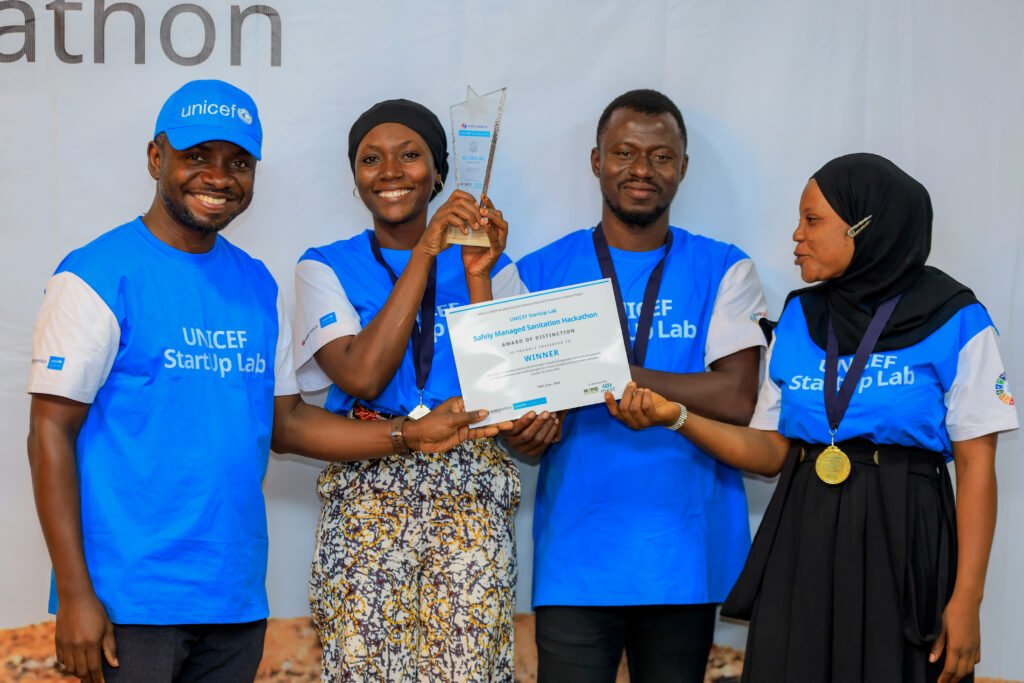
The UNICEF Ghana Hackathon has crowned local innovators with groundbreaking climate-resilient sanitation solutions, highlighting a critical step toward safeguarding children’s health in Northern Ghana’s vulnerable communities.
Latrine Doctors emerged victorious, securing the first-place prize of $2,600 for their innovative approach to sustainable sanitation. The team also earned recognition for Best Pitch Delivery, underscoring the clarity and impact of their presentation.
The hackathon, organized by UNICEF Ghana, brought together developers, designers, and researchers from across the nation to tackle one of the most pressing challenges facing children in underserved regions: sanitation systems strained by frequent flooding and prolonged dry spells. These climate-induced extremes threaten to undermine decades of progress in waterborne disease prevention.
By focusing on safe containment and treatment of human waste, the winning solution offers a scalable model that could be replicated across similar ecological zones. As Peter Gyamfi Kwarteng, Chief Field Office for UNICEF Tamale, noted, “This hackathon highlights the power of local innovation in addressing one of the most urgent challenges facing children in Northern Ghana.”
The event underscored a broader truth: climate resilience is not merely about infrastructure but about empowering communities to adapt. Following a nationwide selection process, 22 innovators from 10 teams across six regions competed, developing solutions ranging from data-driven sanitation tools to improved faecal sludge management systems and smart monitoring frameworks.
Other notable awards included:
- Second place ($1,600): EcoHusk Innovations
- Third place ($1,100): Chain Closers (also recognized for Best Progress/Iteration and Best Community Integration)
- People’s Choice Award: The Umoja Foundation Team
- Most Accessible Solution: Washking ClimateSafe
- Best Smart Monitoring & Data Solution: DivaHack
The UNICEF StartUp Lab, an accelerator programme established in 2019 with support from the Government of the Republic of Korea through KOICA, continues to nurture such innovations. By providing mentorship, technical support, and access to networks, the programme helps young Ghanaian entrepreneurs scale their impact.
This initiative aligns with global efforts to ensure that climate adaptation strategies prioritize the most vulnerable. As highlighted in a recent UN agency report, children worldwide are increasingly exposed to climate hazards, making localized solutions like those showcased at the hackathon indispensable.
Furthermore, the hackathon’s focus on sanitation dovetails with Ghana’s sustainable development goals. As noted in analysis of UNICEF-supported SDG progress, strong budget accountability is pivotal for Ghana to meet its 2030 targets—particularly in areas like clean water and sanitation where innovative financing and community engagement can drive meaningful change.
With climate change intensifying environmental pressures, the hackathon represents a timely investment in homegrown ingenuity. By centering local expertise, UNICEF Ghana ensures that solutions are not only technically sound but also culturally relevant and economically viable for the communities they aim to serve.
Image Source: MYJOYONLINE