How antibiotic abuse is fueling deaths in Ghana
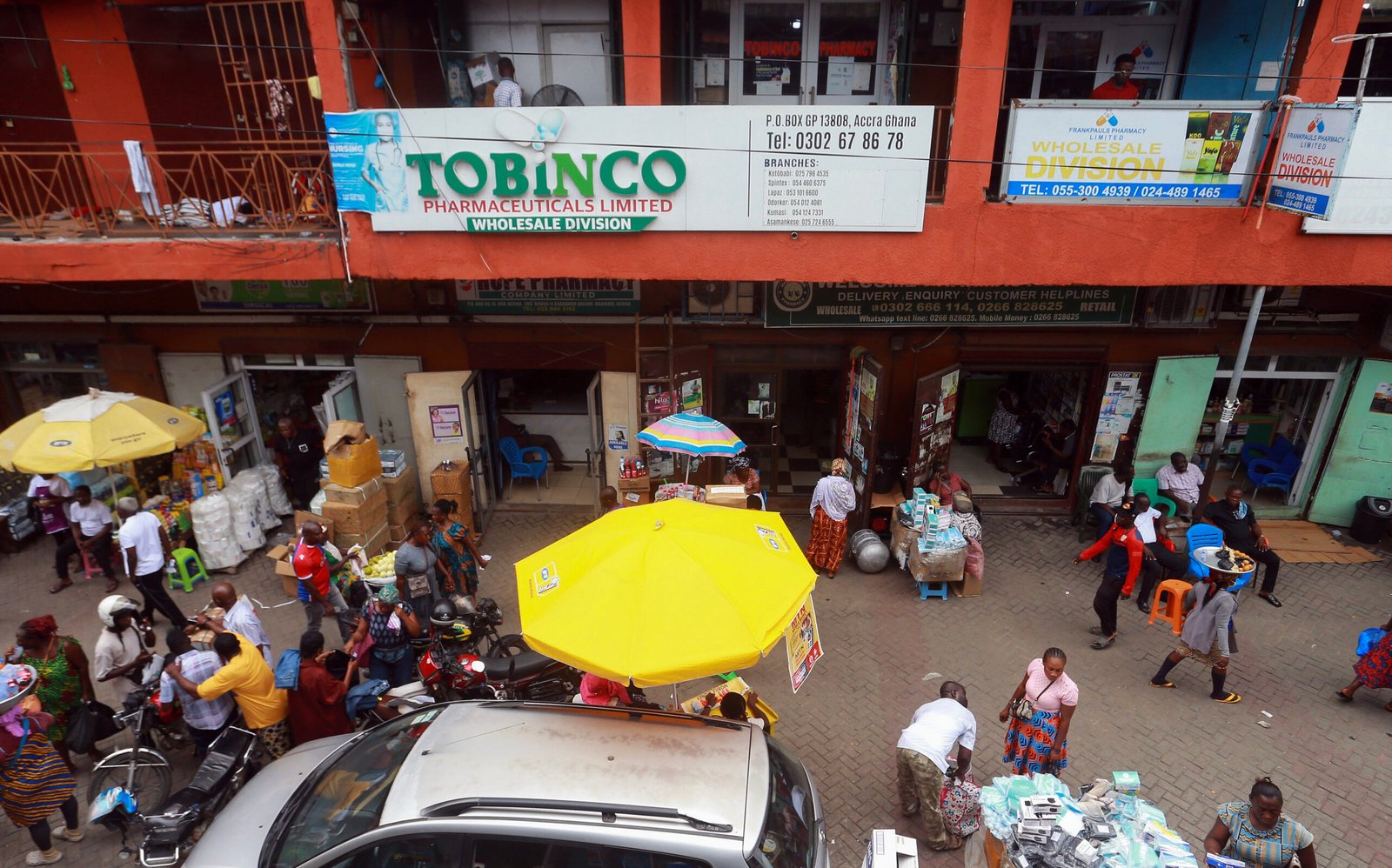
Antibiotic misuse is driving a silent epidemic of drug-resistant infections across Ghana, threatening to reverse decades of medical progress and claim countless lives.
The crisis is vividly illustrated by the case of Kofi, a 38-year-old tro-tro driver from Accra, who contracted a methicillin-resistant Staphylococcus aureus (MRSA) infection after self-medicating with amoxicillin for what he believed was a routine fever. Despite hospitalization and a switch to vancomycin, a last-resort antibiotic, Kobi endured an 18-day hospital stay—five days longer than average—incurring approximately GH₵12,232 in additional costs and lost income.
Kofi’s ordeal is far from isolated. Investigations reveal a pervasive pattern of self-medication fueled by inadequate access to formal healthcare. Many Ghanaians, particularly daily-wage earners, bypass clinics due to cost, distance, and long wait times, opting instead to purchase antibiotics from unlicensed street vendors for as little as two cedis. Though illegal, this practice persists with minimal enforcement, as offenders often face little more than a warning before returning to trade.
The problem extends to licensed pharmacies, where investigators found antibiotics routinely dispensed without prescriptions. In Sunyani and Accra, pharmacy staff admitted to selling drugs like cephalexin and trimethoprim-sulfamethoxazole based solely on customer requests, ignoring legal requirements for physician authorization. One pharmacist candidly admitted, “We also have to make profits,” revealing how economic pressure undermines regulatory compliance.
This misuse accelerates antimicrobial resistance (AMR), a global health threat where bacteria evolve to withstand drugs designed to kill them. In Ghana, resistance to common antibiotics like amoxicillin and azithromycin exceeds 80 percent in some strains, turning routine infections into lethal threats. The country now ranks 36th globally in age-adjusted mortality from AMR, a stark reflection of the crisis.
Experts trace the roots to systemic weaknesses: a fragmented drug supply chain, inadequate regulatory oversight, and chronic underfunding of institutions like the Food and Drugs Authority (FDA). With only 683 staff nationwide to monitor pharmaceuticals for 36 million people, the FDA struggles to patrol markets, ports, and distribution networks. Efforts to collaborate with the Pharmacy Council of Ghana on training and surveillance are hampered by resource constraints.
Yet solutions exist. Strengthening enforcement of prescription-only regulations, expanding access to affordable healthcare, and launching public education campaigns about the dangers of self-medication could curb the tide. The FDA’s participation in the International Centre for Antimicrobial Resistance Solutions (ICARS) initiative offers hope, but success hinges on sustained political will and investment.
Without urgent action, Ghana risks entering a post-antibiotic era where common infections become untreatable, reversing gains in maternal and child health and jeopardizing economic productivity. The battle against AMR is not merely a medical challenge—it is a fight for the nation’s future.
Image Source: GHANA BUSINESS NEWS