Four dead, 5 critical as 8 houses collapse after torrential rainstorm in Cape Coast
Torrential rains expose Cape Coast’s infrastructure vulnerabilities as death toll rises
When extreme weather events strike coastal communities, they often reveal more than just immediate destruction – they lay bare systemic vulnerabilities that have accumulated over years of neglected infrastructure and inadequate urban planning. Such is the case in Cape Coast, Ghana, where a weekend of torrential rainfall has left four people dead, five critically injured, and hundreds displaced, exposing critical weaknesses in the city’s drainage systems and housing regulations.
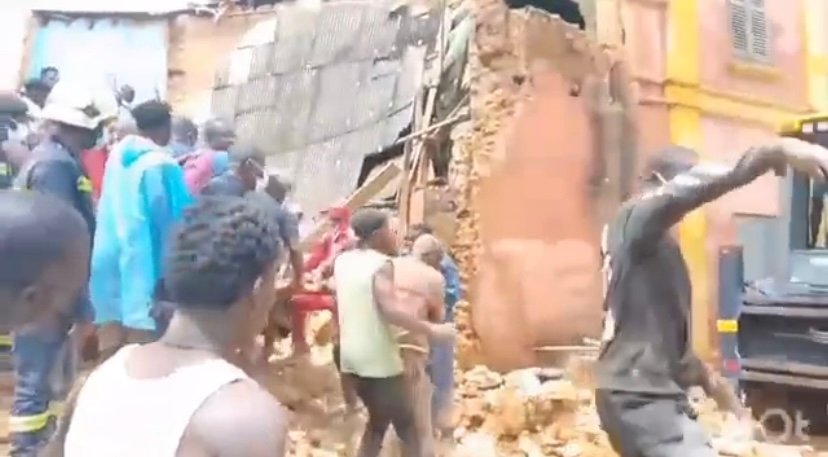
The devastation unfolded after heavy rains lashed the coastal city on Friday, June 19 and again on Sunday, June 21, 2026, triggering severe flooding that overwhelmed both natural and man-made drainage channels. Eight residential structures, predominantly traditional mud buildings unable to withstand the waterlogged conditions, collapsed under the relentless pressure, trapping occupants and prompting frantic rescue efforts.
According to the Cape Coast Metropolitan Assembly, the human toll includes four confirmed fatalities – three of whom are children – while five additional victims remain in critical condition receiving treatment at Ewim Polyclinic and Cape Coast Teaching Hospital. The disaster has displaced approximately 736 residents, many of whom have lost not only their homes but also personal belongings and sources of livelihood in a single catastrophic event.
We have witnessed firsthand the devastating impact of these floods on our communities, stated Metropolitan Chief Executive George Justice Arthur, who personally visited both injured survivors and bereaved families to offer condolences and assess needs. The scale of destruction underscores the urgent need for comprehensive intervention.
The geographical scope of the flooding paints a worrying picture of systemic vulnerability. Waters rose to dangerous levels across multiple neighborhoods including Ekon, Abura, Ameen Sangari, DVLA/Nokanss, Episkia, Mmeaasem, Adisadel, Nkanfoa, and significant portions of the University of Cape Coast enclave – areas that represent both established communities and important educational institutions.
In the immediate aftermath, emergency response teams from the Assembly have begun the somber task of demolishing collapsed structures, a precautionary measure aimed at preventing further casualties as unstable weather patterns persist. This reactive approach, while necessary for public safety, highlights a troubling pattern where preventive measures often receive insufficient attention until tragedy strikes.
Looking beyond immediate relief efforts, officials have announced plans to develop a comprehensive drainage infrastructure designed to address Cape Coast’s long-standing flooding challenges. This challenge mirrors similar struggles faced by other Ghanaian urban centers, where effective water management requires not just technical solutions but also coordinated governance approaches [as highlighted in recent discussions about Accra’s flood challenges](/assemblies-parliament-must-work-together-to-tackle-flooding-in-accra). In the interim, work crews have commenced desilting operations on choked gutters and waterways in affected communities – a basic maintenance task that, when neglected, can exponentially worsen flood impacts during heavy rainfall events.
Perhaps most significantly, the Metropolitan Assembly has signaled its intention to enforce existing building regulations more rigorously, particularly concerning construction on environmentally sensitive areas. Authorities have announced plans to demolish structures erected on waterways, storm drains, and unauthorized locations – buildings that often lack proper permits and pose significant risks during periods of intense precipitation.
We are committed to supporting displaced families while working to restore safety and improve drainage infrastructure to prevent future disasters, the Assembly stated in an official release, adding that residents have been formally cautioned against indiscriminate waste dumping, with violators facing prosecution under existing environmental sanitation laws.
This incident serves as a stark reminder that climate resilience requires more than just emergency response capabilities. It demands sustained investment in infrastructure, strict enforcement of building codes, and proactive community engagement – elements that, when absent, transform natural hazards into human catastrophes. As Cape Coast begins the painful process of recovery and rebuilding, the true test will lie in whether lessons learned from this tragedy translate into meaningful, long-term change.