Italy’s Meloni says Trump ‘made up’ story that she ‘begged’ him for photo at G7
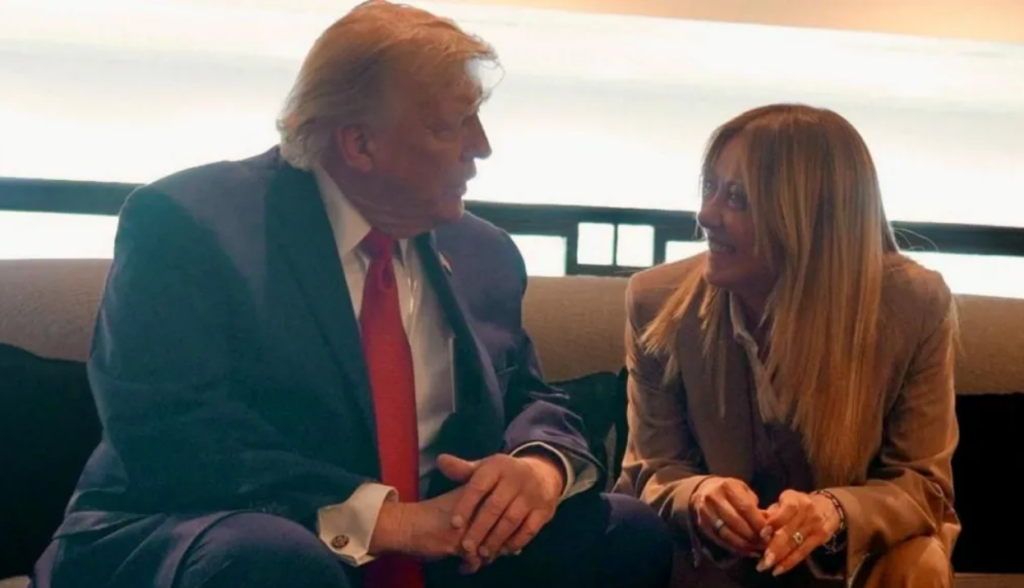
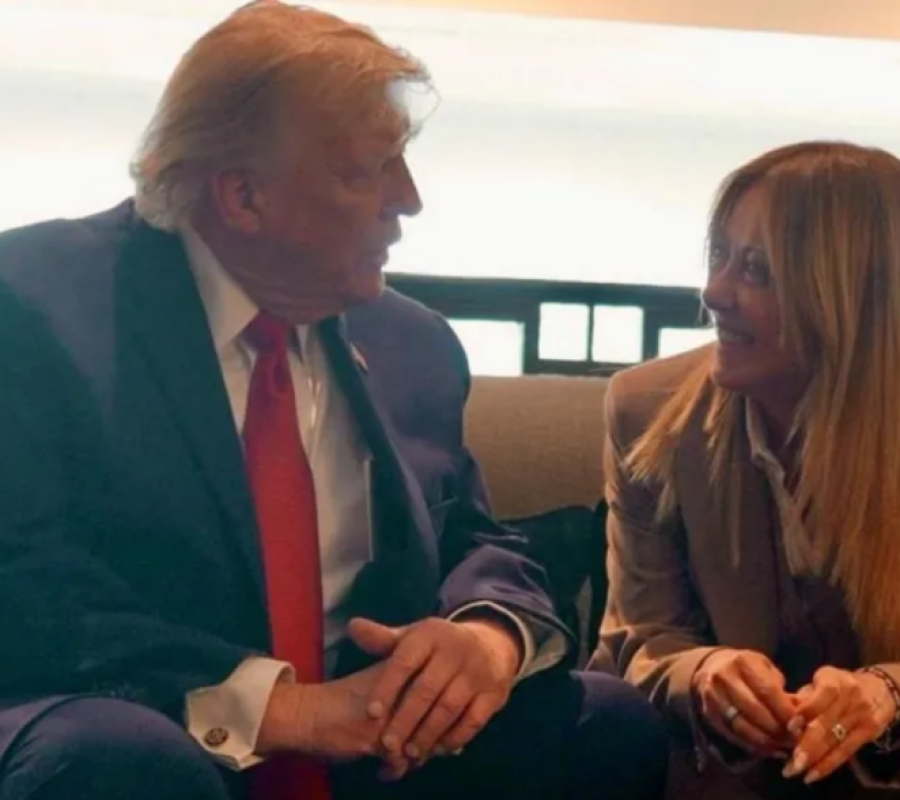
Italy’s Prime Minister Giorgia Meloni has rebuked former U.S. President Donald Trump for claiming she begged him for a photograph during the recent G7 summit in Evian-les-Bains, France, calling the allegation “made up” and a regrettable distraction from pressing global challenges.
In an interview with Italy’s La7 television, Trump recounted that Meloni had sought a photo with him at the summit, saying he obliged out of pity. Meloni responded swiftly on Instagram, where she addressed her seven million followers: “I’m frankly stunned… I don’t know why the US president behaves this way towards allies… neither I nor Italy ever beg.” She further criticized Trump for failing to show similar resolve toward adversaries of the West and the United States, suggesting his focus lay elsewhere.
The exchange has strained already fraught relations between Rome and Washington, which have deteriorated since Trump’s decision to engage militarily with Iran. Meloni, who was the sole European leader to attend Trump’s inauguration in early 2025, has openly opposed the Iran conflict, prompting Trump to question her resolve. Italian Foreign Minister Antonio Tajani cancelled a planned trip to the United States in protest, while President Sergio Mattarella phoned Meloni to express solidarity.
Political leaders across Italy’s spectrum defended Meloni’s dignity. Filippo Sensi of the Democratic Party denounced the remarks as arrogant and unbecoming of a U.S. president. Giuseppe Conte of the Five Star Movement argued that Italy deserved better than to have its prime minister’s stature diminished for political theater. Even allies within Meloni’s own Brothers of Italy party, such as Senate leader Lucio Malan, characterized the incident as part of a broader pattern of offensive behavior that ultimately harms Trump’s own reputation. Matteo Salvini of the League declared that an attack on Meloni is an attack on all Italians.
Beyond the personal slight, the episode underscores how individual disputes between leaders can escalate into diplomatic friction with tangible consequences. The public nature of the rebuke risks undermining confidence in Italy-U.S. cooperation on issues ranging from trade to security, particularly as NATO navigates shifting priorities. Moreover, it highlights the heightened scrutiny faced by women in leadership, where personal anecdotes are sometimes weaponized to undermine authority.
As the G7 summit concluded, the focus remained on collective challenges: supporting Ukraine, addressing climate change, and managing economic instability. The Meloni-Trump exchange, while distracting, serves as a reminder that personal conduct among allies can have ripple effects that extend far beyond the summit’s final communique.
Image Source: MYJOYONLINE