Dutch to return 2,000 artefacts to Ghana as Reparatory Justice Conference secures major commitments
The Netherlands has pledged to return 2,000 cultural artefacts to Ghana, a commitment made during the Next Steps Reparatory Justice Conference held in Accra on June 19, 2026. The artefacts, which have been catalogued by Dutch authorities, were symbolically presented to President John Dramani Mahama as part of a broader effort to address historical injustices related to colonialism and the trans-Atlantic slave trade.
The conference, attended by officials from several European nations, yielded concrete commitments beyond the Dutch pledge. Germany declared its intention to return artefacts it has identified as belonging to Ghana, while Denmark announced a partnership to preserve historic slave forts and castles along the Ghanaian coast. France, represented by President Emmanuel Macron, pledged to establish a scientific commission aimed at locating and repatriating African cultural artefacts held abroad.
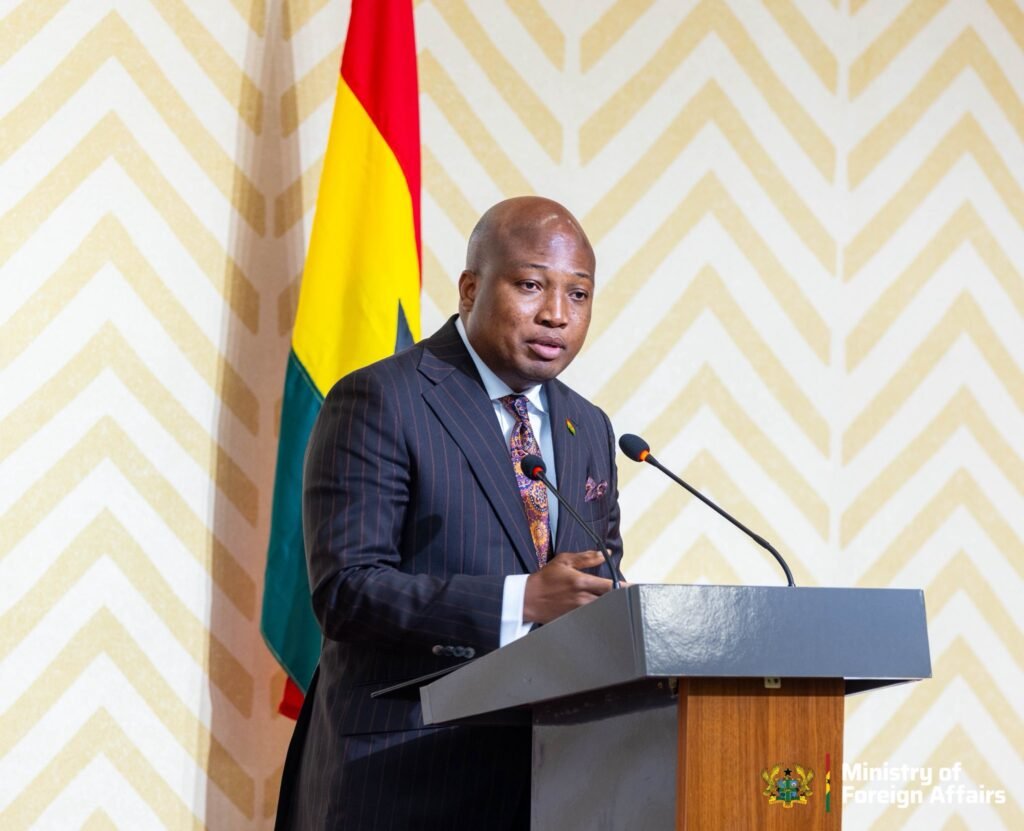
Samuel Okudzeto Ablakwa, Ghana’s Minister for Foreign Affairs, highlighted the significance of the conference’s outcomes. “What should excite all of us is the other achievements that we have documented in this Next Steps conference,” he stated. “At this conference we received great news from the Dutch government that they have catalogued 2,000 artifacts that they have decided to return to their motherland and they carried out a symbolic presentation last night to President John Dramani Mahama.”
Ablakwa also noted commitments from other European nations: Germany’s declaration to return identified artefacts, Denmark’s pledge to work with Ghana to preserve castles built during the colonial era, and France’s plan to create a scientific commission to track and return artefacts.
The conference marks a shift from dialogue to tangible action in the reparatory justice movement. By providing a documented catalogue of the 2,000 artefacts and attaching it as the first annex to the conference outcome document, the Netherlands has set a precedent for transparency in restitution efforts. Similar commitments from Germany, Denmark, and France suggest a growing multinational consensus on the need to address the legacy of colonialism through concrete measures such as artefact return and preservation of historical sites.
These developments are particularly significant for Ghana, which has long advocated for the return of cultural artefacts taken during the colonial period. The preservation of slave forts and castles, many of which were built by European powers, serves not only to memorialize the victims of the trans-Atlantic slave trade but also to educate future generations about this dark chapter in history.
As the international community continues to grapple with the complexities of reparatory justice, the commitments made at the Accra conference offer a model for how nations can move beyond acknowledgment to meaningful action. The focus on scientific collaboration, as seen in France’s proposed commission, underscores the importance of evidence-based approaches to locating and returning displaced cultural heritage.
This momentum builds upon Ghana’s ongoing leadership in the reparatory justice arena. Earlier this year, President Mahama [led a global call for reparatory justice at a landmark Accra conference](/mahama-leads-global-call-for-reparatory-justice-at-landmark-accra-conference), urging the international community to transition from acknowledgment to concrete steps. The Next Steps conference represents a realization of that call, with European nations delivering on promises to return cultural heritage and preserve historical sites.
Furthermore, the establishment of dedicated panels to drive the reparations agenda forward, as announced by the President in another initiative, demonstrates a sustained institutional approach to addressing historical wrongs. These panels will likely work to monitor and advance the commitments made at conferences like the one in Accra, ensuring that pledges translate into measurable outcomes. [Mahama’s establishment of three global panels to drive the international reparations agenda](/mahama-establishes-three-global-panels-to-drive-international-reparations-agenda) provides the structural framework necessary for long-term progress in this critical area.
While the return of 2,000 artefacts is a substantial step, it represents only a fraction of the cultural items held in European museums and private collections. Nevertheless, the conference has reinvigorated the reparatory justice agenda and demonstrated that concrete progress is achievable through diplomatic engagement and mutual accountability.
Image Source: MYJOYONLINE