Celebrating the Life and Legacy of Thomas 'Mac' Scofield
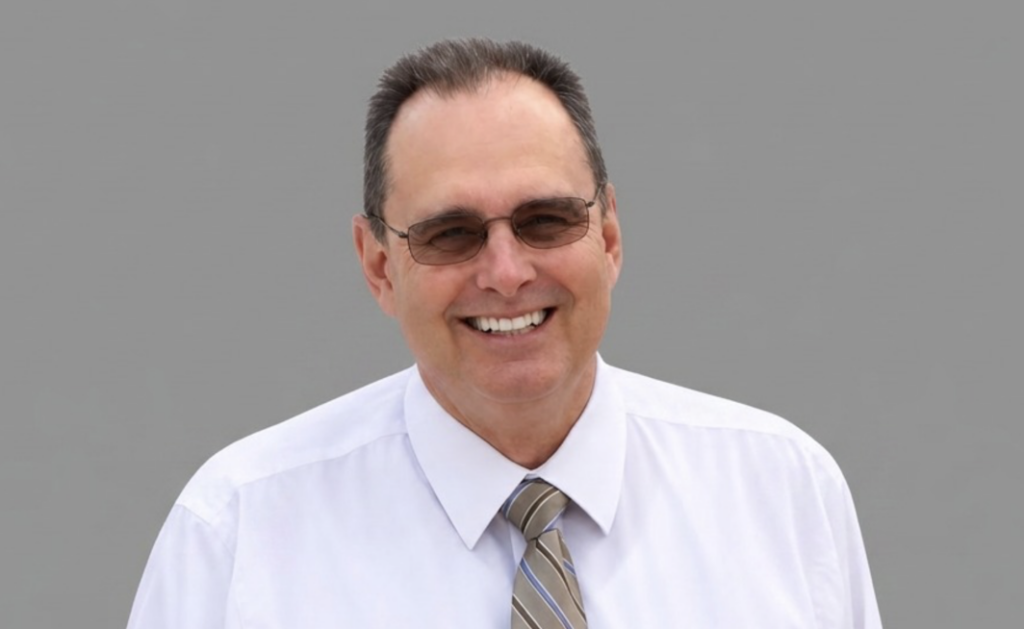
Thomas “Mac” Scofield did not seek headlines. He sought solutions. The visionary technologist, whose work fundamentally altered how health data moves across Ghana’s medical system, has been remembered this week by colleagues, partners, and the broader health community following his passing — a loss that has been felt deeply across an industry he helped to modernise from the inside out.
Scofield’s defining achievement was his role in advancing LHIMS, Africa’s first Health Information Exchange. The platform enables secure, seamless sharing of patient data across more than 450 health facilities nationwide, giving clinicians access to the records they need to make informed decisions regardless of where a patient has previously received care. In a country where fragmented medical records have long compromised continuity of care, LHIMS represented a generational leap.
What set Scofield apart, colleagues say, was not just his technical ability but his insistence on equity. He travelled extensively to remote and underserved communities during the system’s assessment and implementation phases, determined that no Ghanaian should be left behind by the digital transition. The eHealth system now supports clinicians and patients at 110 facilities under the Christian Health Association of Ghana (CHAG), extending its reach into communities that the public health system alone does not always serve.
Ghana’s healthcare sector has seen a growing number of innovation milestones in recent years. Nova Wellness Center recently marked thirteen years of integrative health practice, a milestone its founder described as evidence of rising demand for modern, patient-centred care. Scofield’s work operated at a different scale — infrastructure rather than clinical practice — but it shared the same conviction: that Ghana’s health system can and must be rebuilt to serve everyone, not just those within reach of urban hospitals.
Those who worked alongside him recall a man defined by passion, humility, and purpose. His characteristic question — “Is there anything I can do to help?” — was not a pleasantry but a genuine offer, repeated so often that it became a kind of professional signature. It reflected a service mindset that drove him to spend weeks away from home, troubleshooting systems in district hospitals and community clinics, ensuring that the technology actually worked where it was needed most.
The legacy Scofield leaves is not merely a software platform. It is a proof of concept: that African-built health technology, designed with equity at its core, can operate at national scale. As Ghana continues to invest in digital health infrastructure — and as other countries on the continent look for models to emulate — the foundation he helped lay will continue to shape how millions of Ghanaians receive care.
The health community has lost one of its quiet architects. But the systems he built, and the principle that guided him — that no one should be left behind — endure.
Image Source: MYJOYONLINE