As Cote d’Ivoire Slashes Cocoa Prices, Ghana Refuses to Follow Suit
Across West Africa’s cocoa belt, falling international prices have forced a reckoning. In Abidjan, the response has been immediate and mechanical: when global cocoa prices dip, the farmgate price follows. In Accra, the reaction has been altogether different — and deliberately so.
Ghana’s Cocoa Board confirmed this week that the country’s cocoa producer price will remain unchanged for the remainder of the 2026 season, even as its largest regional rival, Côte d’Ivoire, has moved in the opposite direction by cutting payments to farmers in line with the global downturn.
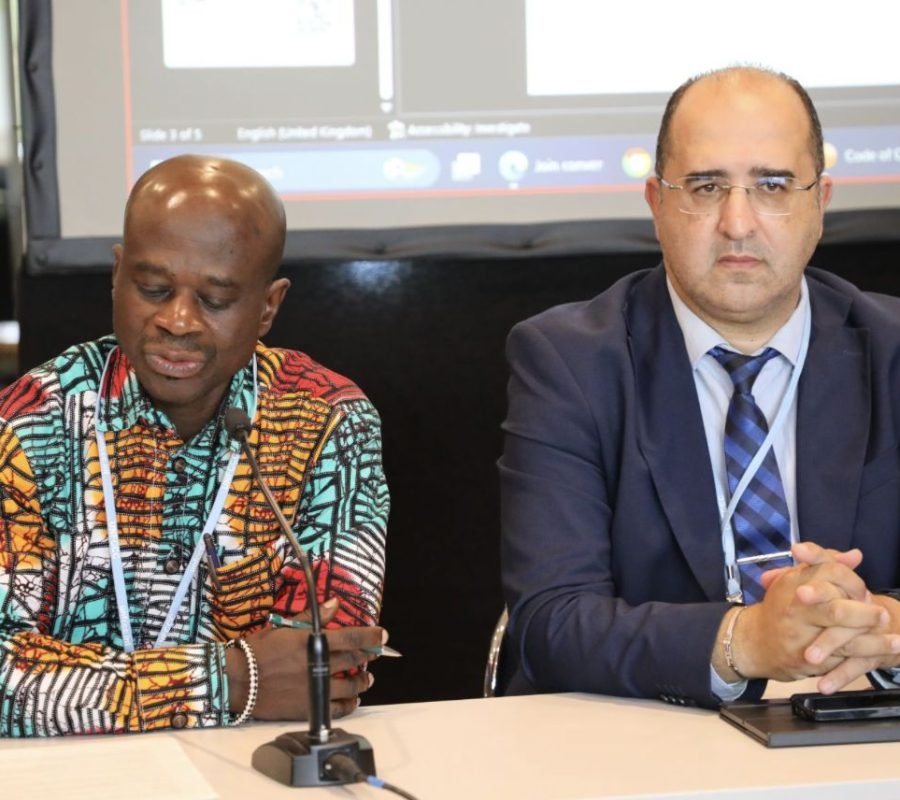
“Should you come to Côte d’Ivoire, where I find myself today, that’s what is happening, because they are having changes as and when the prices dip,” said Jerome Sam, COCOBOD’s Head of Public Affairs. “We took a decision that the farmer has already been hit, so we need to make sure that the prices remain unchanged.”
The contrast between the two countries — the world’s first and second largest cocoa producers — reflects fundamentally different approaches to managing the commodity’s notorious price volatility. Côte d’Ivoire’s model ties producer prices closely to world market fluctuations, offering farmers the upside when prices surge but exposing them fully when they fall. Ghana’s system, by contrast, is designed to provide a buffer, holding prices steady through the season and shielding growers from short-term shocks.
That buffer has come under strain this year. Unusual disruptions that began in late 2025 forced COCOBOD to conduct a mid-season price review in February — a break from the country’s long-standing pricing convention. The review itself generated heated public discussion, but the government’s latest decision to freeze the revised price signals a determination to avoid compounding farmers’ difficulties with a second downward adjustment.
“If we are to consider what is prevailing on the international market, then of course the price would have gone down again,” Sam acknowledged. “But government took into consideration the income levels of the ordinary farmer.”
The policy choice carries significant implications for Ghana’s competitive position. By maintaining higher farmgate prices than its neighbour, Ghana risks making its cocoa relatively more expensive for buyers. But the government appears willing to accept that cost in exchange for preserving farmer loyalty and social stability in cocoa-growing regions.
For the growers themselves, the decision provides a measure of relief in a season that has tested the resilience of the entire value chain. Cocoa remains central to Ghana’s economy, and the sector’s ability to sustain livelihoods in rural communities depends in no small part on the confidence that prices will not collapse beneath them.
As the season draws toward its close, the divergence between Accra and Abidjan offers a case study in how two neighbouring producing nations can chart very different courses through the same commodity downturn — and what those choices reveal about their priorities.
Image Source: MYJOYONLINE