African Countries Urged to Embed Climate Education in National Climate Policies
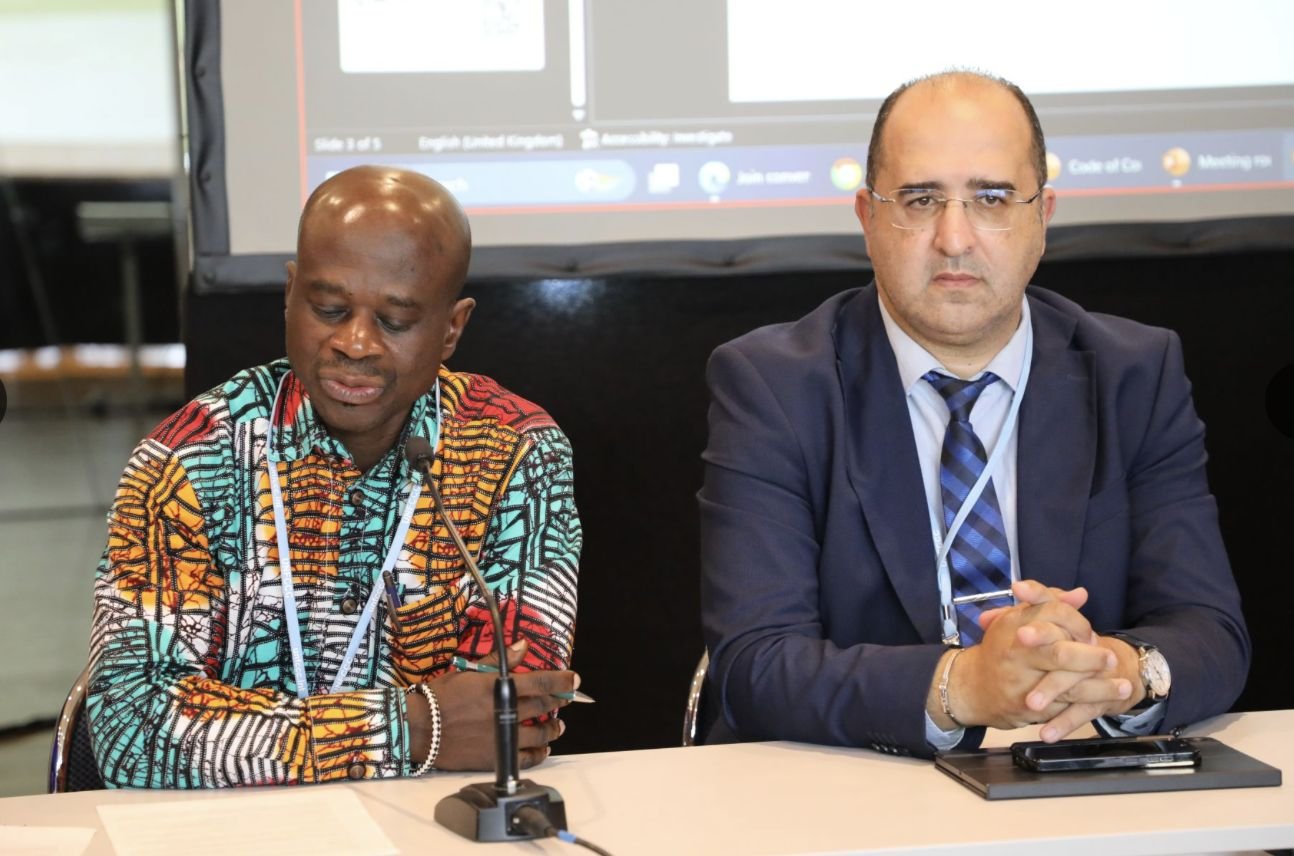
Dr Nana Antwi-Boasiako Amoah, Chair of the African Group of Negotiators (AGN) on Climate Change, has called for climate education to be embedded directly into national climate policies across the continent, arguing that investments in adaptation and climate finance will remain limited unless citizens are equipped with the knowledge to act on them.
Speaking at a side event on Education for Sustainable Development and Climate Action at the UN climate meetings (SB64) in Bonn, Dr Amoah stressed that the future of climate action in Africa will be shaped not only in negotiating rooms, but also in classrooms, farms, local councils, universities, community centres and homes.
The call comes at a time when the continent faces mounting climate impacts despite contributing little to global greenhouse gas emissions. Floods, droughts, and extreme heat are already disrupting schools across the region, reducing learning opportunities for children and compounding the vulnerability of communities that depend on agriculture and natural resources for their livelihoods.
Dr Amoah outlined four priority actions for African governments. First, climate education should be integrated into national climate and education plans simultaneously. Second, governments must invest in teacher training and develop appropriate learning materials that reflect local realities. Third, education systems themselves must become climate-resilient through climate-proof school infrastructure and digital resources. Fourth, young people must be placed at the centre of climate action and decision-making.
The AGN Chair argued that climate literacy enables better planting decisions for farmers, improved flood and heat planning by local authorities, the development of green businesses, and meaningful youth participation in governance. These outcomes, he said, align with Sustainable Development Goal 4.7 on Education for Sustainable Development and should be treated as a climate action priority rather than a peripheral concern.
The call for climate education builds on broader momentum among African leaders to assert greater agency over the continent’s development trajectory. As recently demonstrated at continental energy forums, there is a growing recognition that Africa’s vast natural resources and youthful population represent untapped potential that can only be unlocked through deliberate investment in knowledge and institutions.
Dr Amoah also urged governments to establish monitoring systems to track the integration of climate education into policies, curricula and teacher training programmes, with particular attention to ensuring that vulnerable groups — girls, rural learners, and displaced children — are not left behind.
The African Group of Negotiators, he said, will continue to push for international support that strengthens institutions, empowers youth, and facilitates the fair and practical implementation of the Paris Agreement across the continent. The Action for Climate Empowerment framework, a UN mechanism for advancing education, training, public awareness and participation in climate responses, offers a practical pathway for turning these commitments into reality.
Image Source: GHANA BUSINESS NEWS