Bank of Ghana Extends Registration Deadline for International Money Transfer Operators
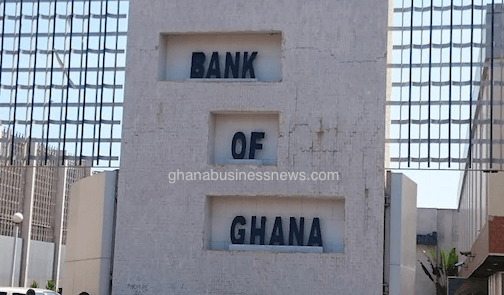
The Bank of Ghana has extended the deadline for the registration of International Money Transfer Operators (IMTOs) to July 31, 2026, giving remittance service providers additional time to comply with the central bank’s regulatory requirements.
The extension, announced on Sunday, comes as the central bank seeks to bring the international remittance market under tighter oversight. Ghana’s international remittance inflows are a critical source of foreign exchange, with the country receiving billions of dollars annually from its diaspora communities across Europe, North America, and the Middle East.
Why Registration Matters
The registration exercise is part of the Bank of Ghana’s broader effort to formalise and regulate the international money transfer sector. For years, a significant portion of remittance flows into Ghana has moved through informal channels — including hand-carried cash and unlicensed operators — depriving the central bank of accurate data and exposing senders and recipients to risks.
By requiring all IMTOs to register, the Bank of Ghana aims to create a comprehensive database of licensed operators, improve transparency in the remittance market, and ensure that consumers are protected when transferring funds across borders. The move also aligns with international best practices for anti-money laundering and combating the financing of terrorism.
The deadline extension suggests that the compliance process has proven more complex or time-consuming than initially anticipated. Industry sources indicate that some smaller operators have struggled to meet the documentation and capital requirements within the original timeframe, prompting the central bank to grant additional breathing room.
Remittances and the Cedi
International remittances play a vital role in Ghana’s balance of payments. The country is one of the top recipients of remittances in sub-Saharan Africa, with funds flowing in from Ghanaians living and working abroad. These inflows provide crucial foreign exchange that helps support the cedi and finance imports.
The central bank’s interest in regulating IMTOs is therefore not merely a consumer protection exercise but also a macroeconomic management tool. By ensuring that remittance flows move through formal, regulated channels, the Bank of Ghana can better track foreign exchange inflows and manage the country’s external reserves.
This is particularly significant given the pressures the cedi has faced in recent years. The government has been exploring various strategies to stabilise the currency and attract foreign exchange, including recent treasury bill auctions that saw oversubscription but at higher borrowing costs. Bringing remittance operators into the formal regulatory fold is one piece of that larger puzzle.
Impact on Consumers
For the millions of Ghanaians who depend on remittances from family members abroad, the registration exercise could have both positive and negative implications. On the positive side, a more regulated market should offer greater consumer protection, clearer dispute resolution mechanisms, and more transparent pricing.
However, there are concerns that tighter regulation could lead to the exit of smaller, lower-cost operators from the market, potentially reducing competition and increasing transfer costs. The dominance of a few large players in the formal remittance market has long been a concern for consumer advocates who argue that high fees eat into the funds that reach intended recipients.
The July 31 extension deadline will be closely watched by both operators and consumers. For IMTOs that have not yet registered, the additional six weeks represent a final window to bring their operations into compliance. For the Bank of Ghana, the exercise marks another step in its ongoing effort to modernise and regulate the country’s financial infrastructure.
Image Source: GHANA BUSINESS NEWS