AfDB to Become Largest Shareholder in Africa Guarantee Platform in Major Derisking Push
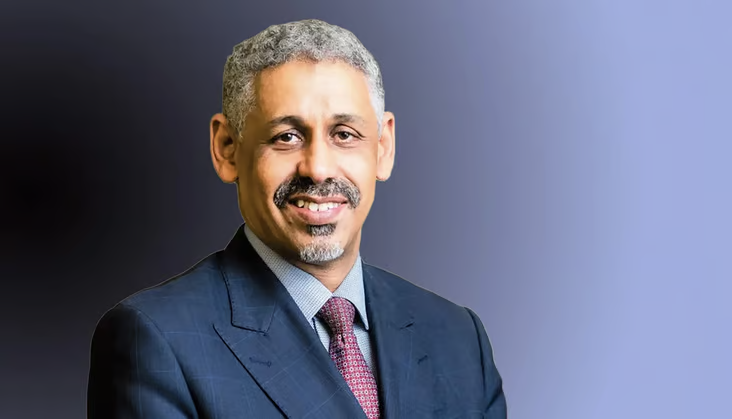
The African Development Bank is staking a claim as the continent’s most aggressive advocate for using financial guarantees to unlock private capital. The bank announced it will inject $125 million into the African Trade and Investment Development Insurance agency, known as ATIDI, making the AfDB its largest shareholder with a 14 percent stake — up from three percent.
The move is central to the vision of AfDB President Sidi Ould Tah, who took charge of Africa’s largest development lender last September. Tah has championed what he calls the New African Financial Architecture for Development, or NAFAD, a framework designed to tap an estimated $4 trillion in institutional capital across the continent — pensions, sovereign wealth funds, and savings schemes that remain fragmented and poorly coordinated. The goal is to channel that money toward closing an estimated $400 billion annual development financing gap.
“Our target is to bring the level of guarantees provided by ATIDI to $10 billion annually and reach a target that will really unlock huge potential for financing infrastructure at scale,” Tah told Reuters following the bank’s annual meeting in Brazzaville last week.
The timing is not accidental. The announcement comes as African nations grapple with a shrinking pool of traditional development financing. Development aid from wealthy nations fell by nearly a quarter last year to $174.3 billion, with the United States leading the cuts — including reductions to the AfDB’s own concessional lending arm. The squeeze has forced African development institutions to look inward and seek creative mechanisms to mobilise domestic resources.
ATIDI, headquartered in Nairobi, was established 25 years ago to de-risk investment across Africa through insurance and guarantees that help channel private capital into markets perceived as too risky for conventional financing. The agency is owned by 24 African states and institutional investors, including Germany’s KfW Development Bank, which joined in April. Before the AfDB’s injection, ownership was widely dispersed, with individual member states like Togo and Benin holding high single-digit shares.
The bank’s larger stake marks a deliberate shift toward consolidation. Tah is urging other African countries and financial institutions to follow suit, boosting ATIDI’s capital base and expanding its capacity. France is also reportedly considering increasing its shareholding, with further details expected at a G7 meeting in Evian later this month.
The broader ambition — mobilising African savings to finance African development — faces structural challenges. Sub-Saharan Africa’s savings rate sits at roughly 18 percent, less than half the global average, according to World Bank data. Low incomes and a young population depress the pool of domestic capital available for long-term investment.
Some analysts argue that the focus should be on raising savings rates before channelling existing capital through guarantee platforms. Tah, however, insists the two objectives are not mutually exclusive. “Africa can mobilise African resources to finance African development,” he said — a statement that carries the weight of both optimism and institutional ambition.
The success of this bet will depend on whether guarantees can genuinely shift private capital toward infrastructure and productive sectors at scale, rather than merely rearranging existing flows. The AfDB’s $125 million commitment is a signal of intent. Whether it catalyses the broader transformation Tah envisions will be measured over years, not months.
Image Source: MYJOYONLINE