NUGS President Threatens Mass Student Action Over Gold Fields Lease Renewal
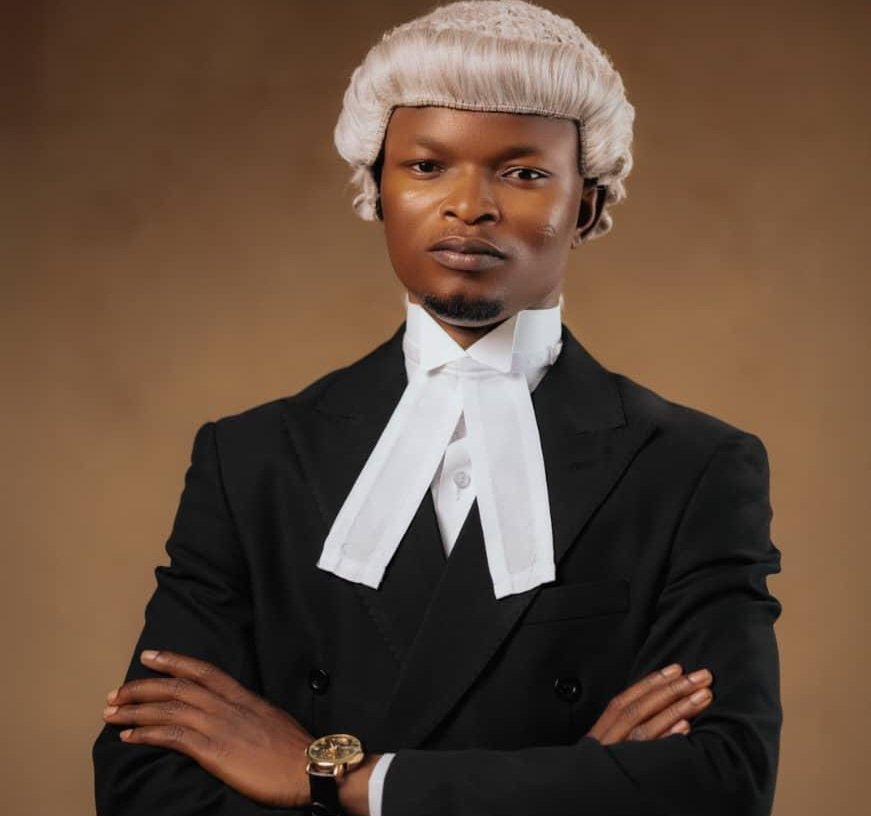
The President of the National Union of Ghana Students, Rashid Ibrahim Esq., has issued a blunt warning to the government: proceed with the renewal of Gold Fields’ mining lease at Tarkwa, and face sustained, student-led opposition across the country.
In a statement posted on social media on Friday, the 59th NUGS President linked the lease renewal debate to the broader wave of xenophobic violence targeting Ghanaians and other Africans in South Africa, arguing that the two issues are inseparable. His intervention adds a significant new dimension to a controversy that has already drawn responses from parliamentarians, diplomats, and civil society groups.
At the heart of Mr. Ibrahim’s argument is a question of national sovereignty over natural resources. He cited Article 257 of the 1992 Constitution, which vests mineral resources in the state on behalf of the people, and argued that Ghana’s capable local investors and entrepreneurs should be given the opportunity to participate in mining operations — ensuring that more economic benefits remain within the domestic economy rather than flowing to foreign corporations.
“Today, students across Ghana are sending a clear message: we do not support the renewal of Gold Fields’ mining lease,” the statement read. “Should the government proceed with the renewal, it must be prepared for fierce public opposition. Students across Ghana are ready to mobilise, organise, and embark on sustained democratic action to resist any decision that disregards the voice of the people.”
The NUGS President was particularly scathing about what he described as Gold Fields’ silence on the xenophobic attacks. “What is even more disappointing is the deafening silence of Gold Fields,” he said. “Since these attacks escalated, the company has not issued any meaningful statement condemning the violence.”
The criticism places Gold Fields in an uncomfortable spotlight. The South African mining giant has operated in Ghana’s western mining belt for years, and any decision on its lease renewal carries both economic and diplomatic weight — especially at a moment when public sentiment toward South African corporate presence in Ghana is running high.
The threat of student mobilisation comes amid an already volatile public mood. The xenophobic attacks in South Africa have prompted the Ghanaian government to evacuate hundreds of citizens, a move that has drawn rare bipartisan praise from the parliamentary opposition. A pointed open letter has also called on President Mahama to go further by holding South African firms operating in Ghana accountable for the violence.
Mr. Ibrahim stressed that the students’ intended actions would remain within democratic and lawful bounds, but insisted their voices would not be ignored. “Enough is enough,” he declared. “Ghana’s resources are not for sale to those who remain silent when Africans are being attacked. Ghana’s resources must serve Ghanaians first.”
The government has yet to issue a formal response to the NUGS ultimatum. However, with student unions historically capable of galvanising large-scale public demonstrations in Ghana, the warning is unlikely to be dismissed lightly — particularly as the Gold Fields lease decision becomes increasingly entangled with the national mood over xenophobia and economic nationalism.
Image Source: MYJOYONLINE