Government set to reclaim galamsey degraded lands in Ellembelle – Minister
The Ghanaian government has formally handed over three sites ravaged by illegal mining to a restoration company, marking what officials describe as a decisive step toward undoing years of environmental destruction in the Western Region’s Ellembelle District.
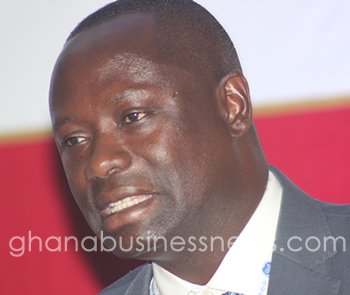
Emmanuel Armah-Kofi Buah, the Minister of Lands and Natural Resources, handed over degraded sites at Anwia, Teleku-Bokazo and Nkroful to Ecorestore Ghana Limited at a ceremony held between Anwia and Teleku-Bokazo on Friday. The project targets 800 acres of degraded land along the River Subile, including areas directly behind the Nkroful Agricultural Senior High School.
The reclamation effort is being bankrolled by Zijin Golden Ridge Limited, a large-scale mining company operating in the region, in close partnership with the Ministry of Lands and Natural Resources.
A Landscape Scarred by Illegal Mining
The Ellembelle District has borne a disproportionate share of the devastation wrought by galamsey — the local term for illegal small-scale gold mining that has ravaged Ghana’s forest reserves, water bodies and farmlands over the past decade. The sites handed over on Friday tell the story in stark terms: muddy pools, collapsed terrain and stripped vegetation that has left the land unrecognisable.
At the handing-over ceremony, Mr Armah-Kofi Buah, who doubles as the Member of Parliament for Ellembelle, said the government remained committed to reversing the devastating impact of years of irresponsible mining activities, particularly within our forest reserves and farming communities.
The tree species selected for the restoration have been carefully chosen to enhance soil fertility, restore ecological balance and return the land to productive and sustainable use, the Minister said. As part of the reclamation, dredging operations will clear muddy pools to allow water to flow naturally, while indigenous plants will be reintroduced to rebuild the ecosystem.
Deadly Pits and Community Concerns
The human toll of illegal mining in the area has been severe. Joseph Armah Agyekum, the District Chief Executive of Ellembelle, described the abandoned mining pits as deadly traps which have killed people, pledging that his office and the District Security Council would closely monitor the reclamation project.
Community leaders echoed those concerns. Francis Kwaw Mensah, the Assembly Member for the Nkroful Enlunlibo electoral area, cited a recent incident in which a child fell into one of the exposed pits, underscoring the urgency of the restoration work.
Nana Arvo Kwaw, the Chief of Teleku-Bokazo, thanked the Minister for the initiative and highlighted a recurring problem: flooding from the degraded areas spills over into Teleku-Bokazo during the rainy season, compounding the suffering of residents who had no hand in destroying the land.
Cooperative Mining and a Stern Warning
Beyond the reclamation, the Ministry of Lands has handed over a responsible cooperative mining scheme to the community — an attempt to provide a legal, regulated alternative to the informal mining that has fuelled the destruction.
Mr Armah-Kofi Buah issued a pointed warning against any renewed involvement in galamsey, and appealed to traditional rulers, as custodians of the land, to support the project and help restore what he described as damage accumulated over the past eight years.
The Ellembelle project represents a test case for Ghana’s broader struggle against illegal mining. Success here could provide a template for reclamation efforts across the country’s mining belts. Failure — or abandonment — would deepen cynicism about the government’s capacity to hold the line against an economic activity that, for many rural communities, remains the most lucrative livelihood available.
Image Source: GHANA BUSINESS NEWS