Trump Convenes Situation Room Meeting as Iran Nuclear Deal Approaches Critical Juncture
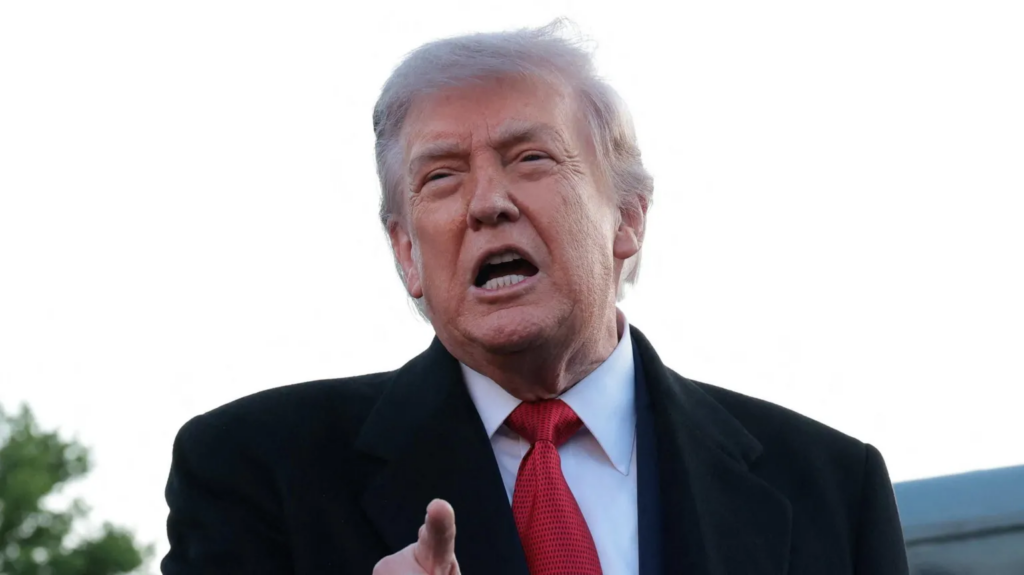
US President Donald Trump convened a meeting in the White House Situation Room on Friday to make what he described as a final determination on a proposed agreement to extend a ceasefire with Iran, setting out a series of demands that included the permanent dismantling of Tehran’s nuclear weapons capability.
Writing on Truth Social ahead of the meeting, Trump outlined three conditions he said Iran must accept: a commitment never to develop a nuclear weapon, the reopening of the Strait of Hormuz to unrestricted shipping traffic, and the destruction of all mines in the waterway. He also demanded that Iran permit the United States to remove and destroy its enriched uranium stockpile.
No money will be exchanged, until further notice, Trump wrote, adding that other items of far less importance had been agreed upon. A White House official later confirmed the Situation Room meeting had concluded but offered no further details on its outcome.
The meeting followed the announcement on Thursday that negotiators from both countries had reached a framework deal, known as a memorandum of understanding, subject to approval by Trump and Iran’s leadership. The agreement would reportedly extend the current ceasefire by 60 days and initiate formal talks on the future of Iran’s nuclear programme.
Iran’s response to Trump’s public statements was sharply dismissive. The Fars news agency, citing informed sources, described Trump’s latest comments as a mixture of truth and lies and reported that no provision for the destruction of nuclear materials existed in the memorandum. Foreign ministry spokesman Esmaeil Baqaei told state television that Iran was focused on ending the war, and there are no negotiations on the nuclear issue.
The ceasefire, which came into effect on 8 April following US and Israeli strikes against Iran on 28 February, has been fragile. Both sides have accused each other of violations in recent days. On Thursday, Iran’s Islamic Revolutionary Guard Corps said it had targeted a US air base in Kuwait it described as the source of earlier strikes on Bandar Abbas, a strategic port city near the Strait of Hormuz. US Central Command condemned the attack as an egregious ceasefire violation.
Iran’s chief negotiator, Mohammad Baqer Qalibaf, struck a combative tone earlier on Friday, writing on social media that Iran had no trust in guarantees or words and would act only in response to concrete steps from the other side. The winner of any agreement is the one who is better prepared for war the day after, he said.
US Vice-President JD Vance said on Thursday that negotiators were going back and forth on a couple of language points, including the contentious question of uranium enrichment. We are not there yet, but we are very close, Vance said.
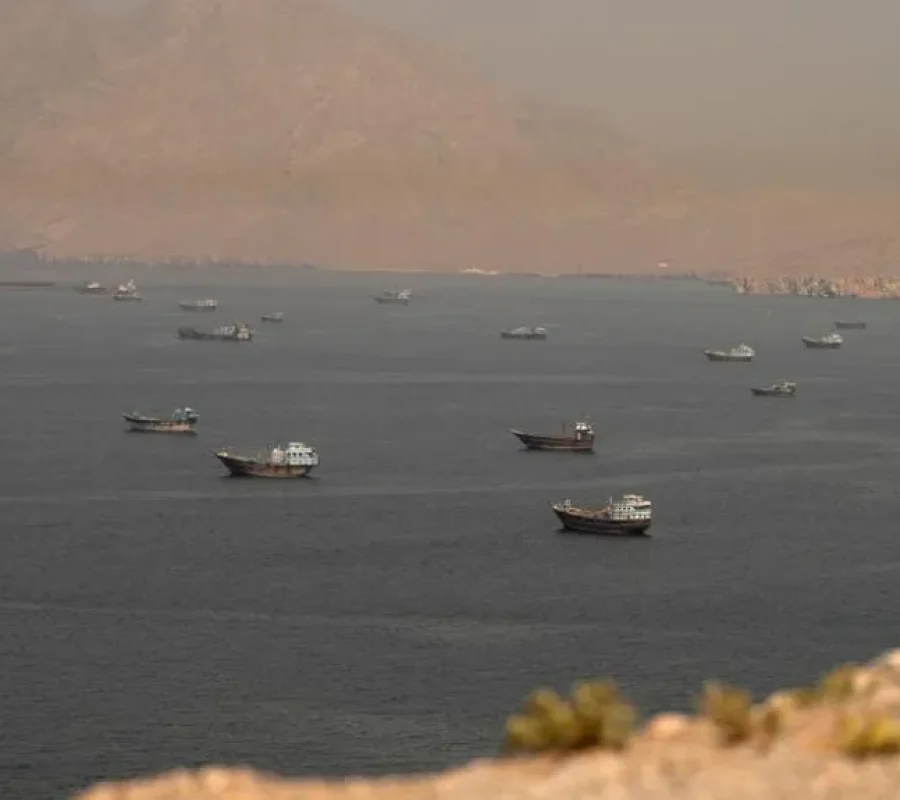
The closure of the Strait of Hormuz following the initial exchange of hostilities has sent global oil prices soaring, adding economic urgency to the diplomatic efforts. The strait, through which roughly a fifth of the world’s oil supply passes daily, remains a central point of leverage for both sides.
Since the ceasefire began nearly two months ago, Trump has repeatedly suggested a deal was imminent, but substantive progress has remained elusive. The gap between the two sides’ public positions — with Washington insisting on complete denuclearisation and Tehran refusing to discuss its nuclear programme at all — suggests that the path to a lasting agreement remains fraught with difficulty.
Image Source: MYJOYONLINE