Ghana Must Pursue Justice for South African Xenophobic Attack Victims Beyond Evacuation, MP Says
The evacuation of 300 Ghanaians from South Africa this week marked a necessary but insufficient response to the xenophobic violence that has once again gripped the country, a senior Ghanaian lawmaker has argued, calling for a far more robust diplomatic and legal campaign to secure justice for victims.
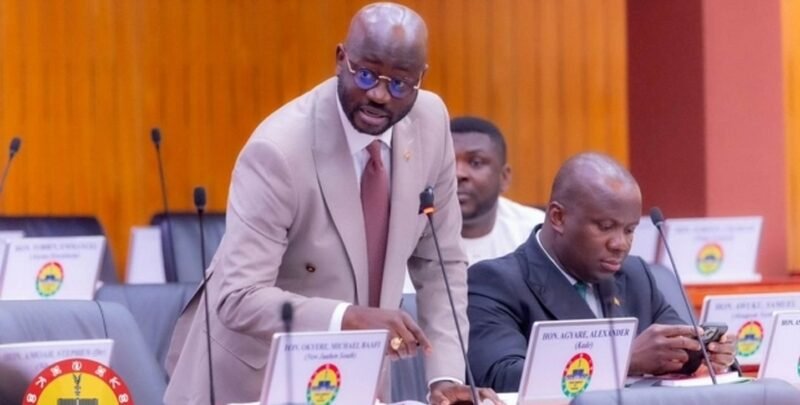
Nana Asafo-Adjei Ayeh, the Deputy Ranking Member on Parliament’s Foreign Affairs Committee and MP for Bosome Freho, said in an interview on Asempa FM that Ghana and other African nations must move beyond emergency repatriation and pursue accountability through international legal mechanisms.
“When this issue started, I was even calling for the closure of some of the embassies so that it would demonstrate to South Africans that this thing is unbecoming,” Mr Ayeh said, warning that the violence could escalate dramatically if firm action is not taken. “I won’t be surprised if we wake up one day and they apprehend all foreign nationals, put them in a room and set ablaze.”
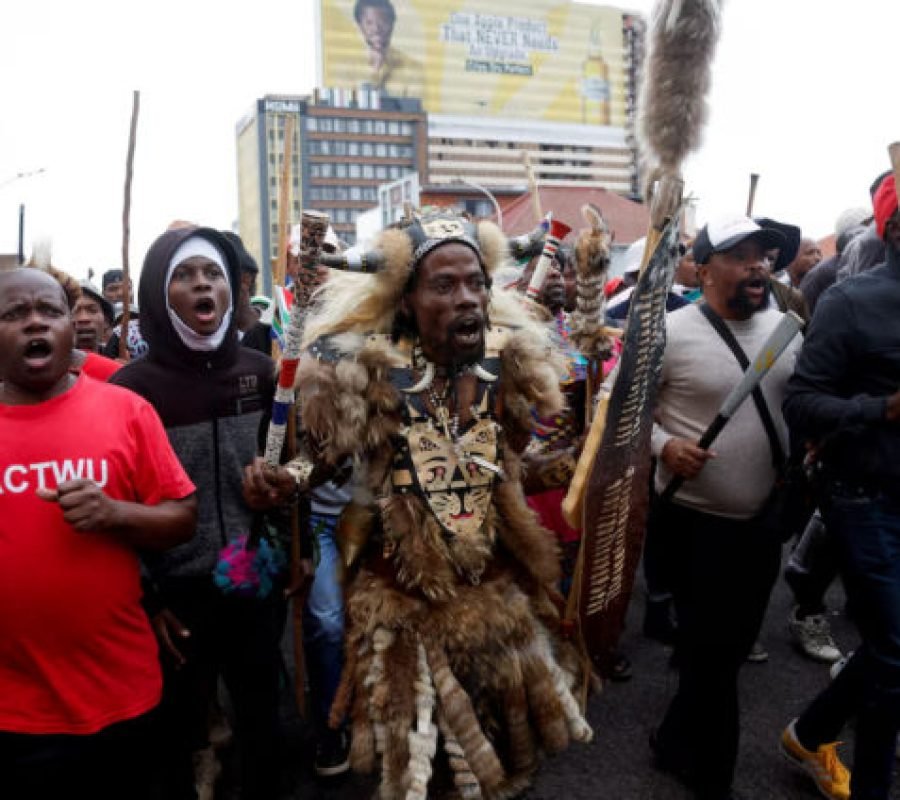
The lawmaker’s comments reflect a growing frustration across the continent with what many see as South Africa’s failure to adequately address the recurring cycle of violence against foreign nationals. Videos circulating on social media have shown attacks taking place in the apparent presence of police officers who do not intervene—a point Mr Ayeh seized upon.
“You sometimes see videos with police present but doing nothing about the attacks. So it tells you clearly that the South African government itself cannot deal with the issue,” he said.
The historical dimension of the crisis adds a particular sting. African nations, including Ghana, provided significant material and diplomatic support to South Africa’s anti-apartheid struggle. “The freedom South Africa is enjoying, they didn’t get it alone. We all fought for it. Ghana just didn’t fight; we even supported with our money,” Mr Ayeh stressed.
That sense of betrayal is compounded by the political dynamics within South Africa itself. Mr Ayeh accused local politicians of weaponising anti-foreigner sentiment for electoral advantage, making it politically costly for the government to crack down on the perpetrators. “The individual politicians involved are making political campaign promises with it to embolden their base, so they are not able to deal with it as they should,” he said.
The MP’s call for justice extends beyond rhetoric. He urged the Ghanaian government to systematically document the losses suffered by its citizens—destroyed businesses, lost property, physical injuries—and pursue compensation through international courts where necessary. “If we are able to document our evidence well and put all the facts together, we can pursue this case at the international court,” he said.
The crisis has been escalating for weeks. Senior Ghanaian miners working in South Africa’s extractive sector have also requested evacuation, citing direct threats from their employers and colleagues. Julius Malema, leader of South Africa’s Economic Freedom Fighters, has criticised Ghana’s evacuation response as premature, a characterisation that drew sharp rebuke from Ghanaian officials.
The African Union’s silence on the matter has been conspicuous. Mr Ayeh urged continental leaders to impose tougher diplomatic measures and consider formal resolutions condemning the violence. “We must pick the venom and tell South Africa that we are not happy,” he said.
For the 300 evacuees who arrived home on Wednesday, and the hundreds more expected in the coming days, repatriation is only the beginning. Many have lost livelihoods built over years. “Any Ghanaian who suffered any loss and now has to start from ground zero, a reparation package alone is not enough for such a person. You must let him have justice beyond bringing me back home,” Mr Ayeh said.
The question now is whether Ghana’s government will translate parliamentary concern into concrete diplomatic action—or whether the evacuees will join the long list of African nationals whose suffering has been acknowledged but not remedied.
Image Source: MYJOYONLINE