Eswatini Puts SiSwati Storytelling at the Heart of Digital Age Celebrations for World Book Day 2026
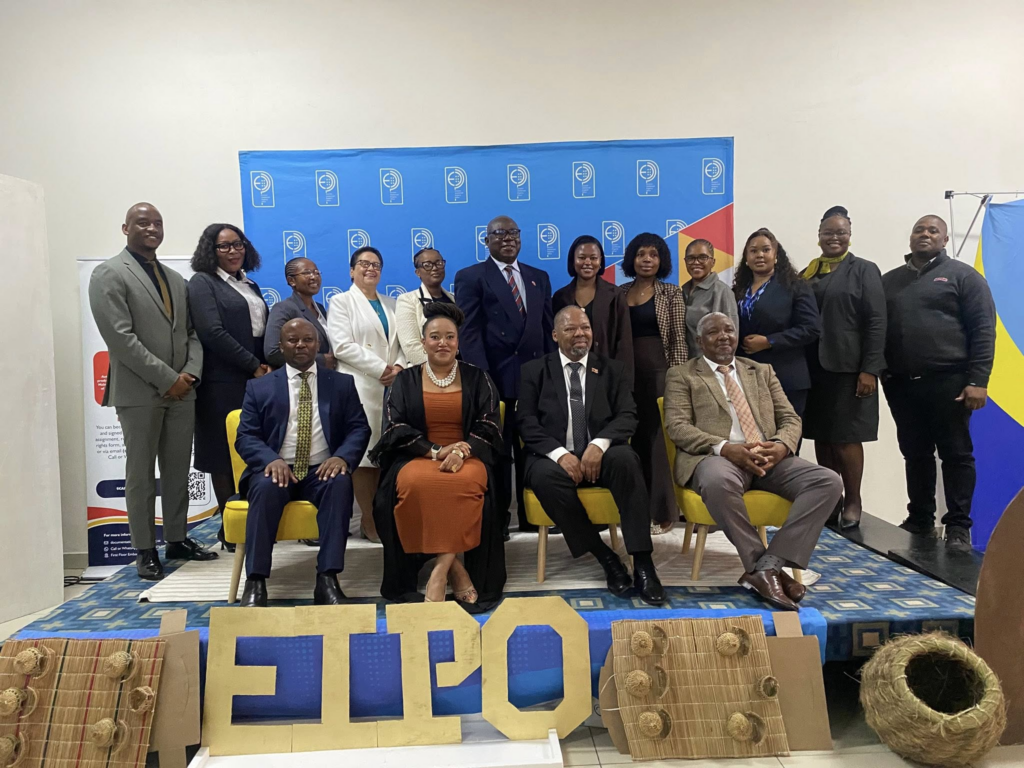
The Kingdom of Eswatini marked World Book and Copyright Day 2026 on Thursday with a national celebration rooted in a singular ambition: ensuring that the country’s indigenous stories survive, and thrive, in an era of rapid digital transformation.
Under the national theme “Promoting SiSwati Stories in the Digital Age,” the commemoration brought together government officials, publishers, educators, and cultural stakeholders to reaffirm the importance of literature, storytelling, and intellectual property in preserving Eswatini’s cultural identity — and in building the economic foundations of a creative sector that remains largely untapped.
Speaking on behalf of the Minister of Commerce, Industry and Trade, the Minister of Economic Planning and Development, Dr. Thambo Gina, placed copyright protection at the centre of the country’s cultural strategy. Digital platforms, he argued, present both unprecedented opportunities and serious challenges for creators. The ease with which content can be shared online has expanded access to audiences but has also made it harder for writers, musicians, and filmmakers to control and profit from their own work.
“Books, music, film, storytelling, and other forms of digital content are essential tools for shaping national identity, promoting indigenous languages, and contributing to economic growth through the creative sector,” Dr. Gina said, positioning cultural production not as a luxury but as an economic imperative.
A significant milestone at the event was the recognition of the first cohort of licensed copyright users — a development that officials described as a foundational step toward building a sustainable creative industry in Eswatini. The licensing initiative is intended to formalise the relationship between creators and those who commercially exploit their work, ensuring that intellectual contributions are fairly compensated regardless of the medium through which they are distributed.
The focus on SiSwati is deliberate. In a global digital landscape dominated by a handful of major languages, smaller linguistic communities face the real risk of cultural marginalisation. Eswatini’s investment in SiSwati-language content is, in this context, both a cultural preservation effort and an assertion of sovereignty over the country’s narrative.
World Book and Copyright Day, observed annually under UNESCO’s auspices, typically receives modest attention in most countries. Eswatini’s decision to give the 2026 commemoration a distinct national character — anchored in language, digital policy, and creative economics — suggests a government that views the protection of intellectual property not as an abstract legal concept but as a concrete tool for economic development.
The challenge, as with many such initiatives across the continent, will be execution. Copyright frameworks are only as effective as the institutions that enforce them, and the gap between policy aspiration and practical implementation remains wide in much of Africa. Eswatini’s licensing programme is a promising start, but the real test will come in whether it can scale to encompass the full breadth of the country’s creative economy.
For now, the message from Mbabane is clear: Eswatini’s stories belong to Eswatini, and the country intends to ensure they remain so in the digital age.
Image Source: MYJOYONLINE