Nearly 300 Ghanaians Repatriated From South Africa as Anti-Immigrant Protests Escalate
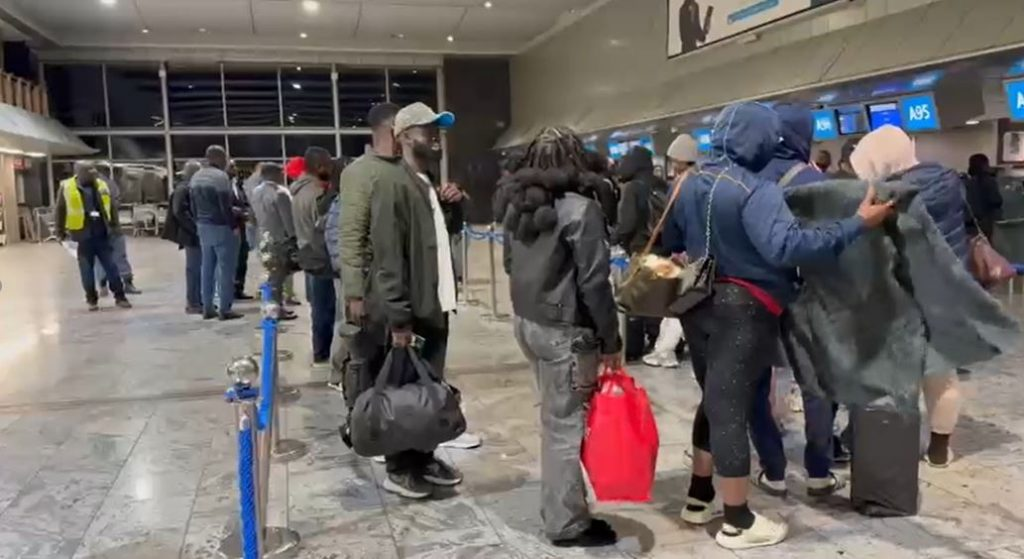
Nearly 300 Ghanaian nationals, including children, have been flown back to Accra from Johannesburg in a voluntary repatriation exercise prompted by escalating anti-immigrant protests across South Africa. The operation, coordinated by officials from both countries, reflects the growing human toll of a wave of xenophobic unrest that has left foreign nationals across the southern African nation scrambling for safety.
The repatriation flight, which arrived in Accra this week, carried Ghanaians who had registered for voluntary return after weeks of increasingly hostile demonstrations targeting immigrants. South African and Ghanaian authorities worked jointly to organise the evacuation, with the Ghanaian government having earlier outlined a package of support measures for citizens arriving home, including reintegration assistance and temporary accommodation where needed.
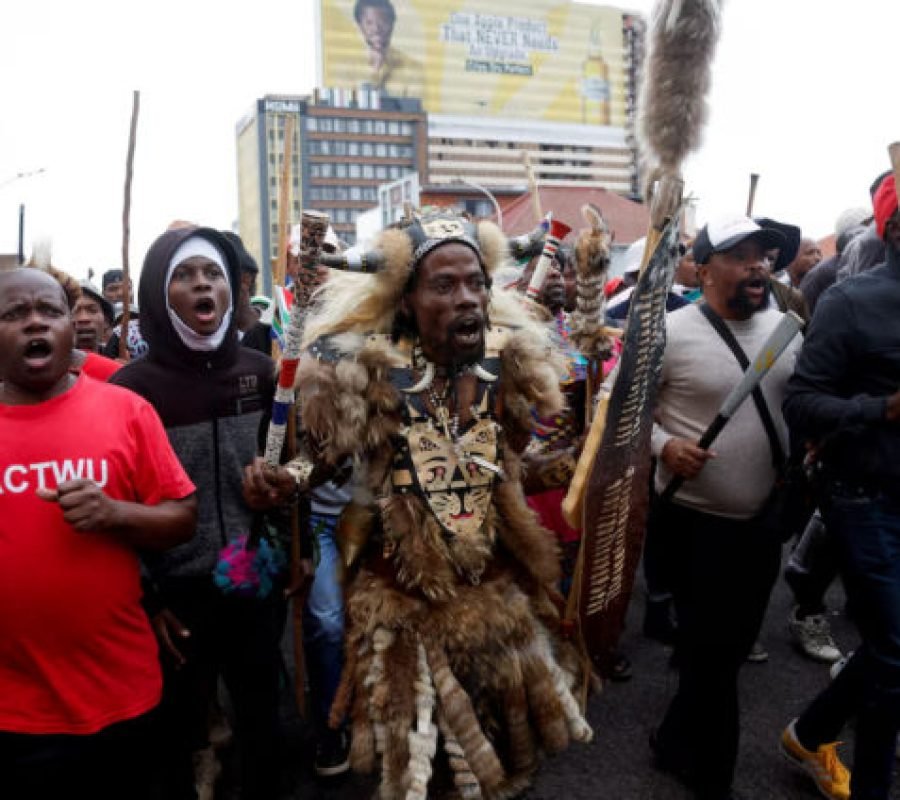
The protests, which have swept through several South African cities, are rooted in long-standing tensions over employment, public services and the perceived competition for scarce resources between locals and foreign nationals. While anti-immigrant sentiment in South Africa is not new — the country experienced similar outbreaks in 2008, 2015 and 2019 — the latest wave has been particularly intense, prompting multiple African governments to begin repatriating their citizens.
For Ghana, the episode has raised uncomfortable questions about the status of its nationals abroad. Officials have revealed that only a small fraction of those repatriated were in South Africa legally, a disclosure that has ignited domestic debate about irregular migration, the responsibilities of citizens who travel without proper documentation, and the government’s duty of care to all Ghanaians regardless of their immigration status.
The repatriation has also laid bare the precarious existence of many West African migrants in South Africa, who often work in the informal economy with little legal protection. For these individuals, the protests represented an existential threat: without legal residency, they had no recourse to state protection and few options beyond fleeing.
Ghana’s Foreign Affairs Ministry has urged calm and reiterated its commitment to the safety of Ghanaians abroad, while also calling on South African authorities to protect all residents within their borders. The ministry has set up emergency hotlines and coordination points for citizens still in South Africa who wish to return.
The broader regional implications are significant. The African Union and the Southern African Development Community have both issued statements condemning the violence, but concrete action remains limited. For a continent that has championed free movement of people through instruments like the African Continental Free Trade Area, the recurring cycle of xenophobic violence in its most industrialised economy represents a deep contradiction.
As the repatriated Ghanaians begin the process of reintegrating into a society they may have left years ago, the incident serves as a sobering reminder that the promise of African unity remains, for many ordinary citizens, more rhetorical than real. The challenge for both Ghana and South Africa is to ensure that this latest episode leads not just to emergency evacuations but to sustained diplomatic engagement on the protection of migrant rights across the continent.
Image Source: GHANAMMA