First Batch of 300 Ghanaians Evacuated From South Africa Arrive Home Safely

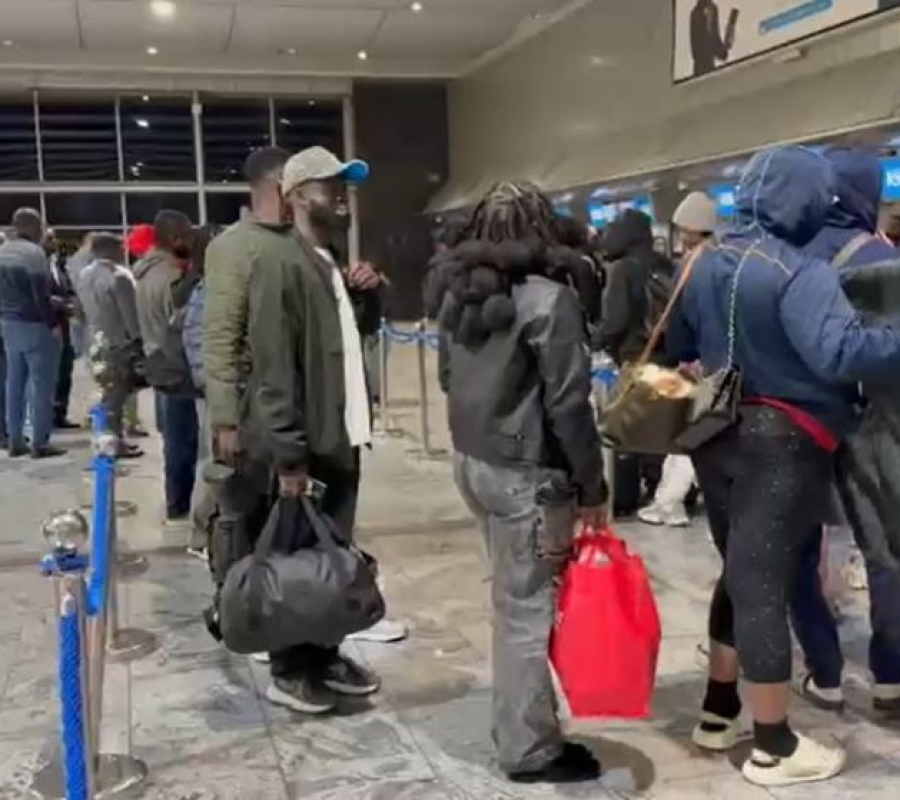
Joyful yet emotional scenes unfolded at Accra International Airport on Wednesday as the first batch of 300 Ghanaians evacuated from South Africa touched down on home soil, marking a significant moment in the government’s ongoing response to the deteriorating security situation facing African migrants in the country.
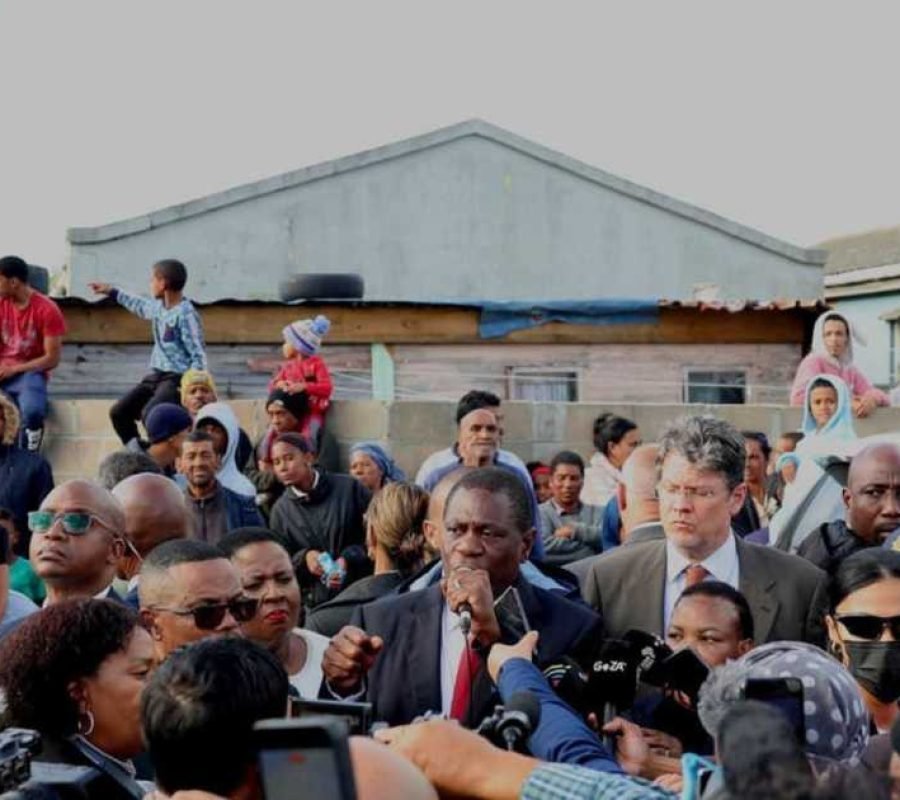
The repatriation exercise, coordinated by Ghana’s Ministry of Foreign Affairs and the National Disaster Management Organisation, comes in the wake of a sharp escalation in xenophobic attacks, anti-foreigner tensions, and rising insecurity across several South African provinces. Families who had spent years building livelihoods in Johannesburg, Pretoria, and Cape Town were forced to abandon their lives overnight.
Among the returnees were women, children, and elderly citizens, many of whom arrived visibly shaken but relieved to be home. Airport officials described scenes of tearful reunions as relatives who had been waiting since early morning rushed to embrace their loved ones as they cleared the arrivals hall.
The evacuation follows weeks of mounting pressure on the Ghanaian government to act decisively as reports of violence against foreign nationals in South Africa intensified. Earlier revelations that only ten of the nearly 300 migrants were legally resident in South Africa had complicated the narrative, raising difficult questions about irregular migration and the vulnerabilities it creates for Ghanaian citizens abroad.
Officials from the Ministry of Foreign Affairs confirmed that the operation was conducted in coordination with South African authorities and Ghana’s diplomatic mission in Pretoria. The government has pledged to provide reintegration support for the returnees, including temporary accommodation, psychosocial counselling, and assistance with resettlement.
The evacuation also arrives against a broader backdrop of anti-immigrant sentiment that has periodically erupted in South Africa over the past decade. Foreign nationals from across the continent — including Nigerians, Zimbabweans, Somalians, and Mozambicans — have repeatedly found themselves targets of violence, looting, and displacement, often amid economic frustrations and competition for scarce jobs.
Ghana’s handling of the crisis has drawn both praise and scrutiny. While many have applauded the government’s willingness to mount a full evacuation operation, others have questioned why more was not done earlier to protect citizens who had been living precariously in South Africa for years. The repatriation effort had been announced weeks earlier as anti-immigrant protests escalated across several provinces.
The returnees will be processed through immigration and health screening before being allowed to reunite with their families. Government officials indicated that a second batch of evacuees is expected in the coming days, though exact numbers and timelines remain under discussion.
For the 300 who arrived on Wednesday, the journey home was bittersweet. Many left behind businesses, rental properties, and years of personal investment in South Africa. Some spoke quietly to reporters about their experiences — tales of midnight raids on foreign-owned shops, threats from neighbours they once considered friends, and the agonising decision to leave rather than risk their lives.
The situation underscores the persistent fragility of migrant communities across the African continent and the limits of pan-African solidarity when economic pressures mount. It also raises urgent questions about what long-term diplomatic and policy interventions are needed to protect Ghanaian citizens abroad — not just in moments of crisis, but as a matter of routine consular care.
As the dust settles on this first wave of returns, attention is likely to turn to the reintegration challenges ahead. Thousands of Ghanaians remain scattered across South Africa, many undocumented and reluctant to register for evacuation out of fear of legal consequences. The government faces the delicate task of encouraging their return while addressing the root causes — poverty, unemployment, and lack of opportunity — that drove them abroad in the first place.
Image Source: GHANAMMA