Dafeamekpor Demands OSP Expand Beyond Accra or Face Parliamentary Questions
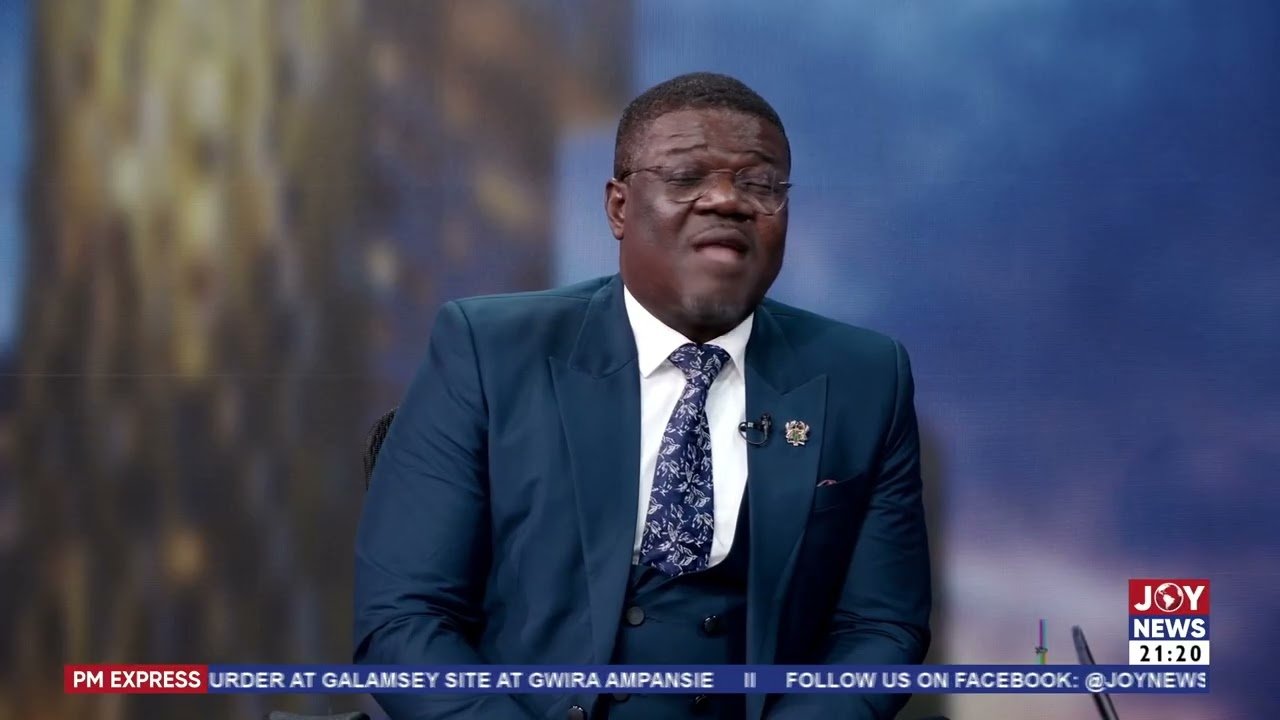
Majority Chief Whip Rockson Nelson Dafeamekpor has issued a pointed warning to the Office of the Special Prosecutor: expand your operations beyond Accra or prepare to answer tough questions from Parliament about why substantial state resources have yielded so little return.
Speaking on JoyNews’ PM Express on Tuesday, the South Dayi MP said he supports President John Mahama’s call for patience with the anti-corruption body, but insisted that patience must be matched by visible commitment to growth and results.
“I believe in the wisdom of the president,” Dafeamekpor said, acknowledging that Mahama had asked critics to “disengage” and give the OSP another opportunity to improve its work. But he was quick to note that the President himself recognises the office’s shortcomings. “He himself knows that the OSP could do better,” the Majority Chief Whip stated.
The core of Dafeamekpor’s criticism centres on what he describes as an overly Accra-focused approach to fighting corruption. The OSP, he argued, cannot meaningfully tackle financial misconduct and public-sector abuse from the capital alone.
“We’ve given them a mandate under the OSP Act to establish regional offices,” he said. “Don’t be cocooned in Accra and seek to fight crime. Crime is not only coterminous with the people or the lifestyle in Metropolitan Accra or Tema.”
To support his argument, Dafeamekpor pointed to Auditor-General reports, which he said reveal widespread pilfering and deliberate disregard for the law within district assemblies and state institutions across the country. “Crime is pervasive in the district within the assembly, especially lots of pilfering and a deliberate decision on the part of public servants to simply ignore the law and do what they will do, and pilfer from the public purse,” he said.
The lawmaker proposed a practical solution: establish OSP offices at both district and regional levels. He argued that the mere presence of an anti-corruption officer in each district would serve as a powerful deterrent. “If every district knows that there is an OSP officer resident in the district, certain things won’t happen in the assemblies, and some of the statutory agencies operating in the district would do things differently,” he said.
When pressed on whether the OSP still deserved more time to prove itself, Dafeamekpor answered affirmatively but with a clear caveat. “Yes, but when you are not committed to expanding, then I have a problem with you,” he said. “Then I will question why we give you so much money, and yet you are delivering so little.”
The comments reflect a growing tension within the governing party over the OSP’s effectiveness. The office has faced legal challenges to its prosecutorial powers, with the Supreme Court recently adjourning indefinitely a case that could determine the scope of its authority. At the same time, the government has publicly backed the institution while acknowledging the need for reform.
Dafeamekpor’s remarks signal that parliamentary support for the OSP is not unconditional. If the office fails to demonstrate tangible progress — particularly in expanding its reach beyond the capital — it may find itself facing uncomfortable scrutiny from the very lawmakers who fund its operations.
Image Source: MYJOYONLINE