First Ghanaians Repatriated From South Africa Amid Growing Anti-Immigrant Unrest
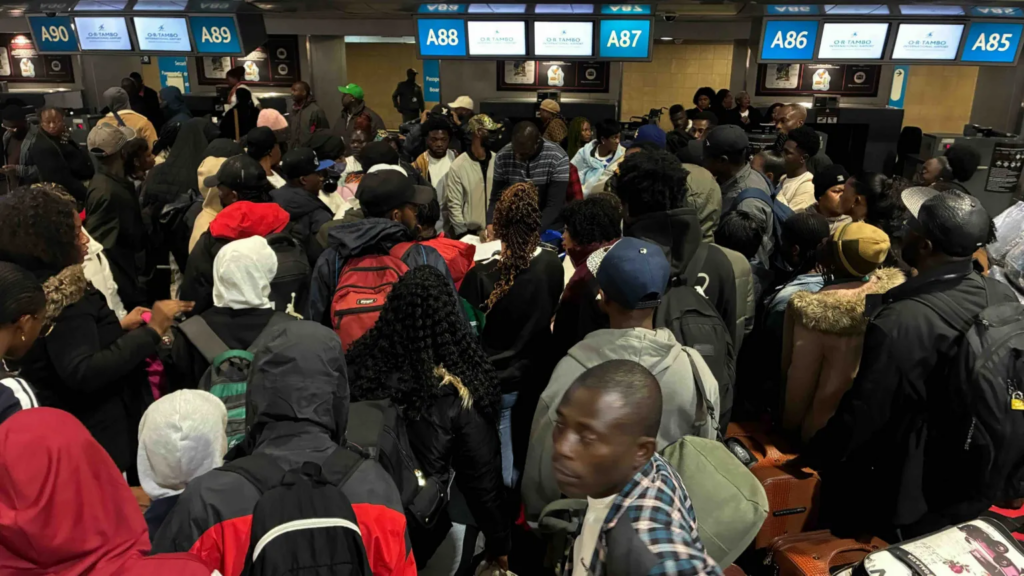
The first group of Ghanaian citizens began leaving South Africa on Wednesday morning, marking the start of a government-organised repatriation effort prompted by weeks of anti-immigrant protests that have swept across major South African cities.
Dozens of chartered buses delivered passengers — men, women and children of all ages — to Johannesburg’s OR Tambo International Airport at approximately 3:00 am local time. Ghanaian authorities told the BBC that an initial 300 people were scheduled to depart on Wednesday, with the remaining registered citizens still undergoing screening before their own flights home.
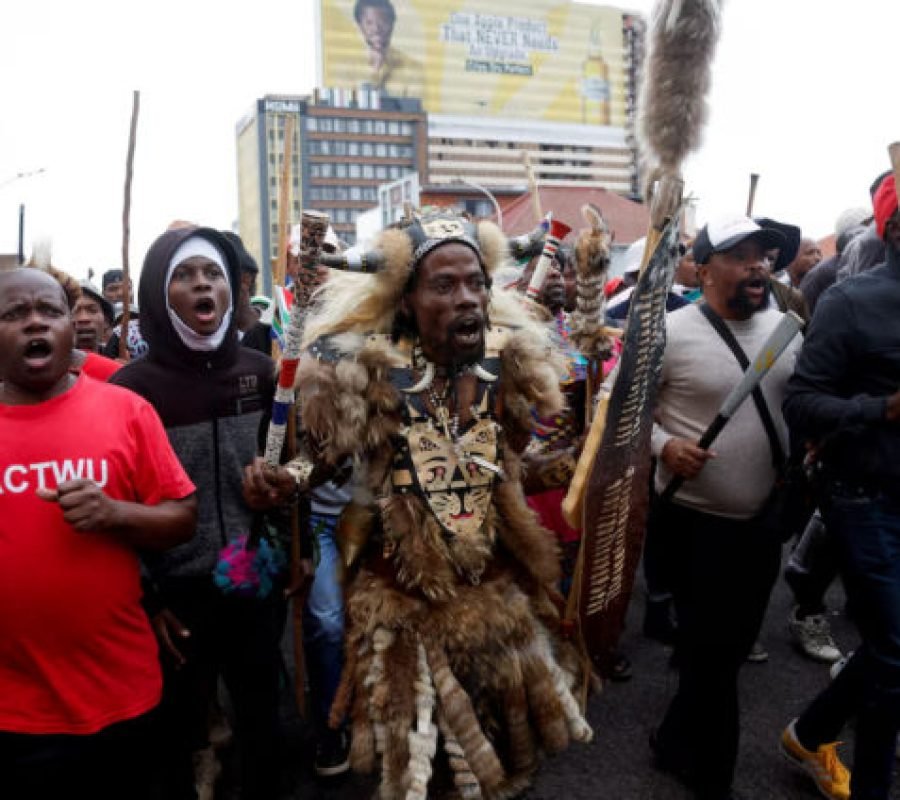
The repatriation follows a wave of demonstrations organised by a group called March and March, which describes itself as a citizen-led movement for immigration reform. The group has set a June 30 deadline for illegal immigrants to leave the country, a timeline that has heightened fears of xenophobic violence among foreign nationals living in South Africa.
Rudolph, a Ghanaian who has lived in South Africa for a decade and runs a salon, told the BBC he was leaving because the protests had made it impossible to continue. “It’s not comfortable for us to stay here anymore, so we have to go. I think we will find peace at home,” he said. He added that the protests, which began in Durban and spread to other provinces, could escalate further. “Something bad could happen,” he warned, stating he would never return to South Africa.
Ghana’s High Commissioner to South Africa, Benjamin Quashie, said the government acted in response to the concerns of its citizens. “The Ghanaian government listened to the plight of its citizens in South Africa, who felt that their lives were in danger, who felt like the economic activity that they were engaging in had come to a standstill, who felt unwelcome in this country,” he said.
Quashie also outlined a reintegration strategy for returning citizens, saying the government was prepared to help them establish businesses similar to those they operated in South Africa. He framed the repatriation as beneficial to both countries, noting that removing undocumented Ghanaians demonstrated the government’s commitment to orderly migration. “Taking them out of here will let them know that we are not people who condone undocumented people in countries,” he said.
A smaller group of passengers arrived at the airport in a police van, separated from the main group and kept under police watch. Few of the departing passengers were willing to speak to journalists.
There are an estimated 25,000 Ghanaians living in South Africa. The current crisis echoes darker chapters in the country’s history: in 2019, at least 12 people were killed in xenophobic attacks, and in 2008, 62 foreign nationals died in similar violence. Some analysts have linked the resurgence of anti-migrant sentiment to local elections scheduled for November.
The South African government has condemned criminal acts directed at foreigners while acknowledging the need to address illegal immigration. Protest organisers insist their demonstrations have been peaceful, but the experience of foreign nationals on the ground tells a different story — one of fear, economic disruption, and a growing sense of being unwelcome.
The Ghanaian government’s decision to charter evacuation flights signals the severity of the situation. Whether the repatriation will be followed by diplomatic efforts to protect Ghanaians who choose to remain, or whether it marks the beginning of a larger exodus of West African nationals from South Africa, remains to be seen.
Image Source: MYJOYONLINE