Ghana Rainstorm Wrecks Houses in Oti Region — 6 Devastating Impacts Families Face Now
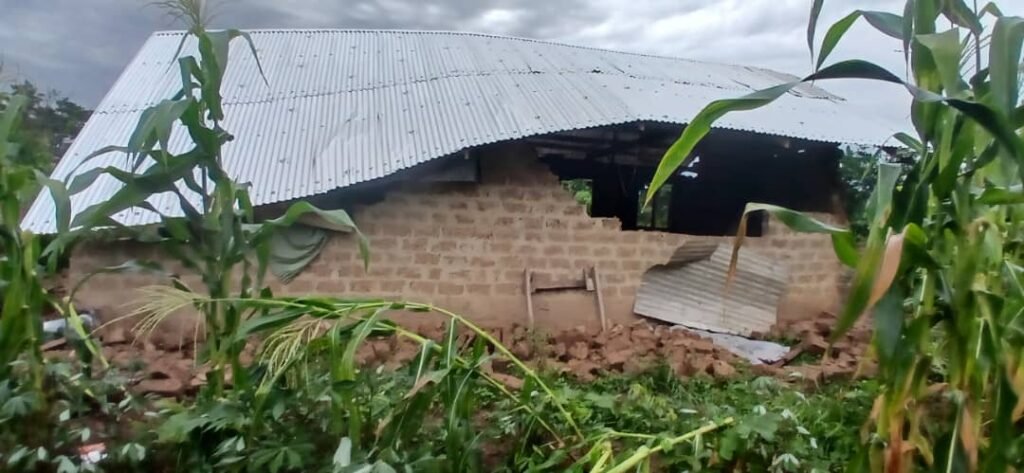
A devastating Ghana rainstorm accompanied by powerful winds ripped through Ketsi and Koensim in the Jasikan Municipality of the Oti Region on May 17, 2026, destroying roofs of four buildings and displacing several families. The destructive weather event has left residents scrambling for shelter and renewed calls for improved disaster preparedness across the region.
The Ghana rainstorm, which struck after hours of relentless rainfall, caused widespread damage to homes and personal property in the two communities. Assemblyman for the Nsuta East Electoral Area, Mr Kennedy Akoto, confirmed that two buildings were severely damaged, rendering occupants homeless and destroying belongings worth thousands of Ghana cedis.
Ghana Rainstorm Devastation in Ketsi and Koensim
The Ghana rainstorm that hit Ketsi and Koensim on May 17 was characterised by its intensity and the ferocity of accompanying winds. The severe weather system swept across parts of the Jasikan Municipality, leaving a trail of destruction in its wake.
Although no casualties were recorded, the affected families lost significant personal belongings, including bedding, clothing, food items, and household appliances. The financial impact on already vulnerable households is expected to be substantial, with many families facing months of recovery.
Mr Akoto described the scene as one of utter devastation. “The Ghana rainstorm came with such force that many residents had no time to salvage their belongings,” he said. “Some families lost everything they owned in a matter of minutes.”
Mr Kennedy Akoto explained that although no casualties were recorded, the affected families lost personal belongings, including bedding, clothing, food items, and household appliances, worth thousands of Ghana cedis. The affected residents are currently staying with relatives and neighbours while awaiting assistance.
NADMO Response to the Ghana Rainstorm Destruction
Officials of the National Disaster Management Organisation (NADMO) moved swiftly to assess the damage caused by the Ghana rainstorm. Led by the Jasikan Municipal Director of NADMO, Mr Eric Adom, a team visited the affected communities to conduct a thorough assessment of the destruction.
The NADMO team assured victims that relief items such as roofing sheets, blankets, mattresses, and other essential materials would be provided to support them. However, the timeline for the delivery of these materials remains unclear, leaving affected families in a state of anxious uncertainty.
“The affected residents are currently staying with relatives and neighbours while awaiting assistance,” Mr Akoto said. The temporary displacement caused by the Ghana rainstorm has placed additional strain on host families, many of whom are already struggling with limited resources.
The NADMO response to this Ghana rainstorm event highlights both the strengths and weaknesses of Ghana’s disaster management system. While the agency’s rapid assessment capabilities are commendable, the delivery of relief materials often lags significantly behind initial promises, leaving vulnerable communities in prolonged hardship.
Ghana Rainstorm Preparedness: Lessons from the Oti Region
The Ghana rainstorm in Ketsi and Koensim is the latest in a series of severe weather events that have struck the Oti Region in recent months. The region, characterised by its hilly terrain and dense vegetation, is particularly susceptible to wind damage during the rainy season.
Residents in the area called for intensified public education on disaster preparedness, especially during the rainy season, which is often characterised by strong winds and storms. Many community members expressed frustration at the lack of early warning systems and the absence of clear evacuation procedures.
The Assemblyman urged residents to regularly maintain roofs and avoid putting up weak structures susceptible to windstorms. This practical advice, while valuable, does not address the fundamental challenge facing many rural communities: the lack of resources to build and maintain durable structures capable of withstanding severe Ghana rainstorm events.
Similar weather disasters have struck other parts of the country. Earlier this year, heavy rains caused the collapse of a critical bridge in Wa West, cutting off Upper West communities from essential services. These recurring events demonstrate that Ghana’s infrastructure and disaster preparedness systems require fundamental reform.
Government Must Act to Address Ghana Rainstorm Vulnerability
The Ketsi and Koensim Ghana rainstorm disaster demands more than temporary relief. Some victims appealed to the government, benevolent organisations, and individuals to come to their aid to enable them to rebuild their homes and restore normal life.
The call for assistance extends beyond immediate relief to encompass long-term resilience building. Communities in the Oti Region and across Ghana need access to affordable building materials, technical assistance for constructing wind-resistant structures, and robust early warning systems that can alert residents to approaching severe weather.
Mr Akoto appealed to NADMO and other stakeholders to expedite support to the affected families to reduce their hardship. The urgency of the situation cannot be overstated — families displaced by the Ghana rainstorm are sleeping in makeshift arrangements, exposed to further weather risks and health hazards.
Ghana’s broader environmental challenges also play a role in the increasing frequency and severity of storms. The country’s efforts to address environmental degradation through policy reforms must be accelerated to mitigate the effects of climate change on vulnerable communities.
As the rainy season intensifies across Ghana, the Ghana rainstorm in Ketsi and Koensim serves as a stark warning: without comprehensive disaster preparedness reform, more communities will face similar devastation, and more families will lose everything they have worked for.
Source: MyJoyOnline