Wa West Bridge Collapse Strands Thousands After Heavy Rains Cut Off Upper West Communities
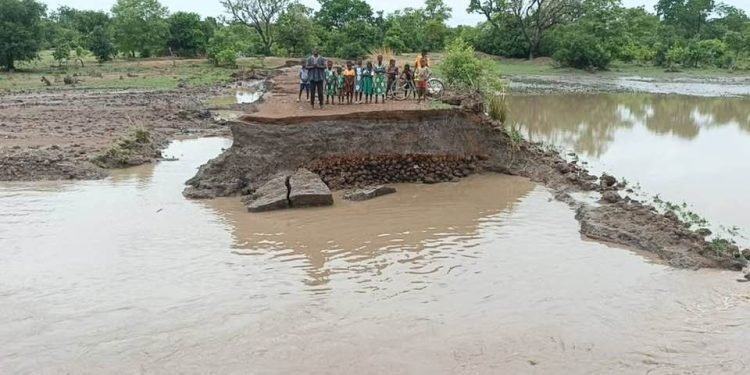
The Wa West bridge collapse has stranded thousands of residents in the Upper West Region after heavy rains destroyed the Meteu Community Bridge on Monday, May 25, cutting off vital connections between communities and disrupting access to schools, farms, markets, and healthcare facilities.
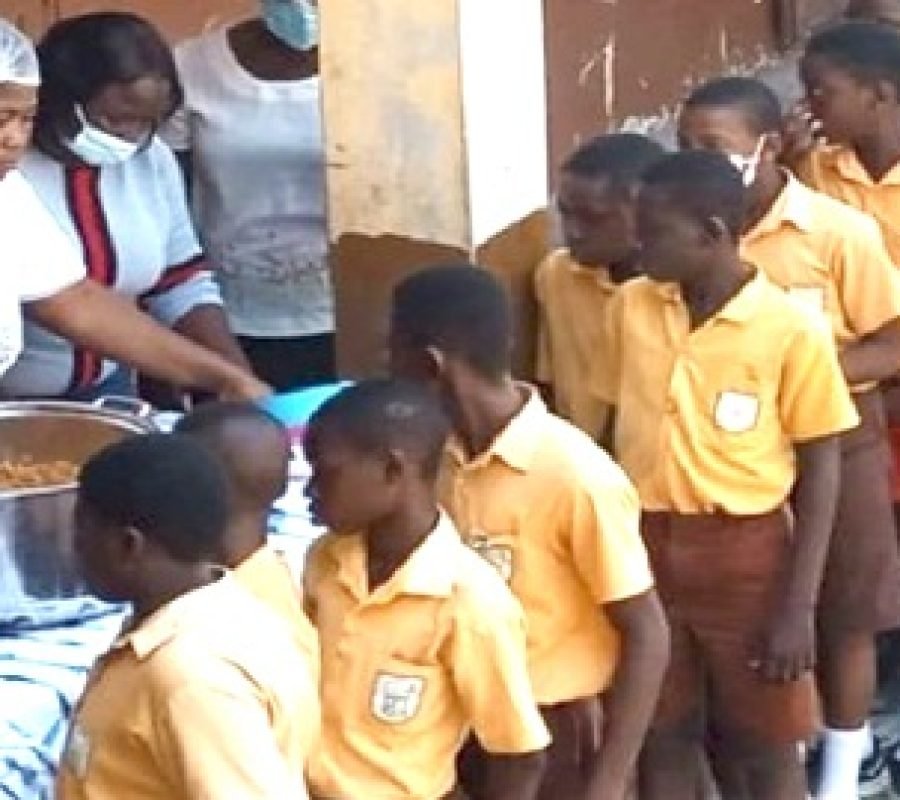
The destruction of the bridge has created a humanitarian emergency in the Wa West District, with schoolchildren among the most severely affected. Many pupils were reportedly stranded and unable to return home after school due to the now-impassable route, leaving parents frantic with worry amid ongoing rainfall.
Wa West Bridge Collapse: What Caused the Destruction
The Wa West bridge collapse was triggered by torrential downpours on Monday evening that caused severe flooding in the Meteu area. The floodwaters overwhelmed the community bridge’s structural capacity, rendering it unsafe and impossible for residents, commuters, and vehicles to cross.
The incident is the latest in a recurring pattern of infrastructure destruction during Ghana’s rainy season. Communities in the Upper West Region are particularly vulnerable to such disasters due to limited drainage infrastructure and the construction of bridges that are not engineered to withstand increasingly intense rainfall events.
Residents of Meteu and surrounding communities now find themselves effectively isolated, with no alternative route to access essential services. The Wa West bridge collapse has exposed the fragility of rural infrastructure in northern Ghana, where a single point of failure can sever entire communities from the outside world.
Wa West Bridge Collapse Leaves Schoolchildren Stranded
Among the most distressing consequences of the Wa West bridge collapse is the impact on schoolchildren. Reports from the area indicate that many pupils were unable to cross the damaged bridge after school, leaving them stranded on the wrong side with no safe way to return home.
Parents have expressed deep concern about the safety of their children, particularly given the continued rainfall and the risk of further flooding. The Wa West bridge collapse has disrupted the education of hundreds of children in the affected communities, adding to the challenges already faced by families in one of Ghana’s most underserved regions.
The incident highlights a broader vulnerability in Ghana’s education system: when rural infrastructure fails, it is children who pay the highest price. Access to education in the Upper West Region depends entirely on the reliability of roads and bridges that are increasingly at the mercy of extreme weather.
Wa West Bridge Collapse Demands Urgent Government Intervention
Community members affected by the Wa West bridge collapse are appealing to government authorities, the district assembly, and disaster management agencies to urgently intervene and restore access to the affected communities. Residents say the situation has heightened fear and uncertainty, with no timeline given for when the bridge might be repaired or replaced.
The Wa West District has seen significant development efforts in recent years, including poverty reduction programmes and infrastructure projects. However, the Wa West bridge collapse demonstrates that much more investment is needed in climate-resilient infrastructure that can withstand the increasingly severe weather patterns affecting northern Ghana.
District authorities and the National Disaster Management Organisation (NADMO) are expected to assess the damage and coordinate emergency response efforts. In the meantime, residents of Meteu and neighbouring communities face an indefinite period of isolation that threatens their livelihoods, health, and children’s education.
Climate Change and the Wa West Bridge Collapse
The Wa West bridge collapse is part of a wider trend of infrastructure destruction driven by changing rainfall patterns across Ghana. As climate change intensifies, communities in the Upper West Region and other parts of northern Ghana face increasingly frequent and severe flooding events that overwhelm aging and inadequate infrastructure.
Rural bridges, many of which were constructed decades ago without consideration for current rainfall volumes, are particularly vulnerable. The Wa West bridge collapse serves as a stark warning that Ghana’s infrastructure planning must urgently incorporate climate resilience if communities are to be protected from recurring disasters.
The residents of Meteu are not alone in their suffering. Across Ghana, heavy rains routinely destroy bridges, roads, and homes, displacing thousands and costing billions of cedis in damage. The Wa West bridge collapse is a reminder that adaptation to climate change is not a future concern — it is an immediate and pressing necessity.
Until comprehensive infrastructure upgrades are undertaken, communities like Meteu will remain at the mercy of the next downpour, with schoolchildren, farmers, and families bearing the consequences of systemic underinvestment in rural resilience.
Source: MyJoyOnline