European Leaders Juggle Ukraine Aid While Appeasing US
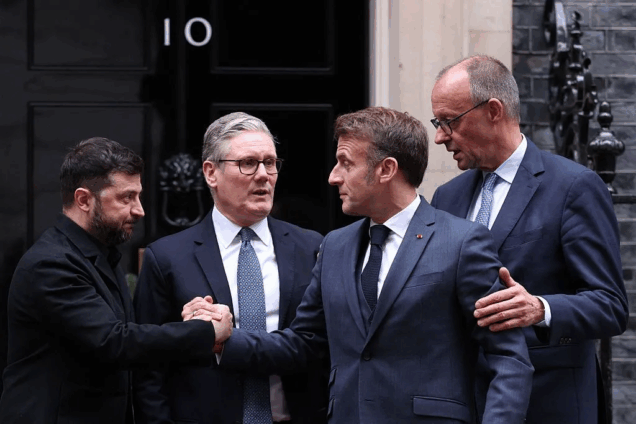
Ukrainian President Volodymyr Zelensky met Prime Minister Sir Keir Starmer, French President Emmanuel Macron and German Chancellor Friedrich Merz in London on Monday, as Washington pushes for a rapid peace settlement with Russia.
The talks, held at Downing Street, focused on two thorny issues: whether Kyiv would have to cede territory to Moscow and what hard‑edged security guarantees could be offered to ensure any deal is respected.
Starmer reiterated his long‑standing demand that Ukraine receive “hard‑edged security guarantees” and warned that Kyiv must decide its own future without external conditions. “Ukraine must have real, enforceable guarantees,” the British Prime Minister said.
Macron and Merz echoed the need for a durable framework, but Merz added he was “sceptical about some of the details” emerging from the United States’ draft plan.
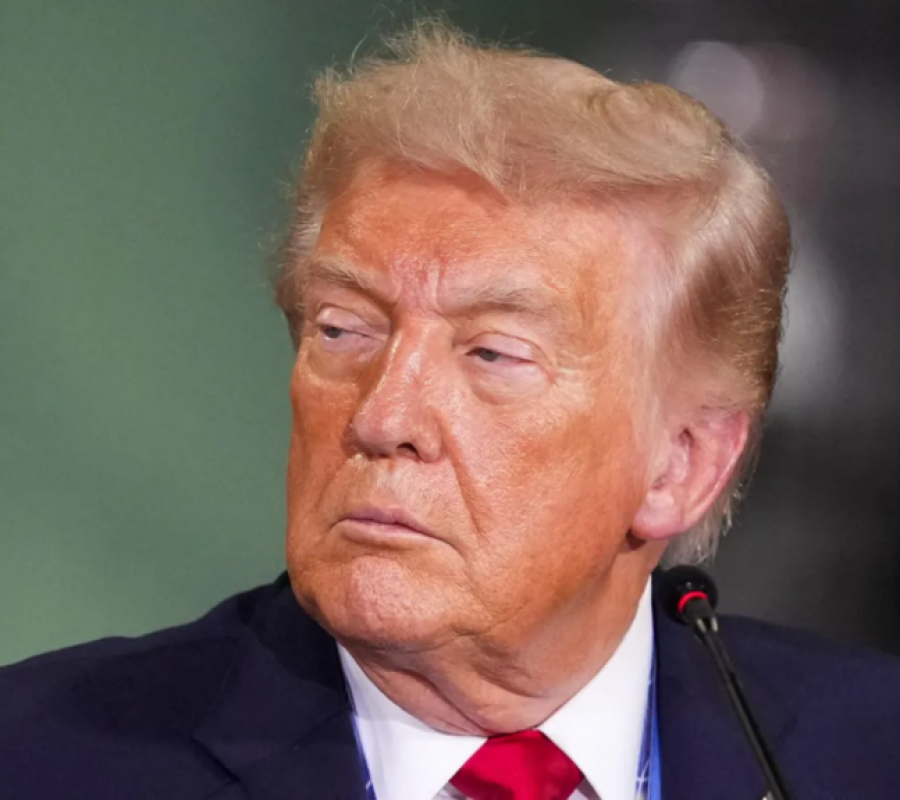
Washington’s latest National Security Strategy accuses European allies of harbouring “unrealistic expectations” about ending the war, a comment that has not been publicly addressed by the leaders in London but fuels concerns that President Donald Trump seeks a quick fix to shift focus elsewhere.
European officials worry that rewarding Russia with any portion of Ukrainian land could embolden Moscow to test borders elsewhere in the continent, a scenario that would destabilise regions as far as the Baltic states and Poland.
From Accra, Ghana’s Ministry of Foreign Affairs and Regional Integration has called for “a sustainable peace that respects Ukraine’s sovereignty” and urged both the United States and European partners to avoid any settlement that compromises territorial integrity.
Ghanaian businesses with links to the European defence supply chain are also watching the negotiations closely, as reduced Western military aid could affect contracts for Ghanaian firms involved in logistics and maintenance.
While the United States has halted direct lethal aid to Kyiv, it continues to provide intelligence and allows European nations to re‑export U.S.‑origin weapons to Ukraine. Analysts note that euro‑centric defence budgets remain constrained, with the UK battling strained public services and France earmarking only €120 million for civilian and military assistance next year.
As the diplomatic dance continues, the next steps remain unclear. European leaders appear intent on keeping the United States engaged without alienating it, while Kyiv seeks guarantees that any peace will be backed by a credible security framework. The outcome of Monday’s talks will likely shape the next phase of negotiations and the broader security architecture of Europe.
Image Source: MYJOYONLINE