Police Investigate Suspicious Death of Woman Found Decomposing in Somanya Bush
Police Investigate Suspicious Death of Woman Found Decomposing in Somanya Bush
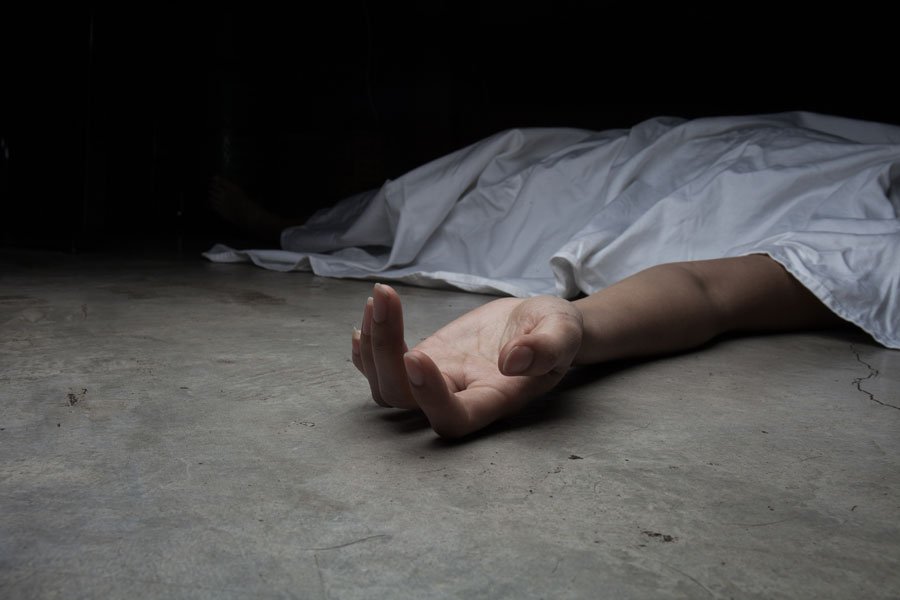
The discovery of a decomposing female body hanging from a tree in the bush community of Brigade, Somanya, has triggered a criminal investigation that exposes the gaps in Ghana’s missing persons reporting system and raises troubling questions about how long such tragedies can go unnoticed in our communities.
Police were alerted on Thursday morning after residents followed a persistent foul odor to a nearby bush, where they found the body of what appears to be a woman between 30 and 40 years old. The advanced state of decomposition made visual identification impossible, but investigators noted a piece of cloth tied around the neck and other indicators suggesting possible assault.
“This is not a case of natural causes or suicide,” stated ASP Nana Akomeah, Somanya District Police Commander, in an interview with the Ghana News Agency. “From the look of things, we suspect foul play because there are signs that suggest the body was assaulted.”
The timeline emerging from the investigation is particularly disturbing. Based on the decomposition state, investigators believe the body had remained at the location for approximately three weeks. This means the woman may have been deceased since late May, yet no missing person report matching her description had been filed with authorities until June 17.
That report came from a man searching for his wife. Though he was invited to the Yilo Krobo District Hospital mortuary to attempt identification, he confirmed the deceased was not his spouse. Police have also reached out to the University of Environment and Sustainable Development regarding a missing student report, but the advanced decomposition has prevented confirmation of identity through conventional means.
The body has been deposited at the Yilo Krobo District Hospital mortuary for preservation and autopsy, which will be crucial in determining both the cause of death and potentially identifying the victim through forensic methods. Simultaneously, police are collaborating with the Environmental Protection Agency to fumigate the area where the body was found, addressing legitimate public health concerns about decomposition in a residential vicinity.
This case highlights a troubling pattern in how missing persons cases are handled in Ghana. The three-week gap between when the woman likely died and when authorities were alerted suggests significant breakdowns in community reporting mechanisms or family notification systems. In many communities, particularly rural areas, there remains a reluctance to involve police in what might be perceived as family matters, or families may lack the resources or knowledge to file missing person reports promptly.
The investigation continues as police review station diaries and missing persons records from the past month. For the community of Brigade and surrounding areas, the discovery serves as a grim reminder of the vulnerabilities that exist when social safety nets fray and how easily individuals can disappear from view without triggering an adequate response.
As the autopsy results await, one question lingers: How many more individuals might be lying undiscovered in Ghana’s bushes, forests, and unmonitored spaces, their absence unnoticed until decomposition betrays their presence?
Image Source: MYJOYONLINE