President Mahama Will Not “Play Games” Over Anti-LGBTQ Bill, Says Akwatia MP
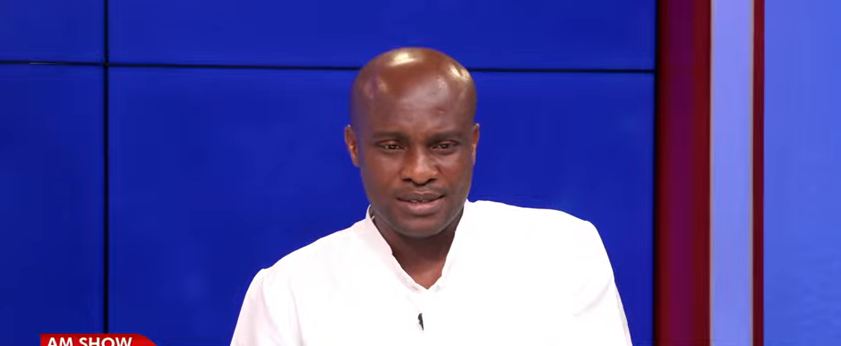
Bernard Bediako, the Member of Parliament for Akwatia, has expressed confidence that President John Dramani Mahama will sign the Human Sexual Rights and Family Values Bill, 2025, into law, even if fresh legal challenges are mounted against the legislation.
The controversial measure, widely referred to as the anti-LGBTQ+ bill, was passed by Parliament on Friday, 29 May. It seeks to criminalise LGBTQ+ activities in Ghana and introduces amendments that exempt certain individuals and institutions from sanctions under its provisions. The bill now awaits the president’s assent.
“He Will Not Play Games”
“He will not play games with the people of Ghana. He will not, even if the Manhyia South MP decides to go to court,” Mr Bediako said, referring to Nana Agyei Baffour Awuah. “I know that the very day President Mahama receives this, he would assent to this.”
The Akwatia MP framed the bill’s passage as a test of presidential resolve, drawing an implicit contrast with former President Nana Addo Dankwa Akufo-Addo, who did not assent to an earlier version of the bill during his tenure. Political scientist Ransford Gyampo has described Ghana as a transitional democracy, arguing that certain rights frameworks seen in advanced democracies cannot fully apply at Ghana’s current stage of development — a characterisation that helps explain the political consensus behind the bill.
“For me, we’ve come far. Now it’s a test case for President Mahama. What former President Akufo-Addo could not do, it is expected that President Mahama will do. He has assured us,” Mr Bediako added.
A Long Legislative Journey
The bill, formally titled the Promotion of Proper Human Sexual Rights and Ghanaian Family Values Bill, was originally introduced in June 2021 by a bipartisan group of Members of Parliament led by Ningo-Prampram MP Sam George. It underwent its first reading in August 2021 and was subsequently referred to Parliament’s Constitutional, Legal and Parliamentary Affairs Committee for scrutiny.
Between 2021 and 2022, the committee held extensive public hearings involving religious bodies, traditional authorities, legal experts, civil society organisations and human rights groups. The hearings sparked widespread public debate, with supporters arguing that the bill was necessary to protect Ghanaian cultural and family values, while opponents described it as unconstitutional and discriminatory.
The bill’s passage through Parliament was not without controversy. Legal scholars and human rights organisations have raised concerns about its compatibility with constitutional protections for personal liberty and freedom of expression. The NDC Council of Elders recently issued a stern warning against premature presidential campaigns, a sign that the party is keenly aware of how divisive social issues can shape political fortunes ahead of future elections.
What Comes Next
The bill now enters a critical phase. Once formally transmitted to the presidency, President Mahama will face a choice that balances his stated commitments, the expectations of the bill’s supporters, and the legal challenges that are almost certain to follow. Mr Bediako indicated that the bill will undergo further technical refinement before being presented to the president.
“Let me put on record that it is now going to be fine-tuned. That is what happens. I mean, do the proper drafting before it’s presented to the President,” he said.
Whatever the outcome, the bill’s passage marks a defining moment in Ghana’s ongoing debate over human rights, cultural values, and the limits of state authority in regulating private life. The coming weeks will reveal whether presidential assent ends the matter or opens a new chapter of legal and political contestation.
Image Source: MYJOYONLINE