Money Is Flowing Back Into South Africa As JSE Emerges Among Top Global Performers
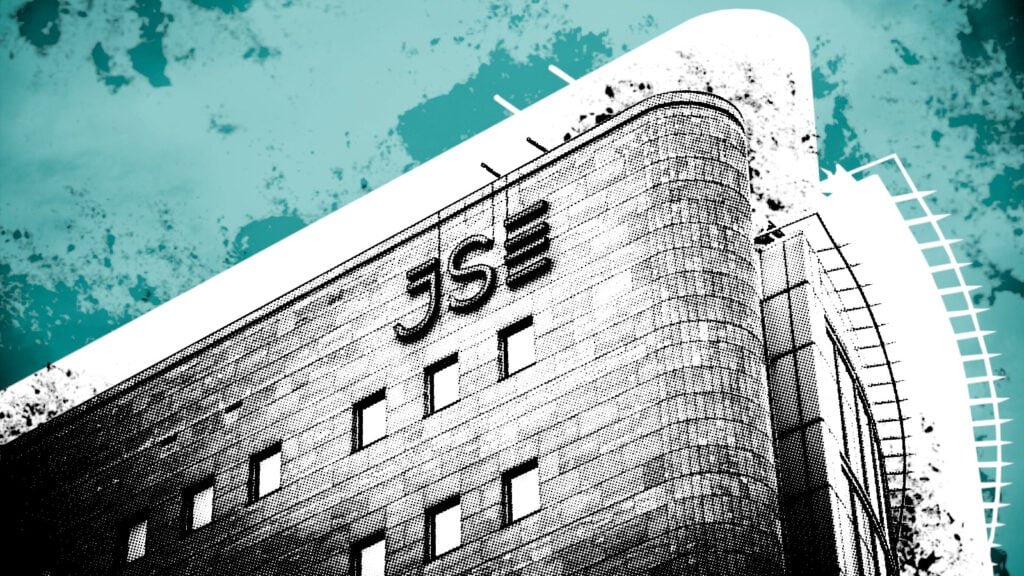
South Africa’s equity market is staging a remarkable comeback. After years of subdued foreign interest and persistent capital outflows, the Johannesburg Stock Exchange is now among the best-performing equity markets in the world, according to JSE chief executive Valdene Reddy.
Speaking at a recent industry event, Reddy pointed to a decisive shift in investor sentiment that has taken hold since the 2024 National Elections. The formation of a Government of National Unity, once regarded with scepticism by markets, has proven to be a turning point. The JSE’s All Share Index has climbed steadily, drawing attention from institutional investors both at home and abroad.
The recovery has been largely driven by domestic investors who, after years of diversifying into offshore assets, have begun channelling capital back into local equities. South African pension funds, asset managers and retail investors appear to have rediscovered confidence in the country’s listed companies, particularly in the financial services and resources sectors.
Foreign investors, while slower to return, are also increasing their allocations. Non-resident equity flows, which had been negative for much of 2022 and 2023, have turned positive. The weaker rand, combined with improving earnings outlooks for major JSE-listed companies, has made South African equities an attractive proposition for global funds seeking diversification. The trend echoes broader findings about the economic pressures facing South Africa’s working population, where growth in financial markets has yet to meaningfully reach ordinary citizens.
The shift is not without precedent. South Africa’s equity market has historically been closely tied to political stability and policy clarity. The post-election period has delivered both, with the coalition government signalling a commitment to fiscal discipline, structural reform and a more business-friendly regulatory environment. These signals have been enough to convince many investors that the worst may be behind them.
However, the optimism comes with caveats. South Africa’s broader economic challenges remain formidable. Unemployment hovers above 30 per cent, infrastructure bottlenecks persist, and load-shedding, though less frequent than in previous years, continues to weigh on industrial output. The revival in equity markets does not yet translate into a broader economic renaissance.
There is also the question of sustainability. Past rallies in South African equities have often been short-lived, derailed by political shocks, policy reversals or external global events. The looming debt crisis at Sappi, one of the country’s most storied industrial companies, serves as a reminder that not all corners of the market are sharing in the recovery.
For now, though, the mood on the trading floors of Sandton is notably more buoyant than it has been in years. The return of capital to South African shores, whether from local or foreign sources, signals a tentative vote of confidence in the country’s economic trajectory.
As Reddy noted, the numbers tell a compelling story. But the real test will come in the months ahead, as the government seeks to translate political stability into tangible economic gains for ordinary South Africans.
Image Source: GHANAMMA