Plastic manufacturers oppose 2027 Styrofoam ban, plead with Mahama for extension to 2030
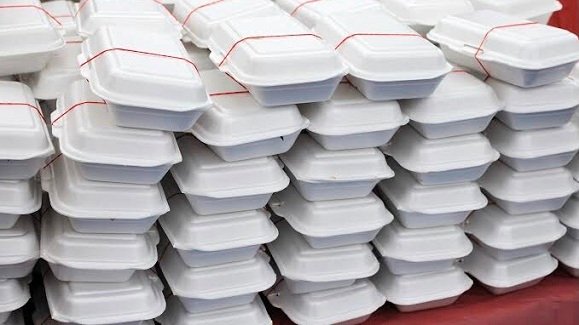
Ghana’s plastic manufacturers are sounding the alarm over a looming ban on Styrofoam that threatens to unravel a sector employing tens of thousands and supporting millions more downstream. The Ghana Plastic Manufacturers’ Association (GPMA) has formally appealed to President John Dramani Mahama to push back the Environmental Protection Authority’s January 2027 deadline for a nationwide prohibition on expanded polystyrene, arguing that the seven‑month notice period is insufficient to retool factories or recoup investments.
The stakes are enormous. GPMA represents 171 production plants across the country, with a combined capital investment of GH¢1.49 billion in Styrofoam‑specific machinery—most of it financed through bank loans. Direct employment stands at 41,395 workers, while an estimated 3.71 million jobs depend indirectly on the plastics value chain, spanning sachet water, bottled beverages, food packaging and recycling operations. Over 92 % of Ghanaian industries rely on plastic packaging, and more than half of the sector’s output is exported to ECOWAS markets such as Angola, Namibia, the DRC and Algeria, making plastics one of the country’s top five export earners.
Manufacturers contend that the EPA’s ban, announced on May 25 2026 and communicated to GPMA on June 4, leaves barely half a year to transition. “Absolutely no Styrofoam manufacturing machine can be retooled to manufacture any of the proposed alternatives using plant‑based materials,” the association warned, noting that the existing regulatory framework had justified the massive capital outlays. A sudden shift, they argue, would constitute an indirect closure of businesses, jeopardising loan repayments and triggering a cascade of factory shutdowns, foreign‑exchange pressures as importers scramble for substitutes, and potential capital flight if machinery is relocated abroad.
GPMA’s proposal is pragmatic: extend the deadline to January 1 2030, coupled with an 18‑month transition period contingent on the development of viable alternative packaging and the establishment of robust extended producer responsibility (EPR) and recycling infrastructures. As a fallback, the group urges a phased import ban on finished Styrofoam products beginning January 2027 while domestic capacity for substitutes is built up. Should the Jan 2027 date stand, GPMA requests a bailout or reimbursement of the GH¢1.49 billion invested in plant and machinery to shield firms from insolvency.
Environmental advocates counter that pollution stems from waste‑management failures, not production, citing Germany, South Korea and the Netherlands where EPR schemes and recycling networks have curtailed polystyrene litter without outright bans. Yet the manufacturers’ plea underscores a broader dilemma: how to balance ecological imperatives with the socioeconomic realities of an industry that is both a major employer and a critical supplier to downstream sectors. The outcome of this tussle will test the government’s ability to craft industrial policy that protects jobs and investment while steering the nation toward sustainable materials—without precipitating an avoidable economic shock.
Image Source: MYJOYONLINE