Peace and Love Hospital Staff Trained to Use Weather Forecasts in Healthcare Planning
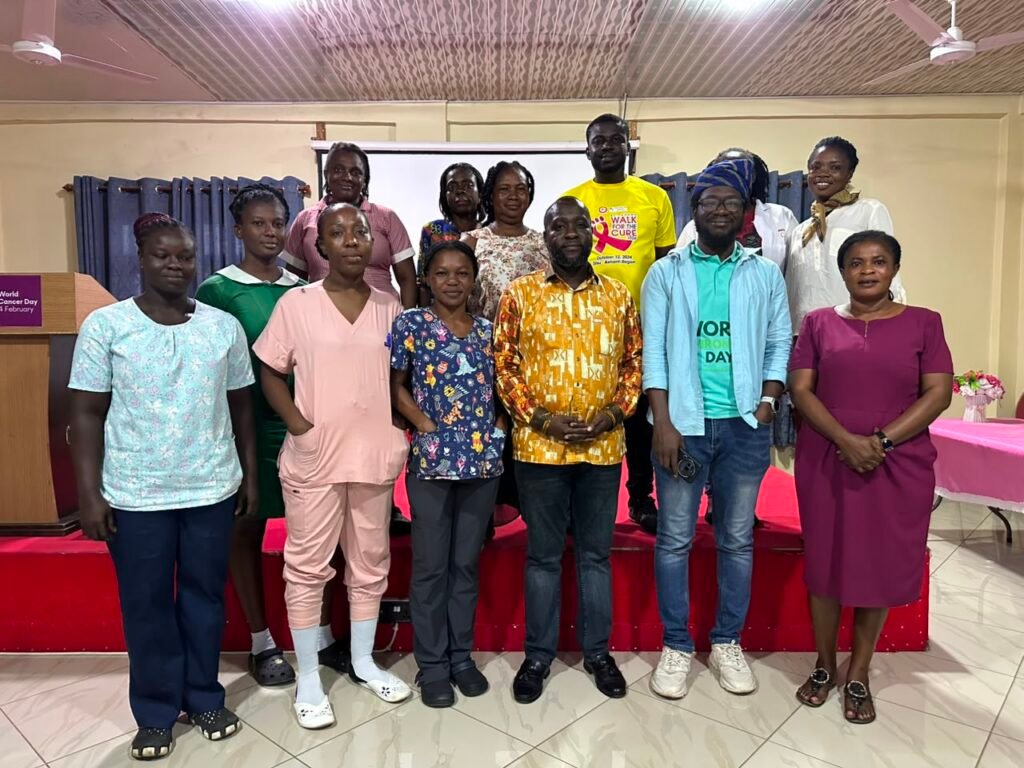
Health workers at Peace and Love Hospital in the Ashanti Region have undergone training on how to interpret weather forecasts and apply meteorological information to healthcare planning, as experts warn that extreme weather events are becoming an increasingly significant challenge for health systems across Ghana.
The training, organised by the Centre for Climate Change and Food Security (CCCFS), brought together nurses, administrators, customer service personnel, researchers and support staff. Participants were introduced to practical methods for analysing forecasts issued by the Ghana Meteorological Agency (GMet) and assessing the potential impact of weather hazards such as heavy rainfall, thunderstorms, heatwaves and dust outbreaks on hospital operations.
The initiative reflects a growing recognition among health professionals that weather information is not merely a matter of public convenience but a critical operational tool. Floods can cut off access to hospitals and delay emergency referrals. Storms can damage infrastructure and disrupt electricity supplies needed to power critical medical equipment. Heatwaves can increase admissions related to dehydration and cardiovascular stress, while dust outbreaks can worsen respiratory illnesses and place additional pressure on healthcare facilities.
According to the World Health Organization, climate change is among the most significant threats to global health in the 21st century, with weather-related disasters increasingly affecting healthcare delivery around the world. For Ghana, where flooding, storms and extreme heat periodically disrupt communities, the challenge is particularly acute.
During the training, participants worked through practical exercises based on real weather scenarios. One exercise examined a forecast indicating a 90 per cent probability of extreme rainfall, with surrounding communities already experiencing flooding. Participants assessed the level of risk, identified likely impacts on healthcare delivery and recommended actions that should be taken before the weather event occurred.
The exercise prompted discussions on emergency staffing, backup power systems, patient safety, ambulance operations and the protection of medical equipment. For many participants, it was the first time they had viewed weather forecasts as operational tools rather than general public information.
The Hospital Administrator, Mr Daniel Agyei-Nsiah, described the training as timely. ‘We learnt a lot, especially interpreting weather forecasts so as not to fall into unplanned weather conditions as we strive to improve our patient care,’ he said, expressing hope that similar programmes would be expanded to other health facilities.
The training also reflects broader international efforts to strengthen early warning systems. Advocates of such initiatives argue that early warnings save lives only when people understand the information and take appropriate action. For hospitals, that could mean reviewing emergency response plans, protecting essential equipment, adjusting staffing arrangements or coordinating with emergency services before severe weather strikes.
Ghana’s health sector has been confronting a range of environmental and public health challenges in recent months. Vehicle pollution has emerged as a leading risk factor for death in urban centres, while climate-related events continue to strain healthcare infrastructure. The CCCFS training represents a proactive approach to building institutional resilience against these growing threats.
Engr Mahmud Mohammed-Nurudeen, Executive Director of CCCFS, said weather information should be viewed as a decision-support tool across multiple sectors. ‘We receive weather forecasts every day, but the value of those forecasts depends on how they are interpreted and applied,’ he said. ‘Health facilities are among the institutions that can benefit significantly from acting on weather information before hazards occur.’
Across Africa, there is growing recognition that weather and climate information should play a larger role in health planning. As global temperatures rise and weather extremes become more frequent, the ability of healthcare institutions to understand and act on meteorological data may become an increasingly important component of effective healthcare delivery.
Image Source: MYJOYONLINE