Opoku-Agyemang unveils blueprint for economic recovery to diaspora in Canada
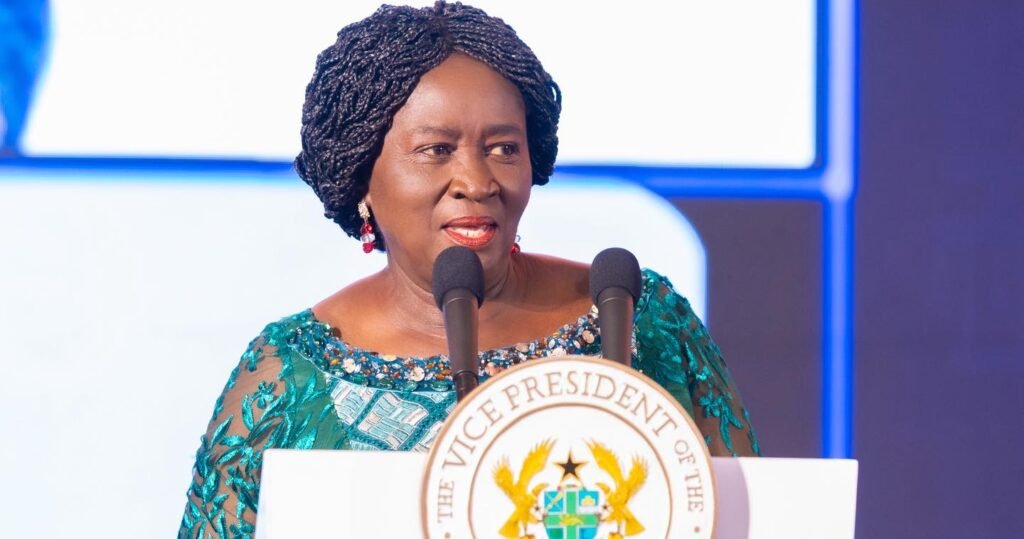
Vice President Professor Naana Jane Opoku-Agyemang recently addressed the Ghanaian diaspora in Canada, presenting a comprehensive economic recovery plan centered on two strategic pillars: industrial expansion and aggressive infrastructure development. Speaking to a packed gathering in Toronto on June 19, 2026, she outlined how these initiatives aim to revitalize Ghana’s economy amid global uncertainties.
The cornerstone of the plan is the proposed 24-Hour Economy policy, designed to break the conventional 9-to-5 work culture. By extending business operations beyond traditional hours, the government anticipates increased productivity, job creation, and broader economic activity across sectors. This approach seeks to maximize the utilization of existing resources and infrastructure, potentially unlocking dormant economic potential.
Complementing this is the Big Push infrastructure programme, characterized by the Vice President as a mission-critical intervention to dismantle logistical bottlenecks. The initiative focuses on overhauling national road networks and improving rural-to-urban connectivity. Lower transport costs and enhanced market access for farmers are among the expected benefits, which could significantly boost agricultural productivity and reduce post-harvest losses.
Specific agricultural interventions include the Feed Ghana Initiative, which aims to establish Farmer Service Centres nationwide. These centres would provide technical support and inputs to supercharge food security and agricultural productivity. By targeting the agricultural sector, which employs a significant portion of Ghana’s workforce, the plan addresses both immediate food security concerns and long-term economic resilience.
Social equity measures form another critical component of the recovery blueprint. The No-Fees Stress policy removes financial barriers to higher education, while the Free Primary Healthcare initiative rolls out nationwide free primary health services. Additionally, the Women’s Development Bank will offer dedicated credit facilities for female entrepreneurs, and the MahamaCares welfare programme will provide targeted social support for vulnerable citizens. These measures aim to ensure inclusive growth and prevent marginalization during the economic transformation.
Recognizing the vital role of the diaspora, Professor Opoku-Agyemang called on Ghanaians in Canada to maintain active involvement with their homeland. She emphasized that diaspora expertise and investment are seen as vital catalysts for Ghana’s long-term economic transformation. This appeal follows similar engagements by traditional leaders, such as the recent urging by Otumfuo Osei Tutu II for the diaspora to preserve cultural heritage during a gathering in Toronto.
While the presentation outlined an ambitious vision, successful implementation will depend on effective coordination between government agencies, private sector participation, and sustained diaspora engagement. The coming months will reveal whether these policies can translate from blueprint to tangible economic improvements for Ghana.
Image Source: MYJOYONLINE