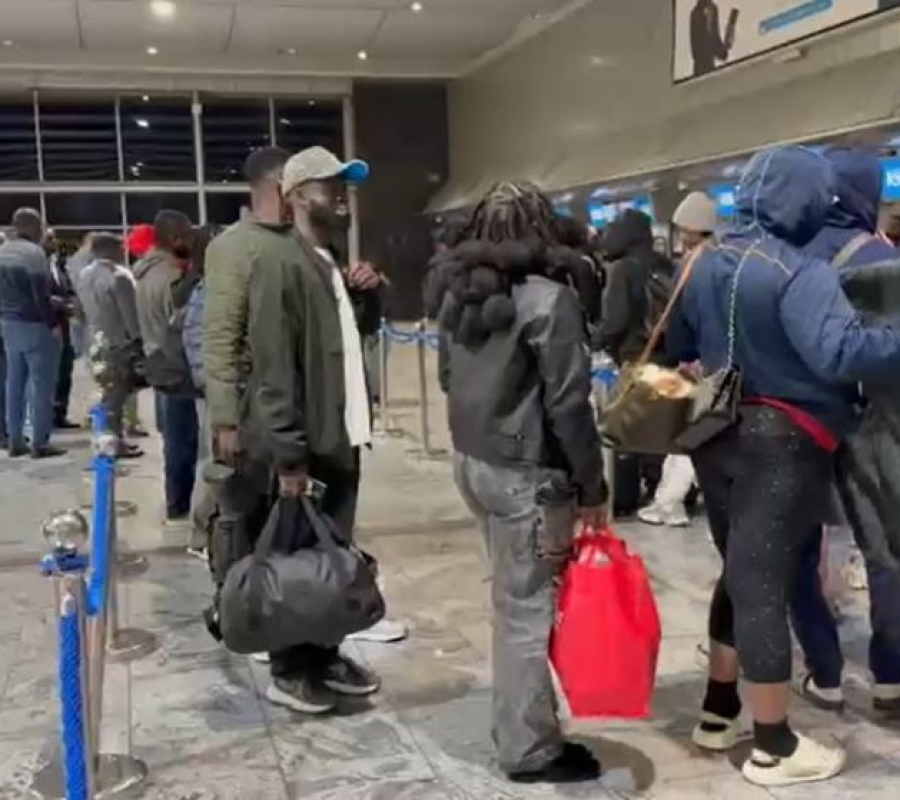
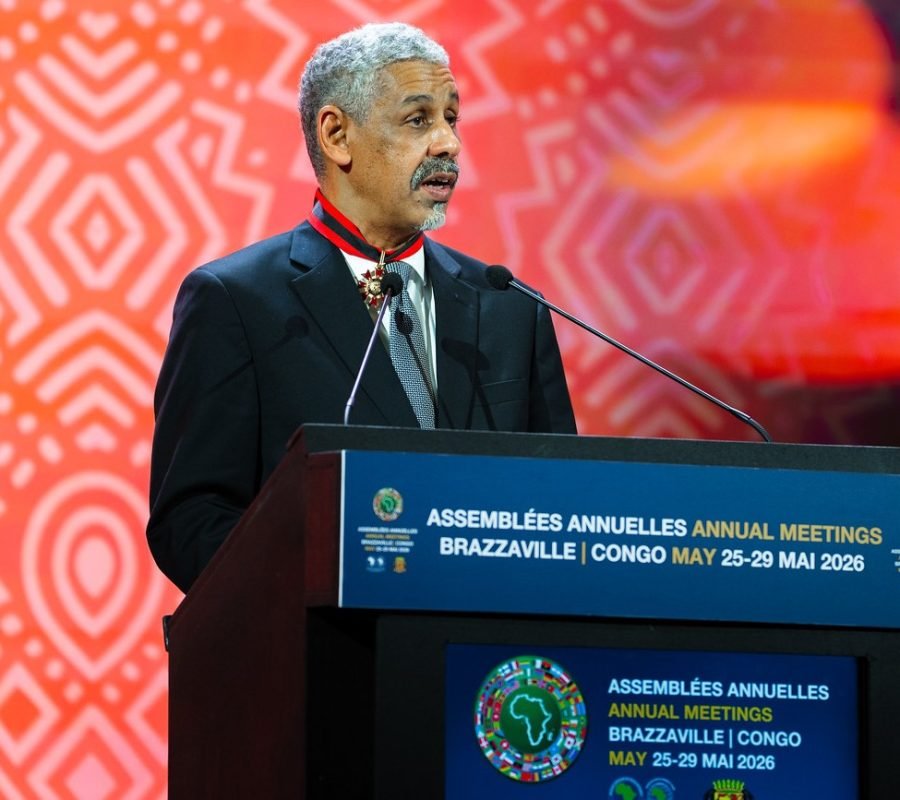
Mukhisa Kituyi Claims Americans from Ebola Zones in DRC Are Being Flown to Kenya Under US Deal
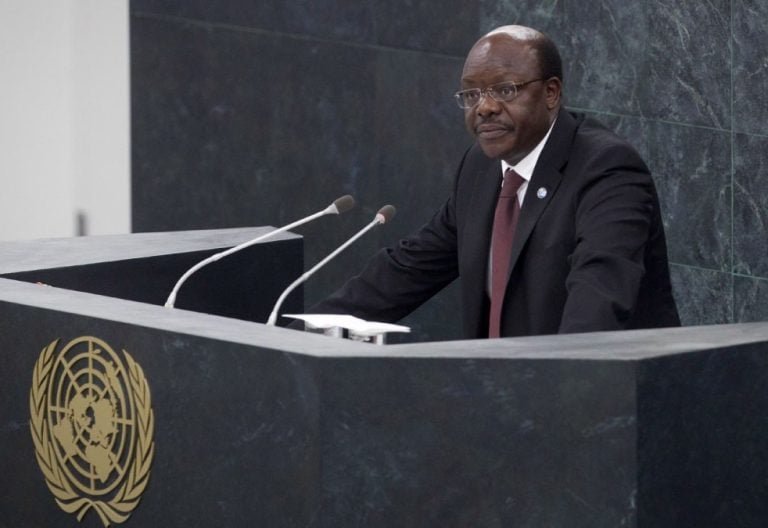
NAIROBI — Former United Nations Conference on Trade and Development Secretary-General Mukhisa Kituyi has made the explosive claim that the United States government has quietly brokered an agreement to fly individuals suspected of Ebola exposure from the Democratic Republic of Congo into Nairobi, raising alarm across East Africa about potential biosecurity risks.
Dr Kituyi, a Kenyan diplomat who led UNCTAD from 2013 to 2021, made the allegations during a public appearance on Wednesday, asserting that Washington had orchestrated the transfers under a discreet bilateral arrangement with Kenyan authorities. He did not provide documentary evidence or name specific officials involved in the purported deal, but framed the claim as a matter of urgent public concern for the Kenyan population.
The allegations come at a particularly sensitive moment. The World Health Organisation has been scrambling to contain a fast-moving Ebola outbreak in eastern Congo, where armed conflict has displaced hundreds of thousands of people and severely hampered international response efforts. The WHO Director-General issued an urgent appeal earlier this week for an immediate ceasefire in the affected regions, warning that the outbreak is outpacing containment measures.
If Dr Kituyi’s claims prove accurate, the implications would be far-reaching. Transporting individuals with potential Ebola exposure through one of Africa’s busiest transit hubs would pose serious risks to public health, particularly given Nairobi’s role as a gateway for international travel across the continent. Kenya’s Jomo Kenyatta International Airport handles millions of passengers annually, and any undetected transmission event could have catastrophic consequences.
Kenyan health authorities have not publicly responded to the allegations. The Ministry of Health did not issue a statement by late Wednesday evening, and attempts to reach senior officials were unsuccessful. The United States Embassy in Nairobi also remained silent, and the State Department has not addressed the claims through its official channels.
The allegations have nonetheless sent shockwaves through Nairobi’s policy community. Public health experts expressed concern not only about the potential breach of biosecurity protocols but also about the sovereignty implications of a foreign government arranging the transfer of infectious disease cases without public disclosure or parliamentary oversight.
“If this is true, it represents a fundamental failure of transparency,” said one Kenyan epidemiologist who spoke on condition of anonymity. “Kenyan citizens have a right to know if individuals with potential Ebola exposure are being brought into the country, and under what conditions. This is not something that can be handled through backroom deals.”
The DRC Ebola outbreak has already tested the limits of the international health response system. Ghana and other West African nations have been strengthening their own preparedness measures, with lawmakers calling for readiness infrastructure that extends well beyond capital cities. The prospect that exposed individuals might be transiting through East African capitals adds a new dimension to an already complex crisis.
Dr Kituyi’s credibility as a former senior UN official lends weight to the allegations, though his recent political career has not been without controversy. He ran unsuccessfully for the Kenyan presidency in 2022 and has remained an active voice in regional politics. His willingness to make such claims publicly suggests he believes the evidence supports them, even if he has not yet presented that evidence to the public.
For Kenya, the episode raises uncomfortable questions about the country’s relationship with Washington and the extent to which bilateral security and health agreements might operate outside public scrutiny. The United States maintains significant military and intelligence assets in East Africa, and the two countries cooperate closely on counterterrorism operations in Somalia. Whether that cooperation extends to health-related transfers remains an open question.
As the Ebola outbreak in Congo continues to spread and the international response struggles to keep pace, Dr Kituyi’s claims have added a troubling new layer to an already volatile situation. Whether they prompt a formal investigation or fade into the noise of Kenyan political discourse will depend largely on how quickly and transparently the authorities choose to respond.
Image Source: GHANAMMA