IShowSpeed Called Ghana Home. Now the World Is Watching.
On a January morning in 2026, one of the most-watched people on the internet stepped onto Ghanaian soil, looked into a camera carrying tens of millions of live viewers, and said seven words that resonated far beyond the moment: “I am back home, there ain’t no better feeling.”
The man was Darren Watkins Jr., known to the world as IShowSpeed. Rolling Stone had named him the Most Influential Creator of 2025. With more than 50 million YouTube subscribers and over 135 million followers across platforms, his reach rivals that of any traditional media outlet on earth. What made the moment extraordinary was not the celebrity spectacle, but the revelation that followed: Speed’s ancestry traces to Ghana, and the emotion on screen was not performed.
Within days, Ghana’s Foreign Minister announced that Speed would be granted a Ghanaian passport, calling him a worthy ambassador with irrefutable ties to the country. At a formal ceremony in Akropong, he was given a Ghanaian name: Barima Kofi Akuffo. The gesture was at once deeply personal and unmistakably symbolic—a country claiming one of its own, and a young man claiming his roots in front of an audience larger than most nations possess.
When someone with that kind of cultural gravity calls Ghana home in front of the entire world, it does not merely trend. It permanently shifts perception. For millions of young viewers who may never have thought about West Africa, the livestream planted a seed. For the African diaspora, already engaged in a years-long conversation about return and belonging, it was the loudest affirmation yet of a movement that has been gathering force since 2019.
The Movement Behind the Moment
IShowSpeed’s declaration did not emerge from nothing. It landed on soil already prepared by Ghana’s Year of Return in 2019, which marked 400 years since the first enslaved Africans were taken from the continent. That campaign drew hundreds of thousands of visitors of African descent to Ghana, many for the first time. The emotional resonance was immense: standing on the land one’s ancestors were taken from, and recognising it as home.
The government followed with Beyond the Return, a decade-long initiative running to 2030 under the theme “A Decade of African Renaissance.” Where the Year of Return was about visiting, Beyond the Return explicitly shifted the focus to belonging, investment, and long-term engagement. Real estate became a central pillar of that vision, as diaspora Ghanaians, African Americans, and Caribbean families began converting emotional connections into permanent stakes.
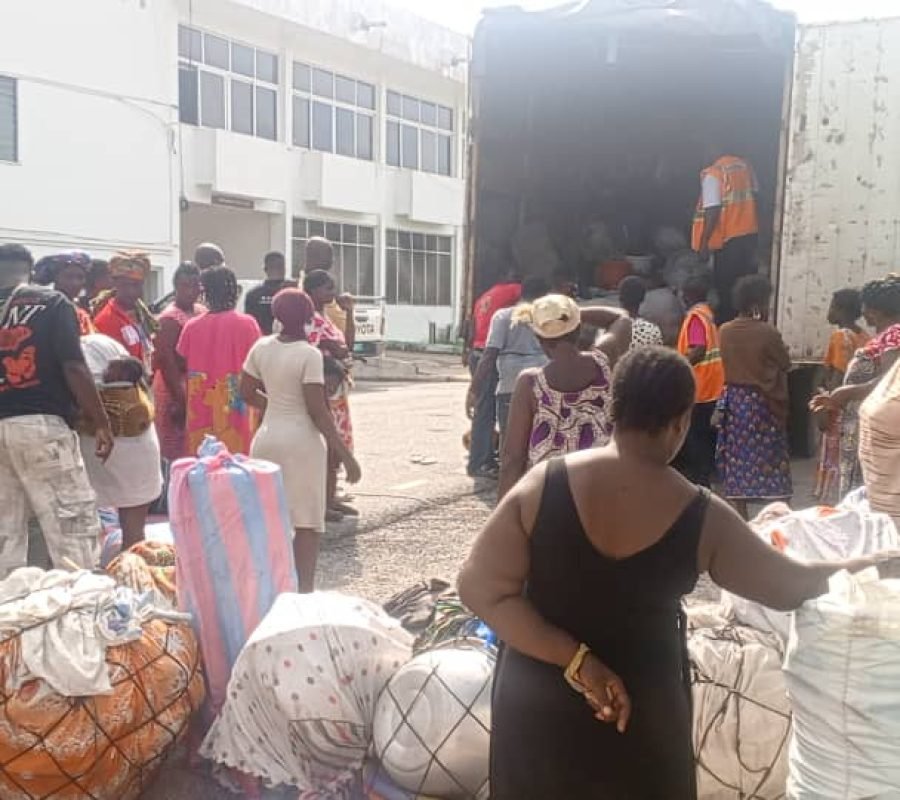
Ghana has repatriated more than 5,000 stranded citizens since the pandemic began, a figure that underscores the depth of the country’s engagement with its global diaspora. Speed’s moment is what that engagement looks like when it reaches the largest possible audience.
Why It Matters Beyond the Headlines
The significance of IShowSpeed’s Ghana visit extends well beyond internet culture. It represents a generational shift in how Africa is perceived by young people worldwide. For decades, Western media narratives about the continent were filtered through lenses of poverty, conflict, and aid. A creator of Speed’s stature choosing to embrace his Ghanaian heritage publicly, with genuine emotion, disrupts that narrative in a way that no government campaign could replicate.
The economic implications are real. Ghana’s economy has stabilised considerably in recent months. Inflation has fallen to a multi-year low. The Bank of Ghana has cut its policy rate, and the cedi has strengthened against major currencies. These fundamentals, combined with the cultural magnetism that moments like Speed’s visit amplify, are drawing serious interest from diaspora investors looking at Accra’s property market, particularly in prime neighbourhoods like the Airport Residential Area and Cantonments.
Ghana’s foreign reserves have reached record highs, and the government’s broader engagement strategy with the diaspora continues to deepen. The pause in the diaspora citizenship pathway earlier this year, described by officials as a recalibration rather than an abandonment, reflects the institutional complexity of turning cultural momentum into lasting policy infrastructure.
A Name, a Passport, a Signal
For IShowSpeed, the Ghanaian name Barima Kofi Akuffo and the promise of a passport are more than ceremonial gestures. They represent an official recognition that the ties between Africa and its diaspora are not merely sentimental but structural. The man who told tens of millions of viewers he was home now has the documents to prove it.
For Ghana, the calculation is equally clear. In a global attention economy, cultural capital is real capital. When the world’s most influential creator publicly claims your country as his own, the value is measured not just in likes and views, but in the tourists who book flights, the investors who explore opportunities, and the young Ghanaians abroad who feel a little prouder of where they come from.
IShowSpeed called Ghana home. The world was watching. And for a country that has spent years inviting the diaspora to return, that may be the most powerful endorsement it has ever received.
Image Source: MYJOYONLINE