Ghanas Ban on Polystyrene Foam Is a Bold Step Towards Environmental Cleanliness
On May 25, 2026, the Environmental Protection Authority announced a ban on selected plastic products, including polystyrene foam, marking what may be the most significant environmental policy intervention Ghana has seen in recent years. The decision arrives at a moment when the country faces a mounting waste crisis that threatens public health, urban infrastructure and the natural environment.
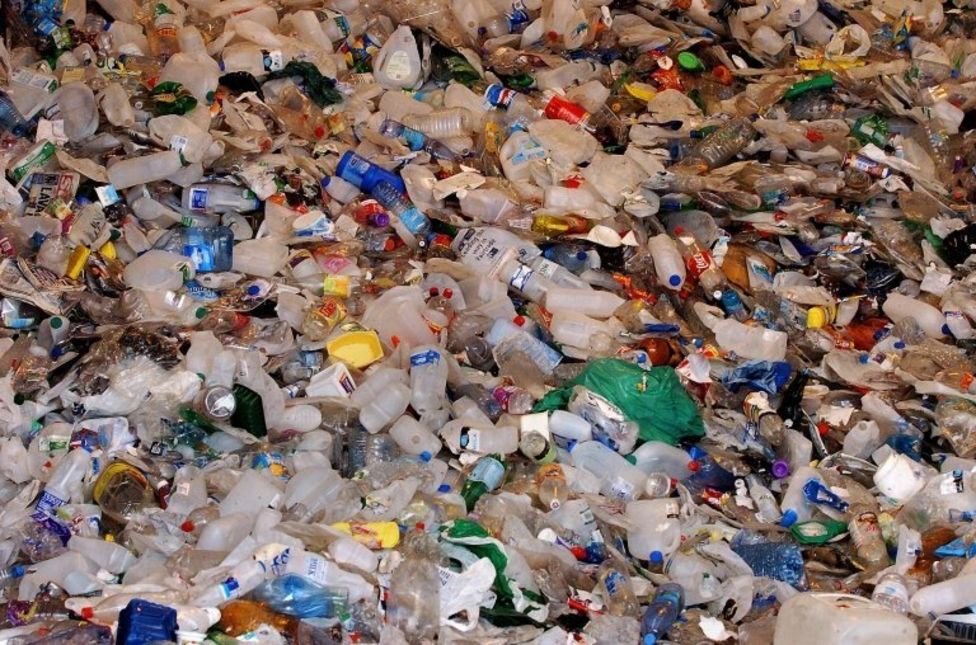
The scale of the problem is staggering. According to research by Stoler in 2017, nearly 8.2 billion sachets of water are consumed in Ghana each year. The country generates more than 3,000 metric tons of plastic waste daily, totalling roughly one million tonnes annually. An estimated 86 percent of that waste is improperly disposed of, clogging stormwater drains, rivers and streams before ultimately ending up in the Atlantic Ocean. The World Bank estimated in 2020 that some 250,000 metric tons of plastic waste are dumped from Ghana into the ocean every year.
The economic dimension is equally alarming. United Nations Conference on Trade and Development data shows that Ghana imported plastic products worth approximately USD 2.311 billion between 2017 and 2019. In 2019 alone, plastic imports reached USD 738 million, with 49 percent consisting of plastics in primary forms and 36 percent accounting for final manufactured plastic products. Additionally, an estimated 46,000 tonnes of plastic packaging materials valued at USD 56 million were imported, most with extremely short product lifecycles that contribute directly to pollution.
The consequences of this waste burden extend far beyond aesthetics. Plastic-clogged drainage systems are a primary driver of urban flooding during rainy seasons, destroying property, displacing families and disrupting economic activity. Improper disposal and open burning of plastic waste release harmful chemicals and toxic gases, contributing to respiratory infections, skin diseases and other health hazards. Water bodies and farmlands are increasingly contaminated, threatening aquatic life, food systems and biodiversity.
The ban has predictably sparked debate about cost and alternatives. Critics argue that substitute materials are more expensive and less accessible, particularly for small businesses and low-income households. These concerns are legitimate but, as the broader evidence suggests, they miss the larger picture. The true cost of plastic pollution, measured in flood damage, healthcare expenses, environmental degradation and lost economic productivity, far exceeds the temporary adjustment costs that a transition to sustainable materials would impose.
The shift is already underway in many parts of Ghanaian society. At conferences, restaurants, supermarkets and public events, paper bags, wooden cutlery and biodegradable packaging are becoming increasingly common. The deeper human dimensions of environmental crisis demand that policy interventions like this one be matched with public education and genuine support for businesses making the transition.
Rwanda offers a compelling model. Across restaurants, hotels and event venues in Kigali, reusable ceramics, metal utensils and glass cups are standard practice. Disposable plastics are virtually absent, not because citizens are policed daily, but because consistent government policy over many years shaped public attitudes and business culture. Environmental responsibility became normal behaviour.
For Ghana to replicate that success, the government must go beyond announcements. Local manufacturers producing eco-friendly alternatives need tax incentives, financing opportunities, technical support and market access. Enforcement must be fair and consistent, public education must be sustained, and affordable alternatives must be accessible to ordinary consumers. Without this comprehensive approach, the ban risks becoming another well-intentioned policy that fails at the point of implementation.
The polystyrene ban represents a genuine turning point, but only if it is treated as the beginning of a longer transformation rather than a single decisive act. The environmental, health and economic stakes are too high for half-measures.
Image Source: MYJOYONLINE