Ghana Turn to Diaspora for World Cup Backing as Partey Case and Years of Flux Cloud Planning
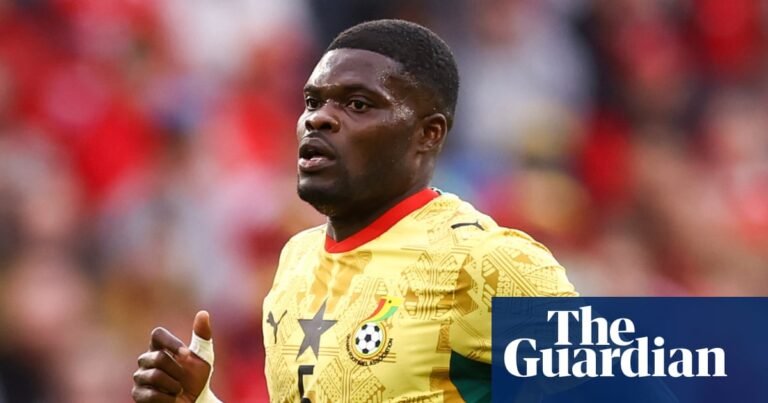
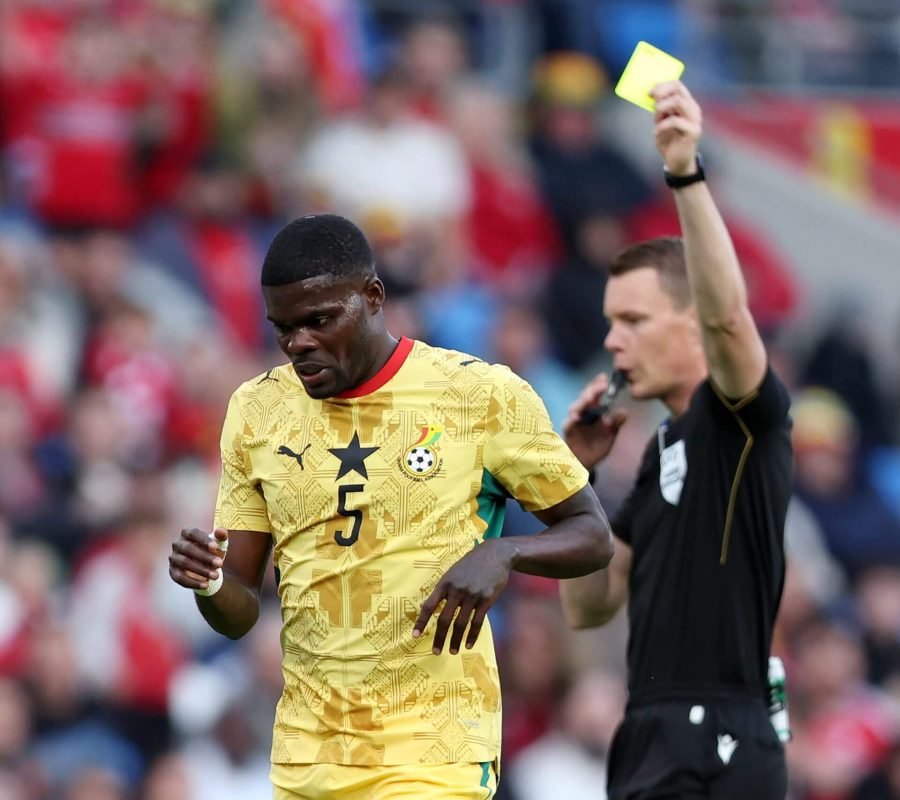
Ghana’s preparations for the 2026 World Cup have been shaped as much by forces beyond the pitch as by any tactical blueprint. The absence of Thomas Partey, barred from entering Canada ahead of the Black Stars’ opener against Panama in Toronto, and the injury-enforced withdrawal of Mohammed Kudus have stripped the squad of two of its most influential players. But behind those headline setbacks lies a deeper malaise: a programme that has spent years lurching from one coaching appointment to the next, with little strategic coherence to show for it.
The Partey situation has been particularly corrosive. The Arsenal midfielder, who faces seven charges of rape and one of sexual assault in the United Kingdom, was denied a Canadian visa after authorities determined he had provided false information on his application. Ghana’s sports minister, Kofi Adams, condemned the decision as “an overreaction” that violated the presumption of innocence, but a federal court appeal was dismissed on Tuesday evening, sealing Partey’s exclusion from the tournament.
“Ever since his issue started, we knew that once we qualified for the World Cup and had been drawn against England, there would be trouble and headlines,” journalist Gary Al-Smith has noted. The off-field drama has not only deprived Ghana of a world-class midfielder but has created a persistent distraction that the squad could ill afford heading into a group that includes England and Croatia.
The coaching carousel has compounded the instability. Since 2020, Ghana has employed six head coaches, with Charles Akonnor, Milovan Rajevac, Chris Hughton, and Otto Addo (in two separate spells) all cycling through the role before Queiroz was handed the reins barely a month before the World Cup. “Teams need rhythm to grow,” Al-Smith has observed. “The frequent chopping and changing has meant that different coaches have brought different methods, philosophies and ways of playing. It’s not helped in the way that players are selected.”
Faced with a squad weakened by absences and a coaching setup still finding its feet, the Ghanaian government has turned to an unconventional source of support: the diaspora. President John Dramani Mahama initially explored the possibility of flying supporters from Ghana to North America at an estimated cost of $10,000 per head. That plan was quietly shelved in favour of a more pragmatic approach: locating Ghanaian communities in major cities such as Boston, Philadelphia, Washington, and Toronto, and channelling match tickets through embassies and community networks.
The strategy reflects a recognition that Ghana’s fan base in North America is substantial but not easily mobilised on short notice. As of a few days before the tournament, however, tickets had still not been distributed by the embassies in Washington and Ottawa, raising questions about whether the logistical apparatus can deliver in time.
The broader context is one of a footballing nation that has struggled to maintain momentum since its golden run of eight consecutive Africa Cup of Nations semi-final appearances between 2006 and 2017. Ghana’s World Cup opener against Panama was always going to be overshadowed by the Partey saga, and the defensive frailties identified in the build-up have only added to the sense of foreboding. That golden era produced no trophies and gave way to a decline so steep that Ghana failed to qualify for the 2023 edition of the AFCON, the first time in twelve cycles. The 2010 World Cup quarter-final run, which made Ghana the first African nation to reach that stage, now feels like a distant peak rather than a foundation.
The failed legal bid to overturn Partey’s Canada visa denial has also exposed fault lines in how African nations navigate the eligibility and availability of diaspora players. Ghana’s football association has historically been criticised for its poor outreach to dual-nationality players abroad, even as countries like Morocco and Senegal have built competitive squads by actively courting talent developed in European academies.
As Ghana prepare to face Panama in their opening fixture, the squad will need every ounce of the “vibrant, colourful supporters” that Al-Smith describes. Whether the diaspora engagement strategy can translate into meaningful match-day atmosphere remains to be seen. What is clear is that the Black Stars arrive at this World Cup carrying more baggage than any team should, and that the road back to relevance will require not just better players, but better structures to support them.
Image Source: GHANAMMA