England Winger Saka Unlikely to Start Against Ghana – What It Means for England’s World Cup Campaign
England Winger Saka Unlikely to Start Against Ghana – What It Means for England’s World Cup Campaign
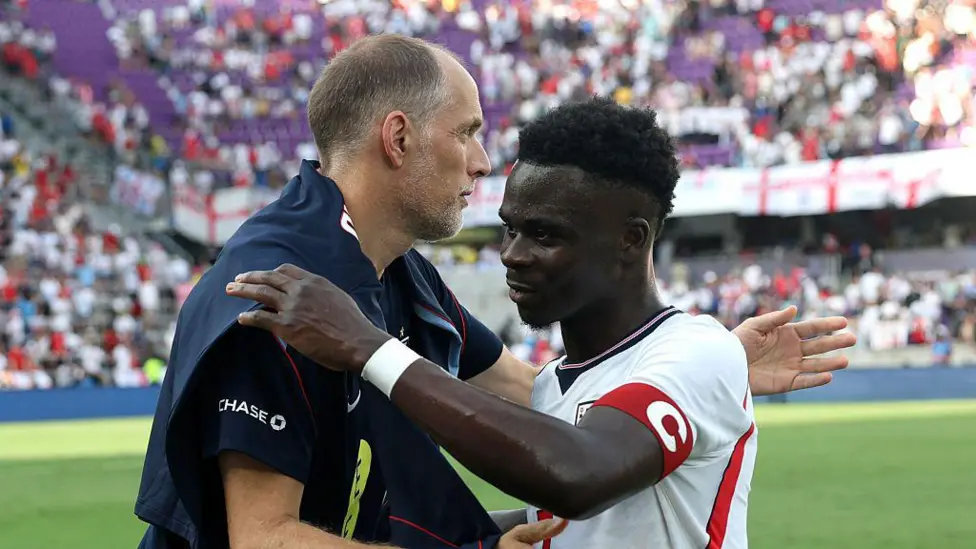
Bukayo Saka’s lingering Achilles‑tendinitis has cast doubt over his availability for England’s opening World Cup match against Ghana, with head coach Thomas Tuchel indicating the Arsenal winger is unlikely to start but may feature later in the tournament. The development underscores the delicate balance between managing player fitness and maximizing England’s attacking potency on the global stage.
Saka’s injury, described as a persistent Achilles‑tendinitis issue that has lingered since the end of the domestic season, has not worsened, but Tuchel is opting for a cautious approach. The England manager confirmed that Saka is expected to be available for the final group game against Panama on 27 June, suggesting a strategic plan to preserve the winger for the knockout stages where his creativity could be decisive.
From an Arsenal perspective, manager Mikel Arteta has kept Saka’s condition private, though the club’s medical staff have deemed him fit enough to start regularly during the title‑run‑in. This contrast between club confidence and international caution highlights the differing risk tolerances: Arsenal seeks to maintain league momentum, while England prioritizes tournament longevity.
Tuchel’s rationale is clear: Saka has been identified as a “crucial asset” for England’s knockout‑round aspirations. By managing his minutes now, the coach aims to ensure the winger is at full fitness for the high‑stakes matches that could determine England’s World Cup fate. The approach mirrors the broader trend in modern international football, where star players are often rested in early group games to safeguard them for later stages.
For England’s attacking lineup, Saka’s potential absence from the starting XI against Ghana opens opportunities for other wingers or attacking midfielders to step up. His earlier substitute appearance in the 4‑2 win over Croatia, where he provided an assist to Marcus Rashford, demonstrated his immediate impact even with limited minutes. Should he start against Panama, the timing would allow him to build match sharpness before the knockout phase.
The situation also serves as a reminder of the importance of squad depth. England’s bench includes options such as Phil Foden, Jude Bellingham and emerging talents who can maintain attacking threat while Saka recovers. Tuchel’s willingness to rotate reflects a mature squad management philosophy that values long‑term success over short‑term guarantees.
As the World Cup unfolds, all eyes will be on how England navigates the group stage without relying heavily on Saka from the outset. If the Three Lions advance to the knockout rounds, the winger’s return could provide the spark needed to break down resolute defences. Conversely, any setback in his recovery would test the team’s adaptability and depth.
Image Source: MYJOYONLINE