BECE 2026: Five Steps JHS Graduates Should Take Before Entering Senior High School
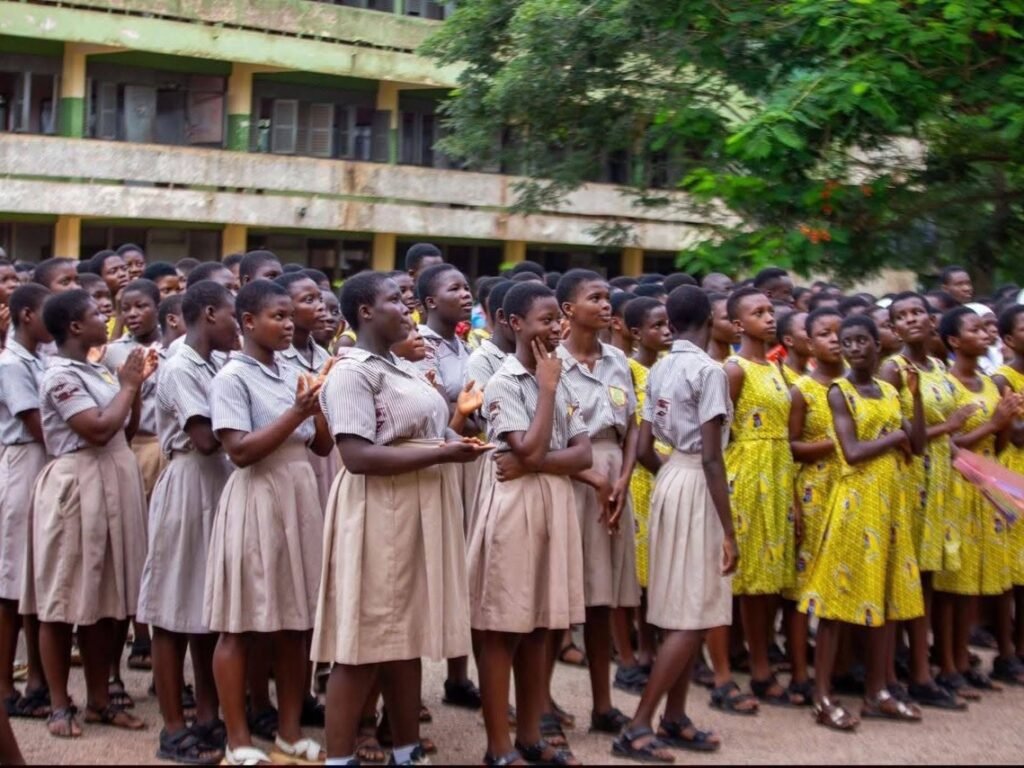
The weeks between sitting the Basic Education Certificate Examination and receiving placement into Senior High School can feel like a void. For thousands of Junior High School graduates across Ghana, the wait is often consumed by anxiety about which school they will attend and what programme they will study. Yet education experts say this period is one of the most productive windows in a young person’s academic life, if used deliberately.
As the 2026 BECE results approach, here are five substantive steps that graduates and their families should consider before the next chapter begins.
Explore the Full Range of SHS Programmes
Ghana’s educational landscape has expanded well beyond the traditional dominance of Science and General Arts. Programmes in Visual Arts, Business, Technical and Vocational Education, and Home Economics now lead directly to some of the country’s fastest-growing sectors. The creative economy alone is generating roles in fashion design, digital illustration, and event production, while technical fields such as welding, fabrication, and electronics repair are in high demand.
Families who limit their choices to a narrow band of programmes risk overlooking opportunities that may be a better fit for a student’s aptitude and the realities of the job market. Current students and recent graduates are often the best source of candid information about what each programme actually involves.
Build Digital Literacy
As education becomes increasingly technology-driven, the ability to type efficiently, conduct online research safely, and navigate digital learning platforms is no longer optional. Free resources such as Google Digital Skills for Africa and online typing tutors can make a measurable difference in a student’s readiness for SHS, where assignments and research increasingly require digital competence. Community computer centres, libraries, and church facilities offer access for students without personal devices.
This is an area where the broader push for digital transformation in education intersects with individual preparedness. The Accra Institute of Technology’s recent call for students to become ‘sovereign learners’ in the AI era underscores how central digital skills have become at every level of Ghanaian education.
Develop a Reading Habit
Reading remains one of the most reliable ways to sharpen comprehension, expand vocabulary, and strengthen critical thinking. Education specialists recommend at least twenty pages a day of any material that holds a student’s interest, whether fiction, biography, science writing, or current affairs. The Ghana Library Authority operates branches across the country, and platforms such as Project Gutenberg offer free access to thousands of titles online.
Learn a Practical Skill
The break before SHS is also an opportunity to acquire hands-on experience in a trade or craft. Tailoring, carpentry, phone repair, beekeeping, and traditional crafts all build problem-solving ability, patience, and technical confidence that complement classroom learning. Even a short apprenticeship or observation period can provide valuable exposure and a sense of accomplishment that carries into the next stage of education.
Have Honest Conversations About the Future
Parents and guardians play a critical role during this transition. Experts urge families to engage in frank discussions about educational goals and expectations before BECE results are released. The evidence is consistent: a student’s commitment and performance matter far more than the name of the institution they attend. Guidance from community members who have navigated different educational pathways can help set realistic and motivating expectations.
Preparing for What Comes Next
While awaiting results, students can check their BECE outcomes by dialling *713*3998# or visiting the WAEC results portal at eresults.waecgh.org. But the most important preparation happens not on results day but in the weeks before it. Building skills, reading widely, exploring programme options, and talking openly about the future are actions that pay dividends well beyond Senior High School.
Image Source: MYJOYONLINE