GHS Staff Urge Fair Treatment for Persons with Disabilities
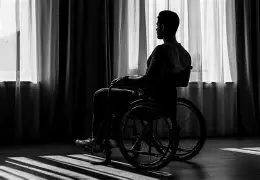
Acting Deputy Director‑General of the Ghana Health Service, Dr Caroline Reindorf Amissah, urged health staff on 3 December 2024 to treat every client with dignity, stressing inclusive care for persons with disabilities (PWDs) during the International Day of Persons with Disability commemoration.
The event, co‑hosted by the Ghana Federation of Disability Organisations, the National Council on PWDs, the World Health Organization and Sightsavers, carried the theme “Building Inclusive Health Service Delivery for Social Progress”. Dr Amissah highlighted persistent attitudinal barriers among health workers that impede equitable care.
She warned that health workers often become “the major culprits”, aware of the challenges faced by PWDs yet failing to provide the respectful treatment they preach. “These negative perceptions deepen the stigma that people with disabilities encounter when seeking health services,” she said.
“Some of the barriers are our favourite stigma and discrimination, so we refuse to acknowledge or accept persons with disabilities as part of us,” Dr Amissah noted, adding that staff rarely consider disability when triaging patients in crowded facilities.
The 2023 Disability‑Inclusive Health Landscape Review conducted by the GHS Health Promotion Division identified knowledge gaps, limited understanding of disability among staff, and a shortage of sign‑language interpreters as key obstacles. Financing constraints also limit access to assistive devices.
In response, GHS has drafted guidelines aimed at removing physical, communication and attitudinal barriers. The service has begun training frontline staff and launched an e‑learning course on disability inclusion, though Dr Amissah admitted, “We have trained some frontline staff, but this is woefully inadequate and many do not register for the programmes”.
She called for a dedicated budget line for disability inclusion, emphasizing that such measures are not charity. “Disability inclusion, for me, is not a charity at all. We could all be disabled at any point in our lives,” she asserted.
Disability Inclusion Advisor Dorcas Efe Mensah, speaking on behalf of the GHS, reminded that health is a right, not a privilege, and that the system’s strength is judged by how well it serves the most marginalised. She added that inclusive solutions improve emergency response, allowing faster, efficient care for everyone.
Key interventions highlighted include the introduction of disability decks and the integration of sign‑language training into nursing curricula, ensuring health professionals can assist in real time and prevent delays that could cost lives.
Executive Secretary of the National Council on PWDs, Edwin Kweku Andoh, warned that many facilities still lack accessibility, PWDs remain excluded from health policy discussions, and stigma persists. He urged stronger disability‑inclusive guidelines and expanded training for health workers.
The GHS pledges to intensify capacity‑building efforts, secure funding for inclusion, and monitor progress, signaling a shift toward a more equitable health system for all Ghanaians.
Image Source: MYJOYONLINE